Article
Field notes from the operating side



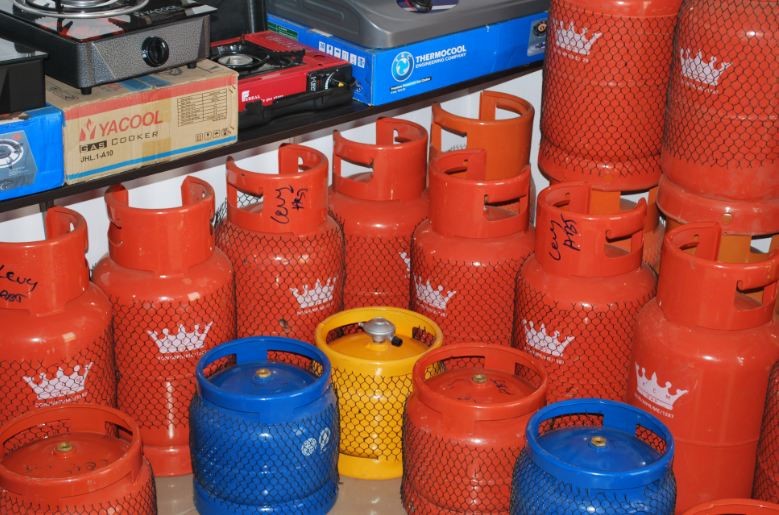
The leading fuel retailing business in Nigeria, Enyo Retail and Supply, has launched its Liquified Petroleum Gas (LPG) expansion agenda to improve gas use in Nigeria in an attempt to provide its customers with cleaner and safer energy alternatives.
The expansion would entail key measures, such as investments in an LPG filling plant, the opening of its first Auto-gas filling station, a superior mobile app for Liquefied Gas and the sale to its customers of a wide range of gas-based goods and services. In addition, the expansion would allow the business to provide its customers with friendliness. Moreover, the company has recently introduced its technologically improved LPG composite cylinders that are compatible with its expansion project. The cylinders are suitable, weighing fifty per cent less than standard steel cylinders, for domestic and industrial use. In recent weeks, after a sustained rally in the spot LNG price, Egyptian LNG exports from the Shell-operated Idku factory, the country's only operational LNG facility, have been coming thick and fast.
As spot LNG prices dropped to record lows, Egyptian LNG exports ground to a near halt in late March, with the JKM spot Asian LNG price dropping to $1,825/MMBtu towards the end of April.
After the shareholders of the 5 million mt/year Damietta LNG facility reached a new agreement to allow the plant to restart in Q1 2021, Egypt is also set for a long-awaited boost to its LNG market.
In recent weeks, after a sustained rally in the spot LNG price, Egyptian LNG exports from the Shell-operated Idku factory, the country's only operational LNG facility, have been coming thick and fast.
As spot LNG prices dropped to record lows, Egyptian LNG exports ground to a near halt in late March, with the JKM spot Asian LNG price dropping to $1,825/MMBtu towards the end of April.
After the shareholders of the 5 million mt/year Damietta LNG facility reached a new agreement to allow the plant to restart in Q1 2021, Egypt is also set for a long-awaited boost to its LNG market.
 Reuters reported that as energy providers brace for what could be the largest winter storm in the region in years, U.S. Northeast power and natural gas prices soared to their highest level in almost a year on Wednesday.
Electric and gas prices usually soar during extremely cold weather due to the fact that Most Northeastern homes and businesses use gas for heating, and gas-fired power plants generate much of the region's electricity.
Reuters reported that as energy providers brace for what could be the largest winter storm in the region in years, U.S. Northeast power and natural gas prices soared to their highest level in almost a year on Wednesday.
Electric and gas prices usually soar during extremely cold weather due to the fact that Most Northeastern homes and businesses use gas for heating, and gas-fired power plants generate much of the region's electricity.



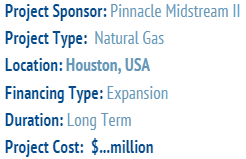
 P&GJ reported on Tuesday in line with Pinnacle Midstream II that Pinnacle signed with DoublePoint Energy a 15-year gas storage, processing and purchase agreement that anchors Pinnacle's greenfield development of a new natural gas collection and compression system in the Midland Basin.
In the second quarter of 2021, the Pinnacle Dos Picos Gathering System is scheduled to come into operation and supports the comprehensive construction of multiwell drills taking place in the Midland Basin.
Initially, the system will serve Midland, Martin and Glasscock counties, Pinnacle said, as producer activity increases, with potential expansions expected.
P&GJ reported on Tuesday in line with Pinnacle Midstream II that Pinnacle signed with DoublePoint Energy a 15-year gas storage, processing and purchase agreement that anchors Pinnacle's greenfield development of a new natural gas collection and compression system in the Midland Basin.
In the second quarter of 2021, the Pinnacle Dos Picos Gathering System is scheduled to come into operation and supports the comprehensive construction of multiwell drills taking place in the Midland Basin.
Initially, the system will serve Midland, Martin and Glasscock counties, Pinnacle said, as producer activity increases, with potential expansions expected.
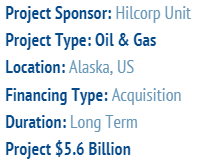
 Reuters reported on Friday that private-owned Hilcorp Energy said its subsidiary completed a $5.6 billion acquisition of the company of BP Plc in Alaska, taking over the area in which the British oil major had worked for 60 years.
Hilcorp's Harvest Alask obtained approval on Dec. 14 from the Alaska Regulatory Commission to acquire BP's approximately 49 percent stake in the Trans-Alaska Pipeline System (TAPS) and 49 percent of Alyeska Service Company and other midstream interests in Alaska.
BP decided to sell all its Alaskan assets to Hilcorp Energy last year, including shares in the most productive oil field in U.S. history at Prudhoe Bay, and the Trans Alaska Pipeline.
Reuters reported on Friday that private-owned Hilcorp Energy said its subsidiary completed a $5.6 billion acquisition of the company of BP Plc in Alaska, taking over the area in which the British oil major had worked for 60 years.
Hilcorp's Harvest Alask obtained approval on Dec. 14 from the Alaska Regulatory Commission to acquire BP's approximately 49 percent stake in the Trans-Alaska Pipeline System (TAPS) and 49 percent of Alyeska Service Company and other midstream interests in Alaska.
BP decided to sell all its Alaskan assets to Hilcorp Energy last year, including shares in the most productive oil field in U.S. history at Prudhoe Bay, and the Trans Alaska Pipeline.
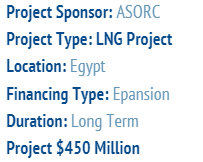
 Younm 7reported that a USD 450 million new high octane fuel plant of the Assiut Oil Refining Company (ASORC) will begin trial operations this week. The state-run facility will be completely up and running before the year is out, with a capacity of 800k tonnes a year, the sources said.
The project comes as part of government efforts to reduce Egypt's dependency on oil imports, the sources added, with an eye to achieving self-sufficiency by 2023.
During FY2022-2023, Egypt will cease importing petroleum products. This goal was previously planned to be met by Egypt by the end of this year. It is uncertain whether the proposed refining projects have been slowed down by the Covid-19 pandemic.
Younm 7reported that a USD 450 million new high octane fuel plant of the Assiut Oil Refining Company (ASORC) will begin trial operations this week. The state-run facility will be completely up and running before the year is out, with a capacity of 800k tonnes a year, the sources said.
The project comes as part of government efforts to reduce Egypt's dependency on oil imports, the sources added, with an eye to achieving self-sufficiency by 2023.
During FY2022-2023, Egypt will cease importing petroleum products. This goal was previously planned to be met by Egypt by the end of this year. It is uncertain whether the proposed refining projects have been slowed down by the Covid-19 pandemic.

 The Nigerian Content Development and Monitoring Board (NCDMB) and the Association of Petroleum Technology of Nigeria (PETAN), signed a Monday contract to support the operations of petroleum companies against the negative implications of COVID-19 pandemics and loss of contracts at a low oil price. This agreement will support operations by petrolium companies.
The Working Capital scheme has been authorised by NCDMB, headed by Chief Timipper Sylva, Minister of State for Petroleum Resources, and has been recently integrated into the Nigerian Content Investment Fund (NCI Fund)
The Nigerian Content Development and Monitoring Board (NCDMB) and the Association of Petroleum Technology of Nigeria (PETAN), signed a Monday contract to support the operations of petroleum companies against the negative implications of COVID-19 pandemics and loss of contracts at a low oil price. This agreement will support operations by petrolium companies.
The Working Capital scheme has been authorised by NCDMB, headed by Chief Timipper Sylva, Minister of State for Petroleum Resources, and has been recently integrated into the Nigerian Content Investment Fund (NCI Fund)
More from Insights
Related notes