Article
Field notes from the operating side
What is LPG?
LPG (or LP Gas) stands for Liquefied Petroleum Gas or Liquid Petroleum Gas better known as cooking gas in Nigeria and some other African Countries.
It is a mixture of light gaseous hydrocarbons (e.g. propane, butane) which are gaseous at normal ambient temperature and atmospheric pressure, but made liquid by application of moderate pressure.
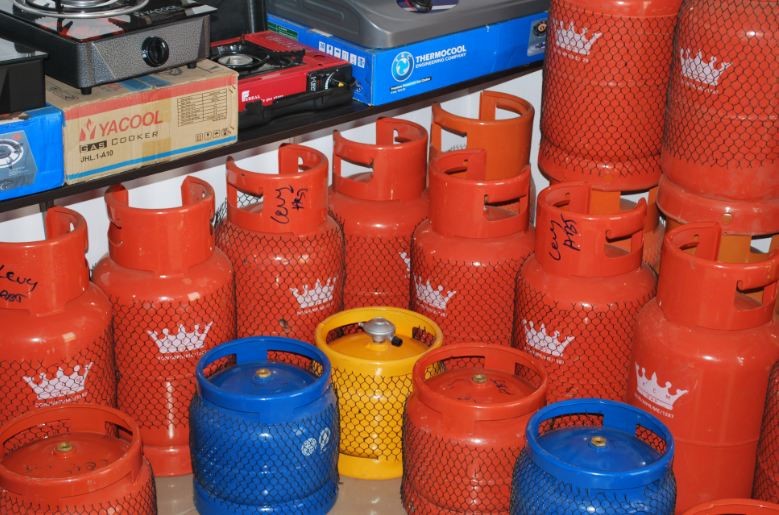
At normal temperatures and pressures, LPG will evaporate, so it is supplied in pressurised steel cylinders. To allow for thermal expansion, these cylinders are typically filled to between 80% and 85% of their capacity.
The major components of LPG are propane and butane. Depending on factors such as weather, LPG can either be just propane, butane or a mixture of both.
Propane has a lower boiling point than butane; it converts liquid to a gas in very cold conditions, down to -42 °C.When stored as a liquid in a tank, it exerts a greater pressure than Butane at the same temperature.Its ability to operate in low temperatures makes it the most suitable LPG in Europe and North America.
Butane on the other hand has a higher boiling point than Propane; it converts from liquid to a gas even in warmer climates, when stored as a liquid in a tank, it exerts a Lower pressure than Propane at the same temperature. Its ability to operate in low temperatures makes it the most suitable LPG in Africa
In Nigeria for example, the approved LPG specification as stated by the Department of Petroleum Resources (DPR) is a mixture of 85% butane and at most 15% propane. Any LPG that is above 85% in butane is deemed ok but if the propane level is above 15%, it is considered not good for Nigerian domestic usage.
Australia for example, refers to LPG as propane as that is usually the only component gas.
Where Does LPG Come From?
· LPG comes from drilling oil and gas wells.
· LPG is found naturally in combination with other hydrocarbons, typically crude oil and natural gas.
· LPG is produced during natural gas processing and oil refining.
· It is isolated, liquefied through pressurization and stored in pressure vessels.
What is LPG used for?
There are various applications of LPG.Some of these include
· Household cooking
· Household heating
· Hot water
· Transport (Autogas)
· Refrigerant
· Outdoor activities (camping, recreational vehicles)
· Etc.
More from Insights
Related notes