Article
Field notes from the operating side
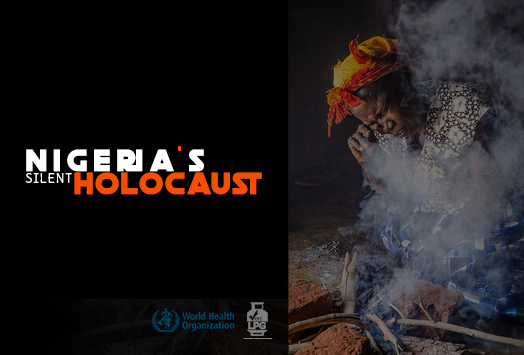
Still reputed as one of the most gruesome and cruel periods in the history of mankind, the Holocaust (1933-1945) which occurred during the WWII, was a systematic, bureaucratic, state-sponsored persecution and murder of about six million Jews (and other perceived enemies of the state) by the Nazi regime and its collaborators. Gas-chambers gained their global infamy for their extensive use during the Holocaust, where poisonous gases were injected into rooms filled with humans, leading to deaths in record numbers of about 6000 people per day!
Nigeria is Africa’s biggest economy, and also has the largest population. Every day, millions of Nigerians especially women spend hours preparing meals for their households, restaurants, events and organizations. With a larger percentage of the nation’s population living in less developed communities, the most readily available hence commonly used source of fuel for cooking is firewood. According to the latest WHO reports, 67% of Nigerians suffer from indoor air pollution (IAP), with about 95,300 deaths per year. Another way to relate this is to assume that 2,575 people die per state every year due to IAP. Besides the loss of human lives, public health challenges such as pneumonia in children, asthma, tuberculosis, upper airway cancer, cataract etc., are prevalent due to IAP. As disastrous as this is, it is yet largely unnoticed.
What causes this IAP? The major source of indoor air pollution is cooking. With millions of Nigerians still having to use dirty sources of fuel such as firewood, kerosene, and in some cases charcoal, paper, pieces of cloth etc., very toxic fumes are released in the process which lead to respiratory problems. A report on IDP camps in Nigeria revealed that due to the dire circumstances in the camps, many women have to walk long distances in the bushes or forests in search of cow dung, which they use as cooking fuel. Cow dung! Asides the numerous safety risks they face (rape, kidnap, wild animals), their food is always contaminated with the stench of dung. Can youimagine taking a spoon of rice and cow dung whist eating?
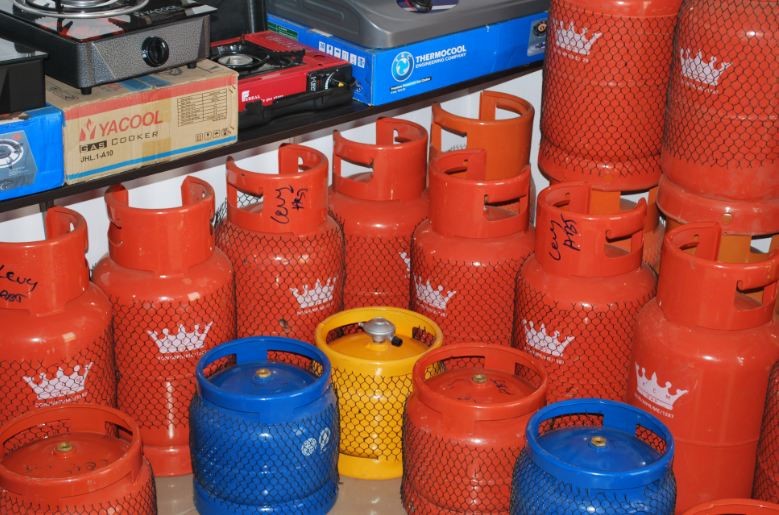
Lack of access to clean energy can be directly linked to several global challenges today – climate change, deforestation, child abuse, human trafficking, malnutrition, poor health, etc. There is an urgent need for a transition from dirty fuels such as firewood, coal, kerosene, etc. used in cooking, to cleaner fuels like liquefied petroleum gas.
At Kiakia gas, our vision is to bridge the energy access gap from traditional forms of energy to renewable forms of energy, especially in Africa. Over the last three years, we have demonstrated our commitment to offering outstanding, quick & safe delivery of liquefied petroleum gas (LPG) and its related products to Nigerian homes and industries. We empower businesses in the lpg sector, sensitize and encourage the adoption of proper energy policies and create awareness on economic opportunities available in the supply of clean energy in Nigeria with initiatives such as Gaspreneur, #VoteLPG, alongside our pioneer online gas delivery model which is built around providing solutions to ensure that energy is available to last mile consumers from urban areas to off-grid areas.
As we mark the International Day of Commemoration in Memory of the Victims of the Holocaust, we solidify our resolve to put an end to Nigeria’s silent holocaust caused by indoor air pollution, by providing cleaner energy alternatives for cooking such as LPG, especially for our women and children to live healthy and thrive.
#January27 #VoteLPG #Holocaust
To learn more about our work, visit kiakiagas.com
Or check out our blog www.kiakiagas.com/blog
Summary: Damilola Kuteyi
Cover Design: Afotan Daniel
More from Insights
Related notes