Week 101: Natural Gas Report



 According to Iranian news agencies, a gas condensate pipeline at a gas refinery in southwestern Iran exploded on Thursday after being hit by an excavator, but no one was hurt and the line was shut down.
There were no injuries, and rescue and operations personnel are on the scene, and the line has been cut off. A similar report was published by the semi-official Fars news agency.
According to the semi-official YJC news agency, Mohammad Asgari, a spokesman for the National Iranian Gas Company (NIGC), the accident had no impact on gas production. Iran has the world's second-largest natural gas reserves, but production has lagged behind demand for heavily subsidized gas, owing in part to a lack of investment and foreign partners such as the United States.
According to Iranian news agencies, a gas condensate pipeline at a gas refinery in southwestern Iran exploded on Thursday after being hit by an excavator, but no one was hurt and the line was shut down.
There were no injuries, and rescue and operations personnel are on the scene, and the line has been cut off. A similar report was published by the semi-official Fars news agency.
According to the semi-official YJC news agency, Mohammad Asgari, a spokesman for the National Iranian Gas Company (NIGC), the accident had no impact on gas production. Iran has the world's second-largest natural gas reserves, but production has lagged behind demand for heavily subsidized gas, owing in part to a lack of investment and foreign partners such as the United States.
 According to the US Energy Information Administration, dry natural gas production in the United States will rise from 95.1 billion cubic feet per day (Bcf/d) in October 2021 to 97.5 Bcf/d in December 2022, a 2.4 Bcf/d increase (2.5 per cent).
If realized, the forecast production level for December 2022 will surpass the previous high of 97.2 Bcf/d set in November 2019. Before COVID-19 was declared a pandemic, and before COVID-19-related declines in demand resulted in production declines to a low of 87.3 Bcf/d in May 2020.
The November 2019 record was set. Since October 2020, dry natural gas production has been steadily increasing. Except for February, when a winter storm severely impacted oil and natural gas production in Texas, natural gas production remained above 92.0 Bcf/d in 2021.
According to the US Energy Information Administration, dry natural gas production in the United States will rise from 95.1 billion cubic feet per day (Bcf/d) in October 2021 to 97.5 Bcf/d in December 2022, a 2.4 Bcf/d increase (2.5 per cent).
If realized, the forecast production level for December 2022 will surpass the previous high of 97.2 Bcf/d set in November 2019. Before COVID-19 was declared a pandemic, and before COVID-19-related declines in demand resulted in production declines to a low of 87.3 Bcf/d in May 2020.
The November 2019 record was set. Since October 2020, dry natural gas production has been steadily increasing. Except for February, when a winter storm severely impacted oil and natural gas production in Texas, natural gas production remained above 92.0 Bcf/d in 2021.

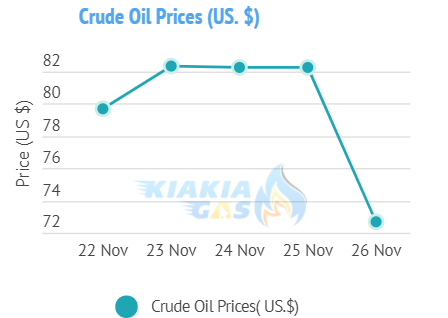
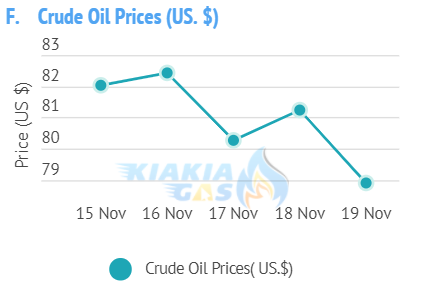
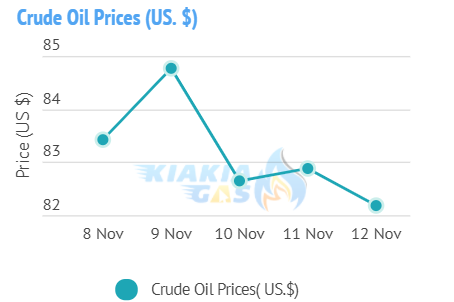
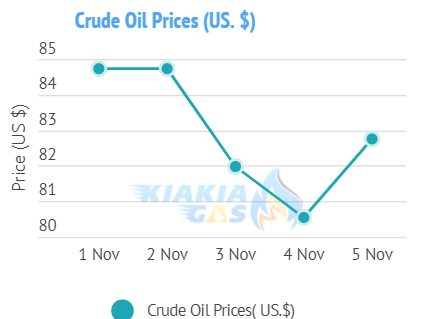
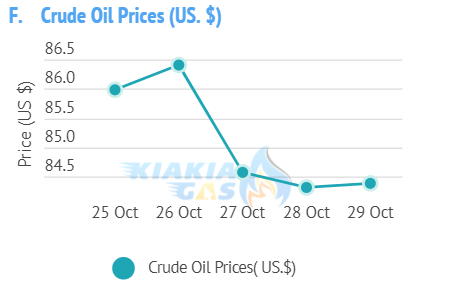
 Oil prices sank 3% to below $80 a barrel on Friday, as rising COVID-19 cases in Europe slowed the economic recovery, while investors considered the possibility of big economies releasing oil reserves to lower prices. Brent futures slid $2.35, or 2.9 percent, to $78.89 a barrel in January.
On its penultimate day as the front-month, U.S. West Texas Intermediate (WTI) crude slid $2.91, or 3.6 percent, to $76.10. WTI was down around $2.65, or 3.4 percent, to $75.78 in January.
This will shortly be the US front-month. For the first time since March 2020, both benchmarks fell for the fourth week in a row.
Oil prices sank 3% to below $80 a barrel on Friday, as rising COVID-19 cases in Europe slowed the economic recovery, while investors considered the possibility of big economies releasing oil reserves to lower prices. Brent futures slid $2.35, or 2.9 percent, to $78.89 a barrel in January.
On its penultimate day as the front-month, U.S. West Texas Intermediate (WTI) crude slid $2.91, or 3.6 percent, to $76.10. WTI was down around $2.65, or 3.4 percent, to $75.78 in January.
This will shortly be the US front-month. For the first time since March 2020, both benchmarks fell for the fourth week in a row.

 Following a competitive international tender process, Excelerate and Petróleo Brasileiro S.A. (Petrobras) signed the lease contract for TR-BA on September 28. Excelerate Energy Comercializadora de Gás Natural Ltda., Excelerate's wholly-owned subsidiary, expects to sell natural gas to a diverse portfolio of customers in this newly opened market.
Following the success of the Moheshkhali Floating LNG Terminal in Bangladesh, Excelerate's streamlined terminal operations are the latest example of the Excelerate Flexible Integrated Terminal (E-FIT) offering.
Excelerate has been providing regasification services to Petrobras' LNG terminals in Bahia, Guanabara Bay, and Pecém since 2012. At the Guanabara Bay LNG Regasification Terminal in 2020, the company's FSRU Experience set an industry record for send-out capacity, reaching 1.06 billion ft
Following a competitive international tender process, Excelerate and Petróleo Brasileiro S.A. (Petrobras) signed the lease contract for TR-BA on September 28. Excelerate Energy Comercializadora de Gás Natural Ltda., Excelerate's wholly-owned subsidiary, expects to sell natural gas to a diverse portfolio of customers in this newly opened market.
Following the success of the Moheshkhali Floating LNG Terminal in Bangladesh, Excelerate's streamlined terminal operations are the latest example of the Excelerate Flexible Integrated Terminal (E-FIT) offering.
Excelerate has been providing regasification services to Petrobras' LNG terminals in Bahia, Guanabara Bay, and Pecém since 2012. At the Guanabara Bay LNG Regasification Terminal in 2020, the company's FSRU Experience set an industry record for send-out capacity, reaching 1.06 billion ft
 According to GlobalData, natural gas production from the Marcellus and Utica shale plays in the United States will surpass 42 billion ft3/d by 2025, assuming gas prices remain above US$3.5 per million Btu.
Despite the fact that North America is the largest gas producer and supplies roughly 40% of total natural gas production in the US, no new pipelines are expected to come online after 2023, according to the leading data and analytics company.
"Environmental opposition in Pennsylvania, home to the majority of Appalachia basin production, created an onerous and exhausting approval process for pipeline operators," says Svetlana Doh, Senior Upstream Oil & Gas Analyst at GlobalData. Pipeline projects on the Atlantic Coast and in the PennEast have been canceled due to environmental concerns.
According to GlobalData, natural gas production from the Marcellus and Utica shale plays in the United States will surpass 42 billion ft3/d by 2025, assuming gas prices remain above US$3.5 per million Btu.
Despite the fact that North America is the largest gas producer and supplies roughly 40% of total natural gas production in the US, no new pipelines are expected to come online after 2023, according to the leading data and analytics company.
"Environmental opposition in Pennsylvania, home to the majority of Appalachia basin production, created an onerous and exhausting approval process for pipeline operators," says Svetlana Doh, Senior Upstream Oil & Gas Analyst at GlobalData. Pipeline projects on the Atlantic Coast and in the PennEast have been canceled due to environmental concerns.
 Sembcorp Marine Ltd has signed a contract with Bechtel Overseas Corporation (Bechtel) for module assembly of the second LNG train to be built at the Pluto LNG Project through its wholly-owned subsidiary, Sembcorp Marine Offshore Platforms Pte. Ltd. (SMOP).
Pluto Train 2 will be completed in 2024, and Bechtel and SMOP will form an integrated management team to oversee the module assembly program.
Pluto LNG is a single onshore LNG processing train that processes gas from the Pluto and Xena offshore fields and is located on the Burrup Peninsula near Karratha in Western Australia's northwest. Since its inception in 2012, Woodside has operated Pluto LNG in a safe and reliable manner. Pluto Train 2 will increase Pluto's current processing capacity by about a third.
Sembcorp Marine Ltd has signed a contract with Bechtel Overseas Corporation (Bechtel) for module assembly of the second LNG train to be built at the Pluto LNG Project through its wholly-owned subsidiary, Sembcorp Marine Offshore Platforms Pte. Ltd. (SMOP).
Pluto Train 2 will be completed in 2024, and Bechtel and SMOP will form an integrated management team to oversee the module assembly program.
Pluto LNG is a single onshore LNG processing train that processes gas from the Pluto and Xena offshore fields and is located on the Burrup Peninsula near Karratha in Western Australia's northwest. Since its inception in 2012, Woodside has operated Pluto LNG in a safe and reliable manner. Pluto Train 2 will increase Pluto's current processing capacity by about a third.

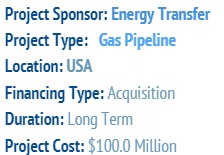
 Energy Transfer's midstream and gas transportation systems will be significantly strengthened by the addition of Enable's natural gas gathering and processing assets in Oklahoma's Anadarko Basin.
Energy Transfer now owns and operates more than 114,000 miles of pipelines and related assets in all of the major U.S. producing regions and markets, spanning 41 states, solidifying its midstream leadership position. The transaction is immediately accretive to Energy Transfer and contributes to the company's deleveraging efforts.
It also includes significant cash flows from fixed-fee contracts that are based on fees. In addition, excluding potential financial and commercial synergies, the combined operations of the two companies are expected to generate annual run-rate cost and efficiency synergies of more than $100 million.
Energy Transfer's midstream and gas transportation systems will be significantly strengthened by the addition of Enable's natural gas gathering and processing assets in Oklahoma's Anadarko Basin.
Energy Transfer now owns and operates more than 114,000 miles of pipelines and related assets in all of the major U.S. producing regions and markets, spanning 41 states, solidifying its midstream leadership position. The transaction is immediately accretive to Energy Transfer and contributes to the company's deleveraging efforts.
It also includes significant cash flows from fixed-fee contracts that are based on fees. In addition, excluding potential financial and commercial synergies, the combined operations of the two companies are expected to generate annual run-rate cost and efficiency synergies of more than $100 million.
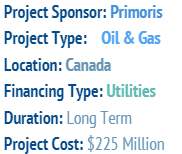
 Primoris Services Corporation has announced two new Master Service Agreements (MSA) for gas distribution projects in California, totaling more than $225 million. The Utilities Segment was in charge of securing the MSAs.
"We've had long-standing relationships with both major utilities for over forty years," Tom McCormick, President and Chief Executive Officer of Primoris, said. "These multi-year master service agreements strengthen those ties and extend our MSA portfolio through 2026," says the company.
A two-year MSA for a gas distribution program in northern California is the first agreement. A five-year MSA for a gas distribution program with a major utility customer in southern California is the second agreement.
Primoris Services Corporation has announced two new Master Service Agreements (MSA) for gas distribution projects in California, totaling more than $225 million. The Utilities Segment was in charge of securing the MSAs.
"We've had long-standing relationships with both major utilities for over forty years," Tom McCormick, President and Chief Executive Officer of Primoris, said. "These multi-year master service agreements strengthen those ties and extend our MSA portfolio through 2026," says the company.
A two-year MSA for a gas distribution program in northern California is the first agreement. A five-year MSA for a gas distribution program with a major utility customer in southern California is the second agreement.
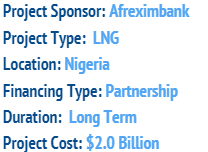
 UTM Offshore and the African Export-Import Bank (Afreximbank) have signed a memorandum of understanding (MoU) in support of a floating LNG (FLNG) project. On December 7, UTM CEO Julius Rone and Afreximbank president and chairman Benedict Oramah signed a Memorandum of Understanding, according to a company statement.
The agreement covers a $2 billion capital raise. The bank also pledged $3 billion to fund a second phase of the FLNG project. Afreximbank will support a final investment decision (FID) in the future, according to the Nigerian company.
The goal, according to the company, is to reach first LNG in 2026. The Yoho field is held by OML 104, and UTM's project is based on an FLNG vessel there. Mobil Producing Nigeria is the operator of OML 104.
UTM Offshore and the African Export-Import Bank (Afreximbank) have signed a memorandum of understanding (MoU) in support of a floating LNG (FLNG) project. On December 7, UTM CEO Julius Rone and Afreximbank president and chairman Benedict Oramah signed a Memorandum of Understanding, according to a company statement.
The agreement covers a $2 billion capital raise. The bank also pledged $3 billion to fund a second phase of the FLNG project. Afreximbank will support a final investment decision (FID) in the future, according to the Nigerian company.
The goal, according to the company, is to reach first LNG in 2026. The Yoho field is held by OML 104, and UTM's project is based on an FLNG vessel there. Mobil Producing Nigeria is the operator of OML 104.

 THE Senate Committee on Local Content threatened to sanction Saipem SPA yesterday for failing to provide evidence in connection with several petitions it had received alleging that the firm had violated the Local Content Law in the execution of the Train-7 Project. Mr. Yeon Seop Jung, Daewoo Engineering and Construction Limited's Deputy Managing Director, who had appeared in place of the company's Managing Director, was also escorted out by the committee.
The Senate's committee had invited Daewoo and Saipem's Managing Director to testify after receiving several petitions alleging violations of the Local Content Law. The Nigerian Liquefied and Natural Gas, NLNG, Company owns the Train-7 project, which is the country's largest gas project, valued at around $10 billion.
The Nigerian LPG market is the next success story of the Global LPG industry, if you need a partner with a global perspective and local expertise in the Nigerian and African space, kindly book a free session with our team of experts to help you http://www.kiakiagas.com/book-session or write us an email at advisory@kiakiagas.com or Whatsapp: +2348085269328
THE Senate Committee on Local Content threatened to sanction Saipem SPA yesterday for failing to provide evidence in connection with several petitions it had received alleging that the firm had violated the Local Content Law in the execution of the Train-7 Project. Mr. Yeon Seop Jung, Daewoo Engineering and Construction Limited's Deputy Managing Director, who had appeared in place of the company's Managing Director, was also escorted out by the committee.
The Senate's committee had invited Daewoo and Saipem's Managing Director to testify after receiving several petitions alleging violations of the Local Content Law. The Nigerian Liquefied and Natural Gas, NLNG, Company owns the Train-7 project, which is the country's largest gas project, valued at around $10 billion.
The Nigerian LPG market is the next success story of the Global LPG industry, if you need a partner with a global perspective and local expertise in the Nigerian and African space, kindly book a free session with our team of experts to help you http://www.kiakiagas.com/book-session or write us an email at advisory@kiakiagas.com or Whatsapp: +2348085269328
Week
101

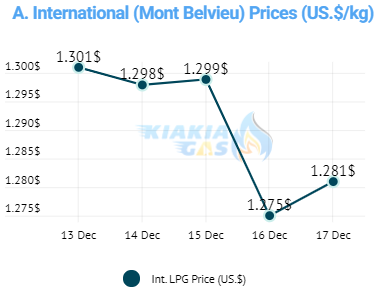
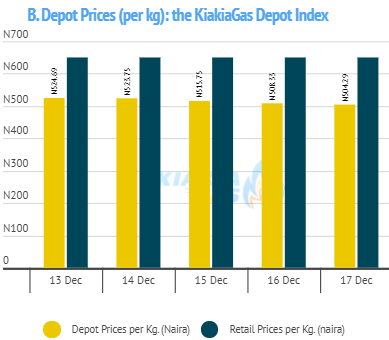
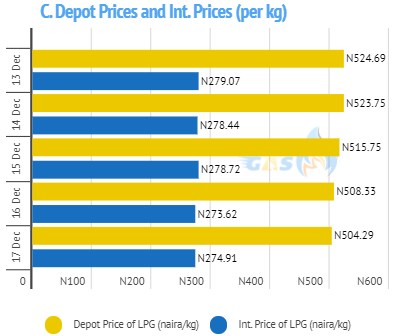
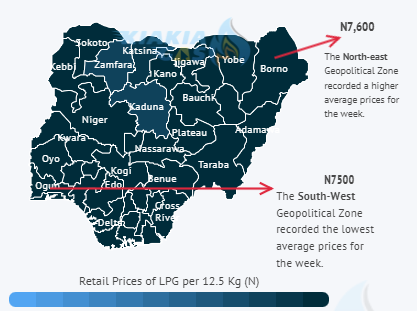
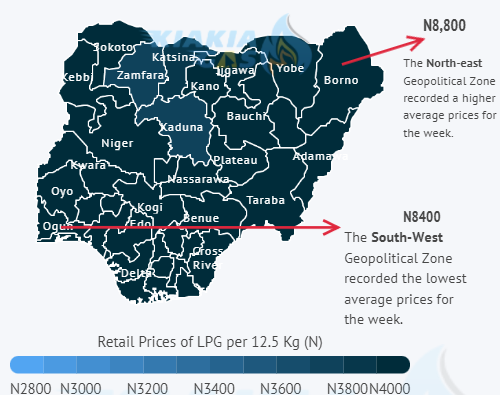
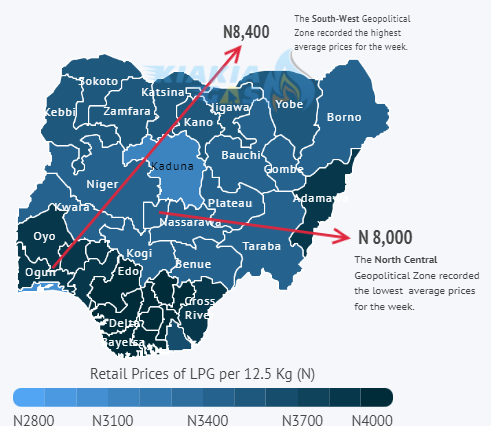
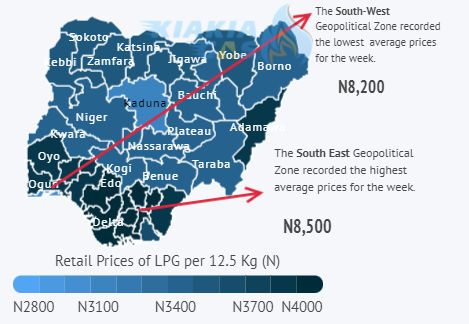
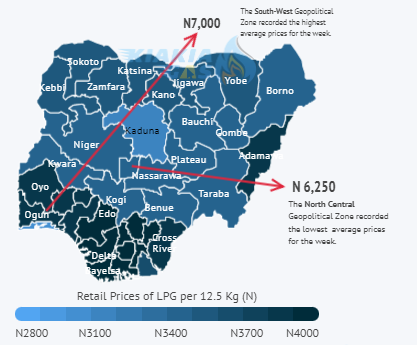
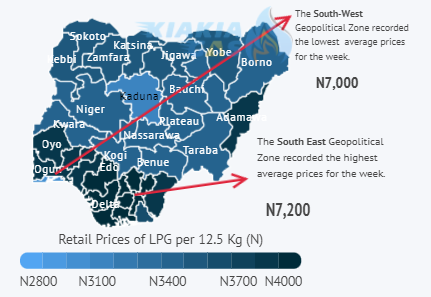
 The regional variation in LPG prices across Nigeria has been a recurring feature of the Nigerian LPG industry. The South West area has the lowest rates due to its closeness to the coastal region.



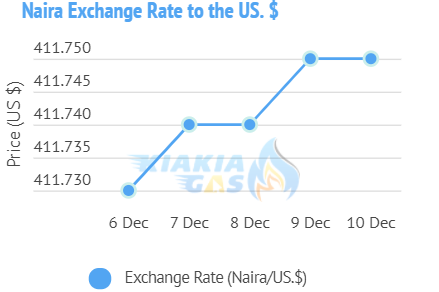
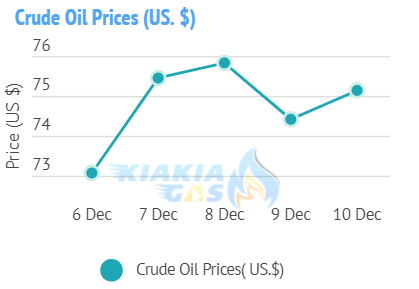
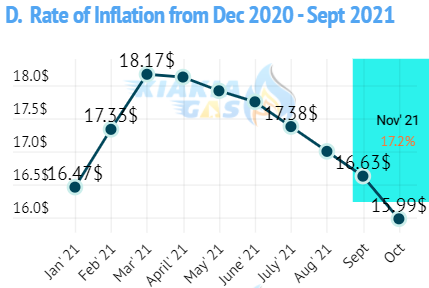
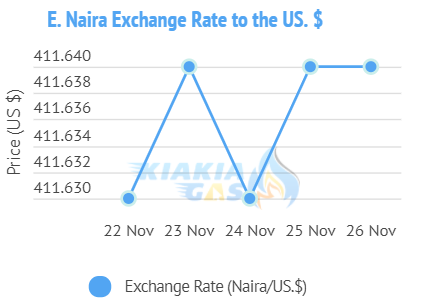
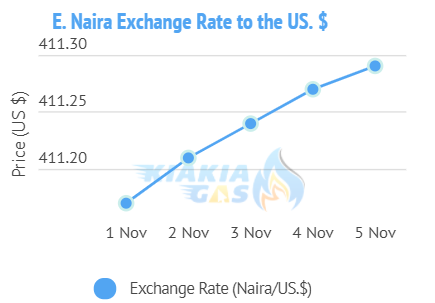
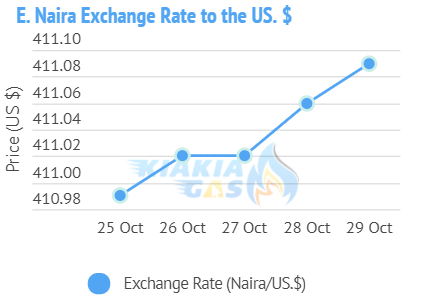
 The prices in the weeks to come may rise due to pressure on the US supply of butane coupled with the increase in the price of goods and services in the country

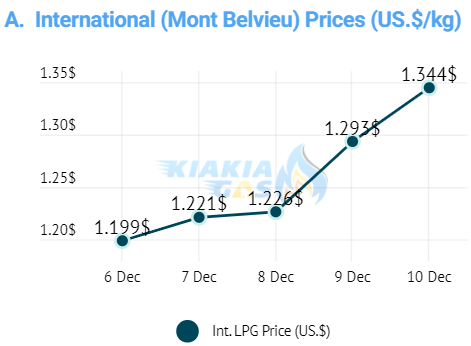
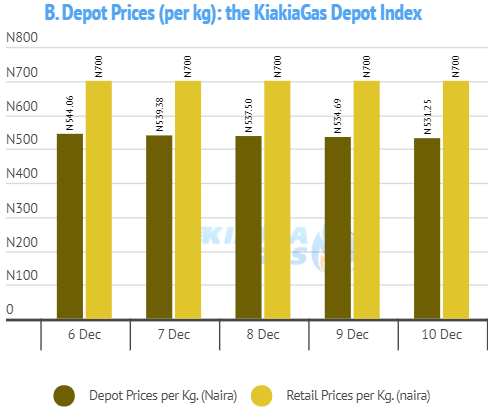
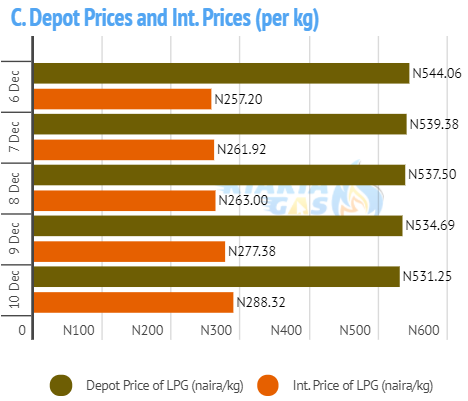
 A daily feature of the Nigerian LPG market was regional variance in LPG prices across the country. Because of the in price speculation and living style, the LPG in South-West region has the highest price.
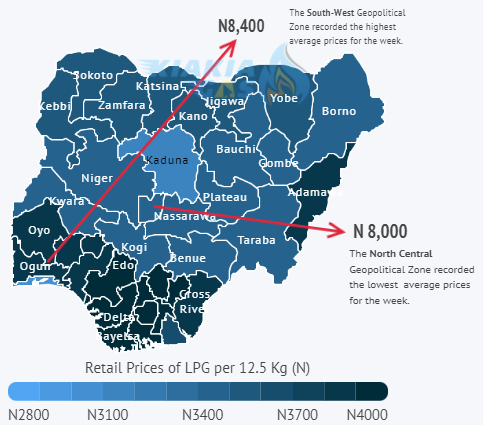





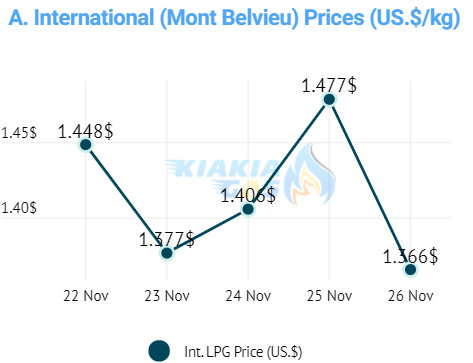
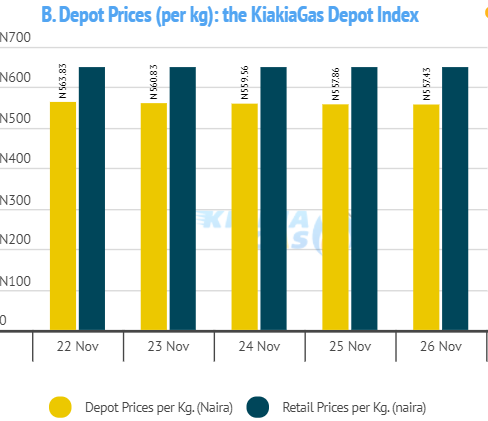
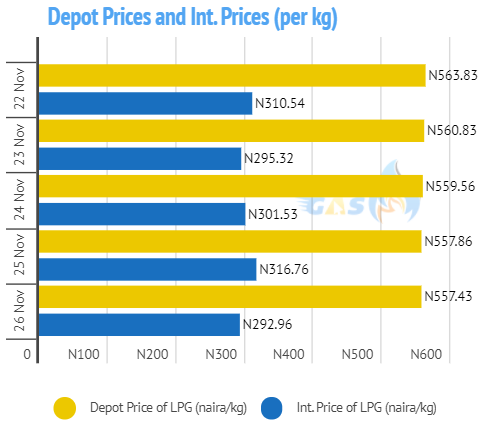
 The regional variation in LPG prices across Nigeria has been a recurring feature of the Nigerian LPG industry. The South West area has the lowest rates due to its closeness to the coastal region.


 Reducing the effect of the Covid-19 and the Omicron variant entails more campaigns and public awareness of the virus as people are easily carried away and relaxing. Vaccines for Covid-19 and Omicron variant should be distributed without much delay if available.



 It was reported by Reuters that Electric grids should enhance cold weather restrictions and communicate with the natural gas industry, according to US power reliability authorities, to avoid a repeat of the February freeze that left millions in Texas without power for days.
This year has seen multiple extreme weather events in the United States, including a February cold and record-breaking heat in the Pacific Northwest this summer.
On Tuesday, the Federal Energy Regulatory Commission (FERC) and the North American Electric Reliability Corporation (NERC) released their final assessment on the February freeze, which was also known as Winter Storm Uri.
It was reported by Reuters that Electric grids should enhance cold weather restrictions and communicate with the natural gas industry, according to US power reliability authorities, to avoid a repeat of the February freeze that left millions in Texas without power for days.
This year has seen multiple extreme weather events in the United States, including a February cold and record-breaking heat in the Pacific Northwest this summer.
On Tuesday, the Federal Energy Regulatory Commission (FERC) and the North American Electric Reliability Corporation (NERC) released their final assessment on the February freeze, which was also known as Winter Storm Uri.
 Reuters reported based on the outcomes of pipeline capacity auctions that Ukraine's state-run gas transmission system operator said on Wednesday that there was no indication that Russian energy giant Gazprom planned to send additional gas to the European Union next year.
According to Makogon Kyiv, is using electricity as a weapon against Europe. Moscow denies this and has stated numerous times that it is meeting its gas deal requirements.
"Gazprom does not aim to boost gas supply to the EU in December or the first quarter of 2022, based on auction results," the operator's head Sergiy Makogon wrote on Facebook.
Reuters reported based on the outcomes of pipeline capacity auctions that Ukraine's state-run gas transmission system operator said on Wednesday that there was no indication that Russian energy giant Gazprom planned to send additional gas to the European Union next year.
According to Makogon Kyiv, is using electricity as a weapon against Europe. Moscow denies this and has stated numerous times that it is meeting its gas deal requirements.
"Gazprom does not aim to boost gas supply to the EU in December or the first quarter of 2022, based on auction results," the operator's head Sergiy Makogon wrote on Facebook.
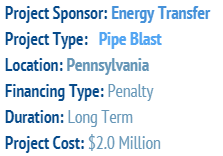
 The Pennsylvania Public Utility Commission (PUC) accepted a roughly $2 million settlement with a subsidiary of Energy Transfer LP for a pipeline explosion and fire in Western Pennsylvania in 2018.
On Sept. 10, 2018, a section of the 24-inch (61-centimeter) Revolution pipe failed after heavy rains created a landslide in Beaver County's Center Township. According to the PUC, the fire destroyed a nearby residence, damaged electricity lines, and burned many acres of surrounding woodland.
A $1 million civil penalty is included in the agreement, as well as around $975,000 in additional safety-related measures, such as improved pipeline start-up procedures. According to local media, the 40.5-mile (65-kilometer) pipeline was being put into service at the time of the event.
The Pennsylvania Public Utility Commission (PUC) accepted a roughly $2 million settlement with a subsidiary of Energy Transfer LP for a pipeline explosion and fire in Western Pennsylvania in 2018.
On Sept. 10, 2018, a section of the 24-inch (61-centimeter) Revolution pipe failed after heavy rains created a landslide in Beaver County's Center Township. According to the PUC, the fire destroyed a nearby residence, damaged electricity lines, and burned many acres of surrounding woodland.
A $1 million civil penalty is included in the agreement, as well as around $975,000 in additional safety-related measures, such as improved pipeline start-up procedures. According to local media, the 40.5-mile (65-kilometer) pipeline was being put into service at the time of the event.
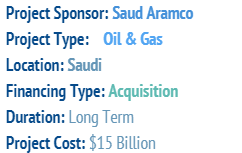
 Reliance Industries Ltd (RELI.NS) of India said on Friday that it had chosen to reconsider Saudi Aramco's (2222.SE) proposed $15 billion investment in Reliance's oil-to-chemicals (O2C) business.
The sale of a 20% share in the unit was planned for 2019, but was postponed owing to the pandemic, which caused oil prices and demand to plummet last year. Meanwhile, earlier this year, Reliance announced plans to invest 600 billion rupees ($8.08 billion) in Jamnagar to develop four "giga factories" to make solar cells and modules, energy storage batteries, fuel cells, and green hydrogen.
A large portion of the oil-to-chemicals assets are located in western India. "In light of the new circumstances, Reliance and Saudi Aramco have mutually concluded that it would be beneficial for both parties to re-evaluate the proposed investment in O2C business," Reliance stated on Friday.
Reliance Industries Ltd (RELI.NS) of India said on Friday that it had chosen to reconsider Saudi Aramco's (2222.SE) proposed $15 billion investment in Reliance's oil-to-chemicals (O2C) business.
The sale of a 20% share in the unit was planned for 2019, but was postponed owing to the pandemic, which caused oil prices and demand to plummet last year. Meanwhile, earlier this year, Reliance announced plans to invest 600 billion rupees ($8.08 billion) in Jamnagar to develop four "giga factories" to make solar cells and modules, energy storage batteries, fuel cells, and green hydrogen.
A large portion of the oil-to-chemicals assets are located in western India. "In light of the new circumstances, Reliance and Saudi Aramco have mutually concluded that it would be beneficial for both parties to re-evaluate the proposed investment in O2C business," Reliance stated on Friday.
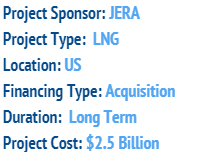
 GIP, a major independent infrastructure investor, has agreed to sell its 25.7 percent stake in Freeport LNG Development, L.P. (Freeport) to JERA Americas Inc. for US$2.5 billion, subject to customary purchase price adjustments.
Global Infrastructure Partners II, GIP's second flagship fund, purchased the stake in 2015. JERA Americas Inc. is a subsidiary of JERA Co., Inc. (JERA), the world's largest LNG importer, based in the United States.
JERA owns 25% of Freeport LNG Train 1 and acquires and transports 2.32 million tpy of LNG for usage in Japan and other LNG-importing nations through its subsidiaries. The acquisition is subject to usual regulatory clearances and closing conditions before it may be completed.
GIP, a major independent infrastructure investor, has agreed to sell its 25.7 percent stake in Freeport LNG Development, L.P. (Freeport) to JERA Americas Inc. for US$2.5 billion, subject to customary purchase price adjustments.
Global Infrastructure Partners II, GIP's second flagship fund, purchased the stake in 2015. JERA Americas Inc. is a subsidiary of JERA Co., Inc. (JERA), the world's largest LNG importer, based in the United States.
JERA owns 25% of Freeport LNG Train 1 and acquires and transports 2.32 million tpy of LNG for usage in Japan and other LNG-importing nations through its subsidiaries. The acquisition is subject to usual regulatory clearances and closing conditions before it may be completed.
 The Nigerian Upstream Petroleum Regulatory Commission (NUPRC) has announced that all approved Field Development Plans (FDPs) will now include full gas utilization and monetization programs, in order to ensure that the country benefits from the recently concluded United Nations Conference of Parties (COP 26).
Upstream investors have previously focused primarily on oil exploration and production, with little or no plans for gas development. The development has resulted in the gas sector's slow growth and retardation, with more oil companies burning gas rather than monetizing it, and the same can be said for the development of that key business capable of turning the country's fortunes around.
The Nigerian LPG market is the next success story of the Global LPG industry, if you need a partner with a global perspective and local expertise in the Nigerian and African space, kindly book a free session with our team of experts to help you
The Nigerian Upstream Petroleum Regulatory Commission (NUPRC) has announced that all approved Field Development Plans (FDPs) will now include full gas utilization and monetization programs, in order to ensure that the country benefits from the recently concluded United Nations Conference of Parties (COP 26).
Upstream investors have previously focused primarily on oil exploration and production, with little or no plans for gas development. The development has resulted in the gas sector's slow growth and retardation, with more oil companies burning gas rather than monetizing it, and the same can be said for the development of that key business capable of turning the country's fortunes around.
The Nigerian LPG market is the next success story of the Global LPG industry, if you need a partner with a global perspective and local expertise in the Nigerian and African space, kindly book a free session with our team of experts to help you 
 A daily feature of the Nigerian LPG market was regional variance in LPG prices across the country. Because of the in price speculation and living style, the LPG in South-West region has the highest price.

 Covid-19: Covid-19 causes demand for goods and services to fall due to the full or partial lock-down effect. The implication of the Covid-19 contracts to the LPG market
 Reducing the effect of the Covid-19, entails more campaign and public awareness of the virus as people are easily carried away and relaxing. Vaccines for Covid-19 should be distributed without much delay if available.
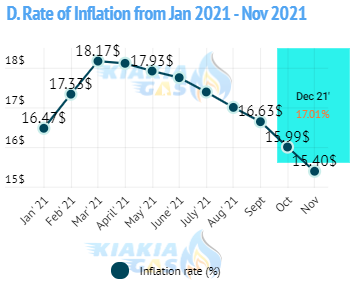
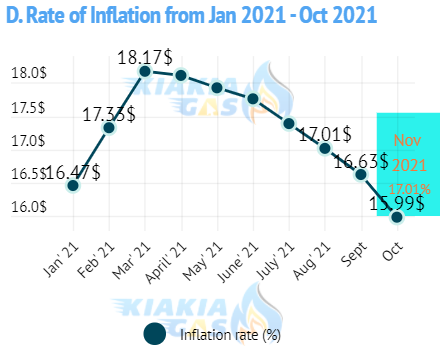
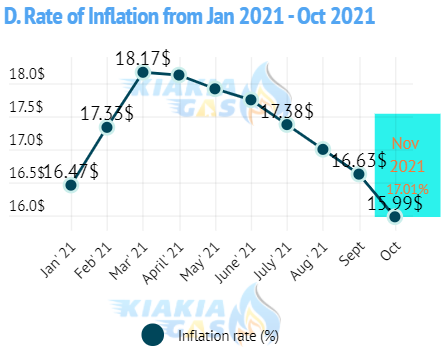
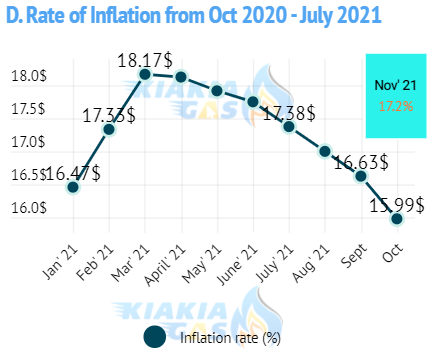
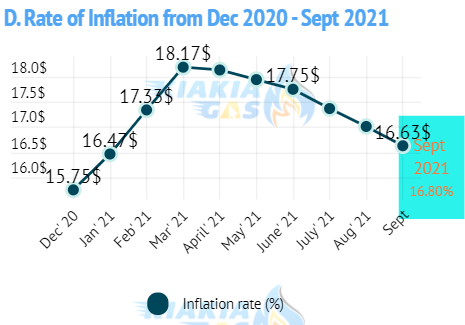
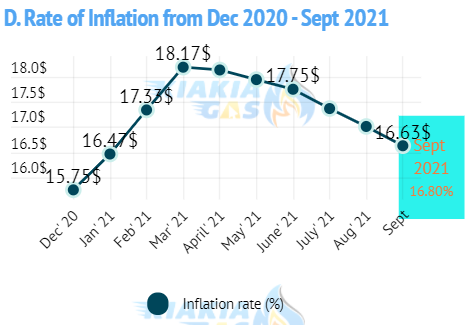
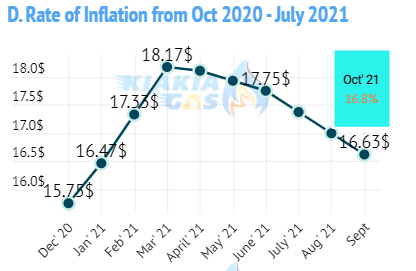
 The prices in the weeks to come may rise due to the effect of an increase in the LPG price level from depot even though the month-on-month rate of inflation is reducing.
The Nigerian LPG market is the next success story of the Global LPG industry, if you need a partner with a global perspective and local expertise in the Nigerian and African space, kindly book a free session with our team of experts to help you
The prices in the weeks to come may rise due to the effect of an increase in the LPG price level from depot even though the month-on-month rate of inflation is reducing.
The Nigerian LPG market is the next success story of the Global LPG industry, if you need a partner with a global perspective and local expertise in the Nigerian and African space, kindly book a free session with our team of experts to help you 

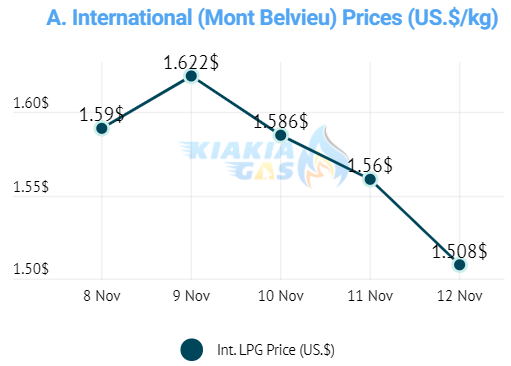
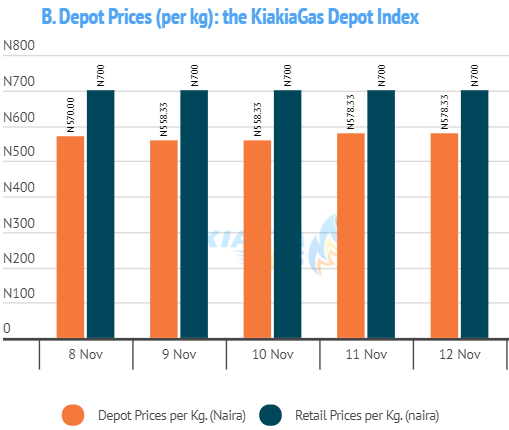
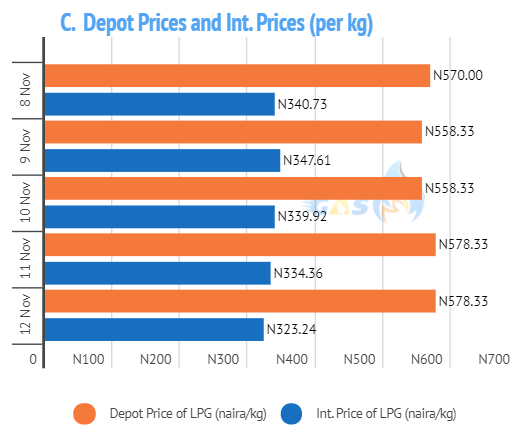
 Regional disparity in the prices of LPG across the country has been a regular feature of the Nigerian LPG market. There is a wide gap between the South East and South-west prices, this is due to its distance from the coastal region, has the highest prices due to distance from the coastal regions.



 The prices in the weeks to come may rise due to the further increase from the depot
The Nigerian LPG market is the next success story of the Global LPG industry, if you need a partner with a global perspective and local expertise in the Nigerian and African space, kindly book a free session with our team of experts to help you
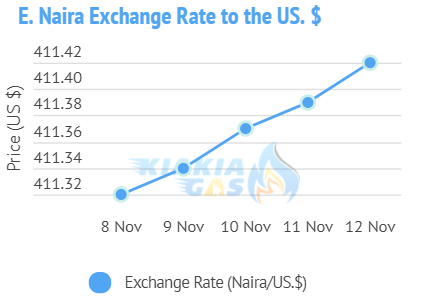
The prices in the weeks to come may rise due to the further increase from the depot
The Nigerian LPG market is the next success story of the Global LPG industry, if you need a partner with a global perspective and local expertise in the Nigerian and African space, kindly book a free session with our team of experts to help you 

 The regional variation in LPG prices across Nigeria has been a recurring feature of the Nigerian LPG industry. The South West area has the lowest rates due to its closeness to the coastal region.
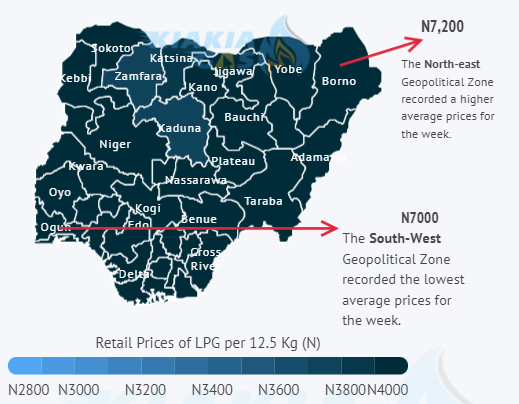





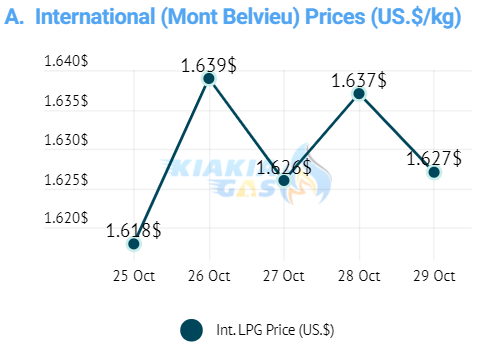
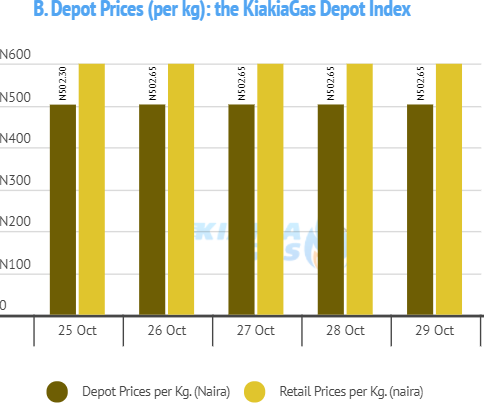
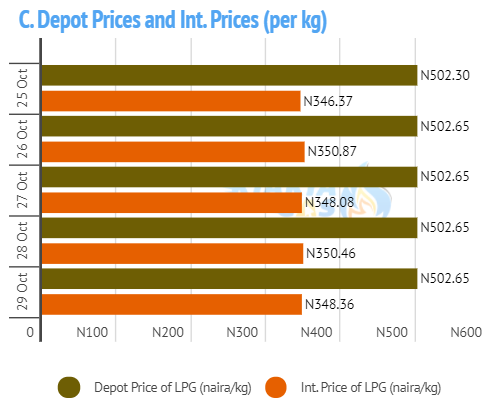
 A daily feature of the Nigerian LPG market was regional variance in LPG prices across the country. Because of the in price speculation and living style, the LPG South-West region has the highest price.

 Covid-19: Covid-19 causes demand for goods and services to fall due to the full or partial lock-down effect. The implication of the Covid-19 contracts to the LPG market
 Reducing the effect of the Covid-19, entails more campaign and public awareness of the virus as people are easily carried away and relaxing. Vaccines for Covid-19 should be distributed without much delay if available.


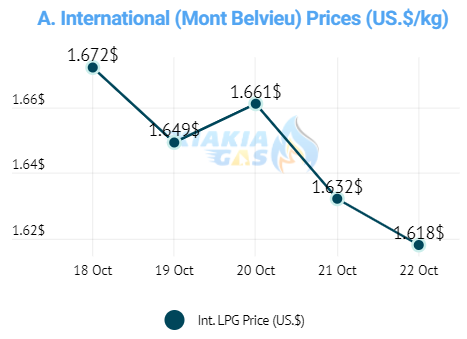
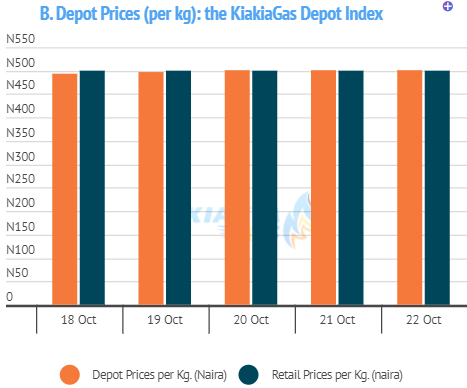
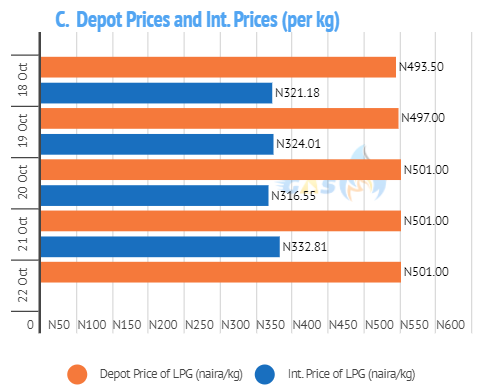
 Regional disparity in the prices of LPG across the country has been a regular feature of the Nigerian LPG market. There is a wide gap between the South East and South-west prices, this is due to its distance from the coastal region, has the highest prices due to distance from the coastal regions.



 The prices in the weeks to come may rise due to the the pressure of LPG export on the US
The Nigerian LPG market is the next success story of the Global LPG industry, if you need a partner with a global perspective and local expertise in the Nigerian and African space, kindly book a free session with our team of experts to help you
The prices in the weeks to come may rise due to the the pressure of LPG export on the US
The Nigerian LPG market is the next success story of the Global LPG industry, if you need a partner with a global perspective and local expertise in the Nigerian and African space, kindly book a free session with our team of experts to help you