CHALLENGES AND OPPORTUNITIES IN LPG DISTRIBUTION
Submitted by kiakiagas on

Consuming liquefied petroleum gas (LPG) is becoming increasingly essential in Nigeria, particularly now that the government is advocating for the use of Autogas. Previously, LPG was only used in the kitchen and for other large-scale industrial applications. There is a desperate demand for it right now. There is a money-making potential in this entire situation, and you cannot afford to pass it up. If you've ever considered establishing a LPG business, you should give gas distribution business a go today, at least on a modest scale. This is due not just to the fact that everyone cooks, but also to the fact that next-generation automobiles are built to use it. Kiakiagas is a company that has vast experience in the building of gas projects in quick time. Our platform provides data to support infrastructural development in the gas value chain. Our management platform allows you to monitor the progress of your project in real time with our real time project monitoring. We offer a variety of services that cater for every stage of your project development.

 

You can apply to become a super distributor for LPG or a minor LPG distribution business which will include sales of LPG cookers, fittings, and site installation in a specific location. LPG is supplied from the depot with full LPG tank in bulk at a reasonable wholesale price. This will then be redistributed and sold at a reasonable profit margin to the consumers. Challenges in LPG distribution have prompted the existing distributors out of the market while the prospective distributors are prevented having acquired wrong information from wrong source about the LPG business. Kiakiagas are well informed about the LPG business through the stages of chain of distribution. With our team of business and data analysts, we calculate your prospective strength, weaknesses, opportunities and threats in the business based on our existing data before you venture into the business. In other words, we conduct a feasibility study which represents a snapshot information to guide you through the business so as to maximize the profit in the located area. Below are the challenges that you are likely to face as a prospective distributor of LPG:


CHALLENGES


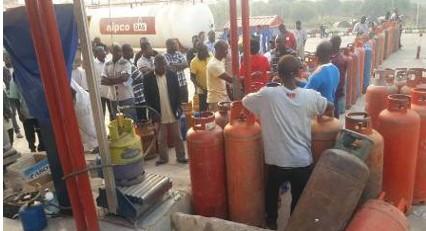
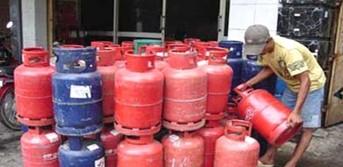
LPG Tank/Cylinder Management Issues: As a super dealer, you must ensure that you have enough complete gas cylinder stock at all times to meet client orders immediately. To ensure effective supply, at least one supply truck should be present. The basic truth is that the initial money required to establish an LPG wholesale distribution firm is substantial. However, with an excellent business plan and feasibility study, it is much easier to secure the assistance of both investors and financial institutions. The chances of becoming a successful LPG distributor are increased if the feasibility assessment of the location is carried out by a team of our experts in the LPG rather than doing it alone or inviting a non-competent instructor If you're thinking about beginning a liquefied petroleum gas distribution business, it's a good idea to see if there are any suitable franchise possibilities available that could help you get started faster. Kiakiagas will get you cleared from the relevant authorities that regulates the LPG activities in the oil and gas sector. This is a cogent reason why you should book a session with us through our website to have discussion on how you can set up LPG distribution businesses.


Government Regulation: Another risk in the business is government regulation. Should government decide to increase the price of LPG today, some consumers may find it difficult to take and have to go back to using kerosene or firewood. If that happens, you lose some customers and your sales will drop. However, government is always trying to reduce the price of cooking gas to encourage its usage and discourage deforestation.


Competition: The company is at a competitive disadvantage as an emerging liquefied petroleum gas wholesale business startup since the company brand is just beginning to create an identity in the marketplace. Unless you are really committed to the idea of a startup, you can avoid the time required to build a brand identification by purchasing a business with an established name. As a startup, your best bet is to gradually build brand awareness over months and years. A LPG wholesale business acquisition, on the other hand, can place one at the helm of a brand that is already well-known in the target market.


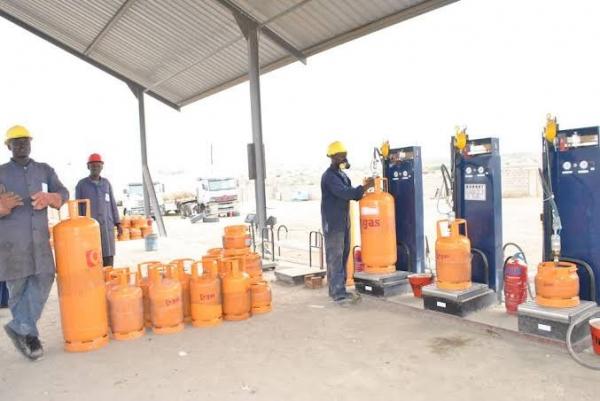
Choice of Location: As a retailer dealing in the distribution of LPG in a certain location, you have a better chance of reaching more customers because services are closer to end consumers. Kiakiagas will equip you with proper strategies to make you the best alternative for them when it comes to proximity to the Gas market. In essence, the retailer serves as a profitable link between a huge gas plant and its buyers. Before starting the LPG distribution business, it is necessary to go through training to at least obtain the fundamental safety precautions. Some of the topics covered include, but are not limited to, how to detect and repair leaks in gas cylinders, how to weigh cylinders of various sizes using a scale, how to properly refill gas cylinders such as 3kg, 5kg, 6kg, 12.5kg, 13kg, , 25kg and 50kg and how to charge for prices of any custom quantity that customers may request. The Retail sub-division is rapidly extending its reach and client base across the country, with the objective of being the preferred market leader in delivering refined petroleum products to consumers across the country.


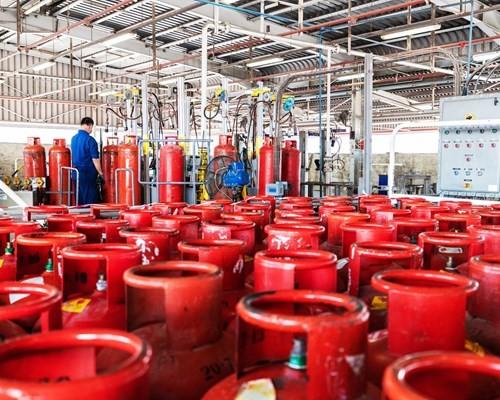
Safety: Risks in LPG business According to Darlinton Omeh, an investment analyst, every business has its peculiar setback and the biggest risk in cooking gas business is fire explosion, which is very common due to the high inflammable nature of liquefied natural gas. That isn’t much problem though since it can easily be mitigated or even avoided. ‘‘To be able to curtail this, you need to be alert at all times to detect when there is leakage in those cylinders as leakage is one of the major causes of fire and explosion. You also need to buy good fire extinguisher that can be very handy in time of minor fire outbreak,’’ he said. Kiakiagas will engage you with safety training which will aid in the selection of a safe location for the LPG distribution business. Because gas can cause environmental risks, launching in a cool, dry location with strong demand is critical. Training with Kiakiagas will help you to acquire accurate measurement of gases in tons, kilos, or litres. LPG purchased for resale is stored in tanks or 50kg cylinders before being sold in smaller quantities to customers who keep it in 12.5kg, 6kg, or 3kg cylinders.


Funding: A typical LPG distribution business may incur expenses such as funding to establish a new business, renting a shop, and purchasing operational materials such as tanks, cylinders, scales, transfer hoses, and other tools. A significant sum of money will be required to purchase the product (gas) and transfer it directly to the retail business. In any case, the typical cost of beginning a retail LPG distribution business is between 290,000 and 390,000 NGN. Some people may be put off by the prospect of starting a gas refilling business because someone they know has failed miserably. People are smiling to the bank functioning as LPG Suppliers, despite the fact that it may be depressing.


OPPORTUNITIES


Gas companies, both the suppliers and retailers are making good money in the business. It is good news that more Nigerians are beginning to use cooking gas for various domestic cooking purposes. That will help decrease the problems of deforestation and help conserve the nation’s natural forests and prevent potential disasters inherent in desert encroachment such as erosion. Apart from the environmental benefits, the increased number of people, especially in urban areas, who are using cooking gas has created good business opportunity for smart entrepreneurs who can now trade on cooking gas and cooking gas equipment to make good profits.


Push by the federal government: Cooking gas business is very profitable and you don’t have to break the bank before you can start. This is a big business that anyone who is into it can be proud of. Gas cylinders How exactly can one start cooking gas business in Nigeria? Before we go into the details, let us first take a look into the profit potential in this business as well as the risks involved. If you have been observing the news lately, there is a push by the federal government of Nigeria to deepen the usage of LPG in the country.  And this push will start yielding results soon. If you have been procrastinating about starting your own LPG distribution business, this maybe the reason to revisit that plan and put it back to work. 


Cooking gas value chain: Opportunity inherent in the cooking gas value chain is the sale of cylinders and accessories, which can be managed alongside the gas plant, offering a one-stop service for customers. “This is relatively the lowest profit you can make in cooking gas business if you are in respectable position where you get good patronage. Most people make much more than what I calculated here. So, it’s not in any way by exaggeration. “For a business you started with N300,000, N150,000 profit is a super profit by all standards. Imagine if you invest more resources and take it higher, your profit will be much more mouthwatering.


Understanding LPG Demand Curve: Now imagine if we can switch another 25% of our population from House Hold Kerosene to cooking gas in the next 36 months 50% of annual consumption= 600million kg (1.54billion Litres).  Cooking gas business is a very profitable business, but just like every other en-devour of life, it comes with its own challenges. Most of the energy used for domestic cooking in Nigerian homes comes from traditional forms of energy like HHK (kerosene) which accounts for 65-70% of the energy consumption in Nigeria, LPG stands at 25%, while other fossil fuels like firewood and coals accounts for the remaining 5%.


Nigeria's average household size: Another opportunity is that Nigeria's average household size is six people, according our existing data. When you split 200 million by six people per family, you get 33 million people who buy cooking gas on a monthly basis. Because the demand curve is still expanding, many people are unaware of it. Positioning oneself in the market now is equivalent to purchasing Bitcoin at a price of 0.0003 dollars. Remember that this is a moving market. Exponential growth is possible. Though demand does not change on a daily basis like fuel usage, consider the demand curve if every household in the country utilizes cooking gas.


Way Forward

Locating business closer to customers and then increasing advertising budget will help solve the issue. Whether they realize it or not, the majority of Nigerians in metropolitan areas (if not all) use LPG to cook. That number is steadily increasing, and now is your time to profit. All you have to do is do a market study (research) to find out when LPG is in great demand, who or what class of individuals requests it, and where they are concentrated. The information you've gathered thus far will help you choose a profitable site, one that will provide you with a constant market for gas and its accessories. In reality, it is preferable to locate in a virgin place with a good level of daily demand and then utilize advertising to fill in any gaps. Advertising is never-ending and never-ending. Some clients have yet to form a strong bond with any LPG provider. It is your responsibility to approach them with enticing offers such as first-time purchase discounts or an offer to pick up their cylinders, refill them, and return them to them. The working class would fall for it, and you'd be laughing all the way to the bank.

Conclusion

There is money to be made in the gas distribution business in Nigeria right now, this advantage can be taking with a little hard work. It all entails learning the ropes of the business, get the help of specialists, conduct research and analysis, secure funding, and conduct feasibility study. Most aspiring gaspreneur are intimidated by the prospect of obtaining a LPG feasibility study. A solid LPG feasibility study acts as a reality check, comparing your business instincts to those of your competitors. The backend of business planning requirements is a feasibility analysis of the LPG company strategy.

In most cases, tracking tools are incorporated into the company's launch plan in order to run a successful LPG business. It is a wise decision to learn as much as possible from a respected company that has created a landmark in the industry as part of due diligence on launching a LPG depot, wholesale, and retail business. You're being overconfident if you believe your local competitors will provide you technical advice. Why would they want to educate a competitor in the future? As long as they do not perceive a competitive danger, an owner of an LPG business in another town, city, state, or country may be more than pleased to provide thorough advice.

KiakiaGas Limited is a leading Gas business in Lagos, Nigeria with expertise in LPG retailing, New Gas Market development, Building of Gas Plants and Gas strategy advisory. Supply by KiakiaGas provides LPG products and equipment for corporate and institutional clients for the project and operational needs. If you need a partner with hands-on local expertise in the Nigerian and African Gas space or any of our bespoke solutions/services, kindly visit www.kiakiagas.com to learn more.
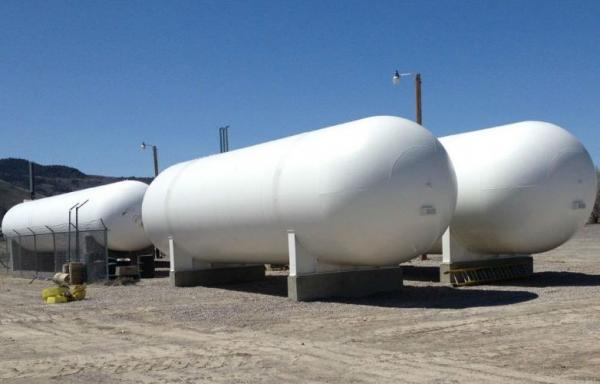
Everything you need to know about LPG Storage tanks

Submitted by kiakiagas on

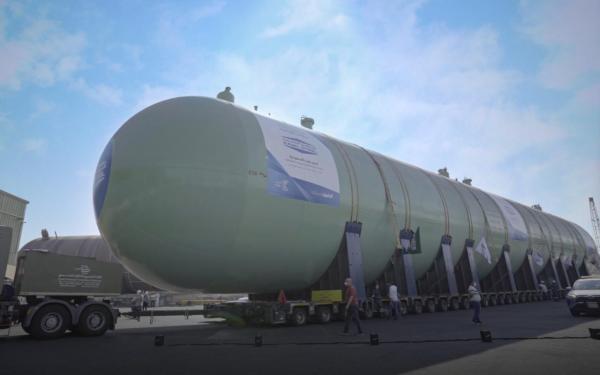
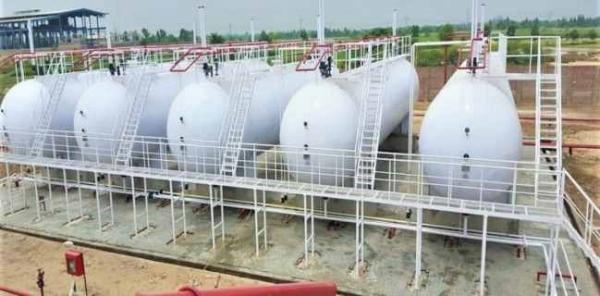
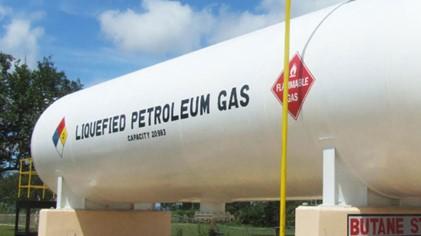
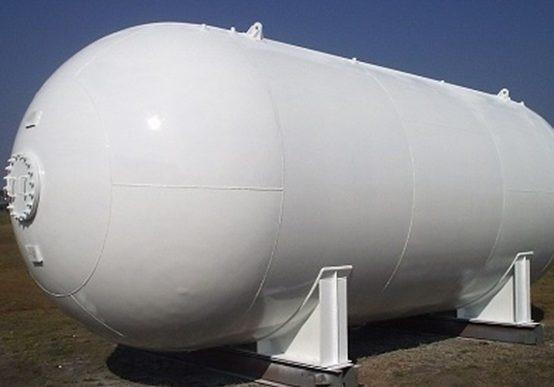
A liquefied petroleum gas (propane) storage tank is a pressure vessel used to store the major component media, liquefied petroleum gas (propane). At 50°C, the storage medium's saturation vapour pressure is less than or equal to 1.63MPa, and H2S solubility is less than 7.7mg/L. Above-ground storage tanks and subsurface storage tanks are the two types. LPG is suitable for both domestic and industrial usage, but it can be dangerous if you don't utilise it properly or follow the LPG storage tank requirements. Kiakiagas is a leading company in getting you the best quality of LPG tanks that are manufactured in line with the USA and Nigeria governments’ requirements. You will get to know that there are several specialised techniques to keep and maintain an LPG storage tank that you should never overlook, when you engage us to provide you a quality and durable LPG tanks. We will guide you through the regulations for storage to ensure maximum safety of the product.


They range from determining the distance requirements for each tank to determining the condition of space suitable for storage. You should also think about whether you want to store them vertically or horizontally. Before you may handle and even distribute LPG storage tanks, you must first obtain regulatory approval. They must ensure that the facility in which you propose to store the tanks is large enough to accommodate the capacity you require. You must also have a minimum work force to manage the facility and on-site fire extinguishers in the event of a fire, among other things.


You can now begin supplying gas to immediate users after you have been cleared. When working with LPG storage tanks, the most significant considerations are storage and handling protocols. These may look cumbersome to you when considering the stress involve in getting you cleared by the authorities involved. Don’t worry! We are by your side. We maintain a cordial relationship due to longtime interaction with the agencies of government involved, therefore, getting approval for the LPG tank you get through us becomes easy. Our team of expertise in the field of safety will first make sure the building where the LPG tanks will be stored is not open to the public. This is among the requirement that should be fulfilled before erecting a tank. LPG may be stored in more than one tank in some instances. Kiakiagas takes care of how the tank will get to you and its fittings, to ensure it meets the requirements of the authorities for safe condition legally.

Things you need to know about LPG Storage tanks

Everything you need to know about LPG Storage tanks include:

Tank Material Selection: The pressure vessel special steel plate with a standard strength is used to construct the LPG storage tank body. Kiakiagas with its team of quality control inspect the type of steel sheet that are used to build your tank. Moreover, we established a partnership with American companies that engage in the LPG tank construction. This is one of the reasons why we offer excellent overall mechanical qualities and process performance, as well as corrosion resistance, high temperature resistance, and overall performance. Similarly, the benefits and drawbacks of steel processing technologies result in varied material qualities and price disparities, thus steel plates produced by large-scale steel mills are used in the formal process.

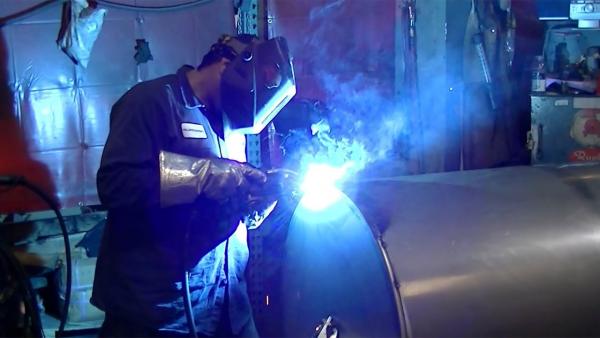
Points of quality control in the process: To fulfil the process requirements, Kiakiagas quality control team ensures that automatic loop welding equipment with superior technology that ensure the solder joints are stable and that the surface joints are even and smooth. We do not allow welds to cross the horizontal distance between the longitudinal joints of the two cylinders to ensure the safety performance of the LPG storage tank,.


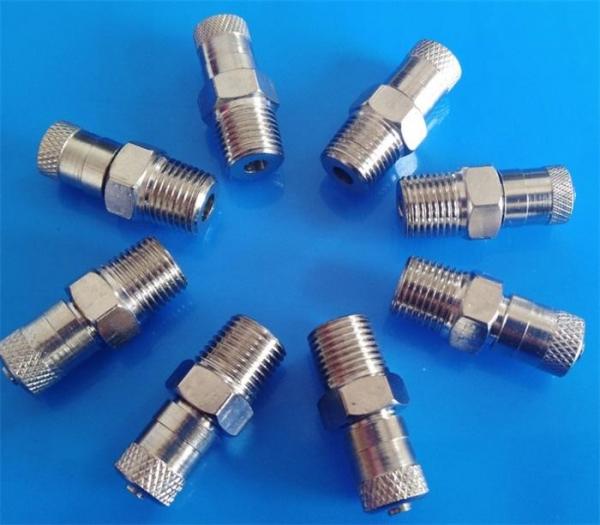
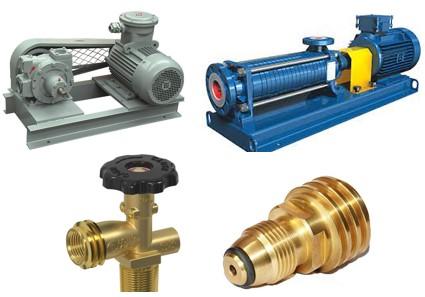
Valve fittings and Flange selection: Valve fittings such as manhole covers, safety valves, manual release valves, thermometer level gauges, and other valve fittings are among the LPG equipment we import from our partners abroad. Safety valves, manual release valves, thermometer level gauges, and so on, using brand quality guarantee products, can effectively ensure the safety and inspection of LPG tanks when passing through stages of certification by the authorities.

Process of Heat Treatment: Professional heat treatment equipment with a sealed consistent temperature is required. The length of the heating time must be strictly necessary for the temperature curve to be set. The resistance wire heating treatment procedure should effectively generate relaxation inside the tank body, alleviate various tensions, and ensure that the LPG storage tank body does not bend or leak, thereby extending its service life.


Tank Paint Spraying: Sanding and derusting the tank, spraying anti-rust paint, hanging the ion paint, and finally painting the primer and top coat are the steps. The LPG storage tank can be used thanks to advanced paint processing technology. It will not fade after more than ten years of exposure to the elements. It won't come off the paint. It will not rust and will protect the tank from external damage.


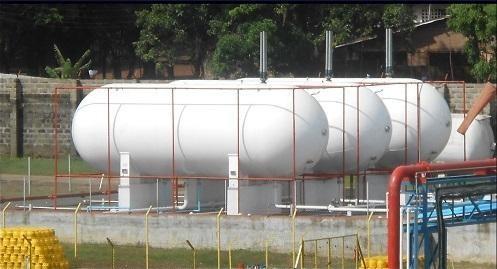
Siting of the tank: Between the tank and any building, boundary line, or stationary source of ignition, there should be a minimum separation distance (called the separation distance). This should have been checked when the tank was installed, and if you are unclear, the supplier will know what the distance should be. It's possible that the region has changed since the tank was built. Walls could be changed, sheds or fences built, electrical equipment installed near the tank, and trees or bushes planted nearby. These should not be closer to the tank than this minimum distance, and if they are, plans must be made to relocate them. Drains or gullies should not be located near the tank unless a water trap is installed to prevent gas from entering the drains. Because LPG is heavier than air, if a leak occurs in the tank, its controls, or pipes, or when it is being filled, the vapour could collect in an untrapped drain or gully. The igniting of these vapours could result in a fire or explosion. It's also a good idea not to paint the tank any colour other than the one that came with it, as this could increase the amount of heat it absorbs from the sun.


The tank's ventilation and the environment around it: In the event of a leak, there should be enough space around the tanks to allow for adequate air flow so that pockets of heavier-than-air LPG vapours do not form. It's also critical to keep the area around the tank clean of trash, especially if it's combustible or could impede ventilation levels. Cut down weeds and grass around the tank for the same reason. If you must use a weed killer, stay away from chlorate-based products (as this can make the dead plants easier to ignite).


Access for tankers: A designated level parking place for the tanker transporting LPG should be provided. On delivery days, this parking space should be clear, and people should stay away from the tank and truck while the LPG is being transferred. The LPG supplier will need to ensure that the tanker cannot drive away with the supply hose still attached, and that no electrical sparks are generated by static electricity or other causes. LPG suppliers must verify that their drivers are properly trained and follow the proper protocols.


Security: People that aren't connected with the installation, such as workers who aren't responsible for the LPG or site visitors, should stay away from it. Smoking, using electrical equipment, or parking vehicles near the tank are all prohibited. 'No smoking' and other signs should be prominently placed and kept in good condition. Bonfires and barbecues, for example, should not be allowed near the tank. It is permissible to operate grass-cutting equipment in the area of the tank on a temporary basis. Unauthorized entry to the tank should be prevented to limit the risk of purposeful or unintentional interference. Larger tanks require a security barrier to keep them safe. This fence should allow for natural air flow (for example, if it's composed of wire mesh) and be kept in good repair. Unless access to the tank is required, any gates should be kept locked. In the case of tanks with a capacity of less than four tonnes of LPG, a fence may not be required. This can only be justified if the danger of interference is low and there is no uncontrolled public access, such as owing to tank placement or other accessibility issues. Regardless of whether or not the tank is full, the valve covers should be locked.


Impact protection: If at all possible, the tank (and its accompanying plumbing) should be placed away from high-traffic areas. Where this is not possible, protection from a motor vehicle striking the tank, such as crash barriers or bollards, is required. This protection is unlikely to be provided by a security barrier and/or road markings (e.g., "no parking" signs, double yellow lines).


Arrangements for an emergency: The supplier's emergency number will be printed on the LPG tank and should be phoned if there is a leak. If a fire breaks out, the user should have an emergency plan in place, which should involve removing individuals from the area. In general, call the fire department if there is a fire near the tank that cannot be put out without endangering others. The shut-off valve on top of the tank and the emergency control valve (ECV) should be closed in the case of an emergency and where it is safe to do so.

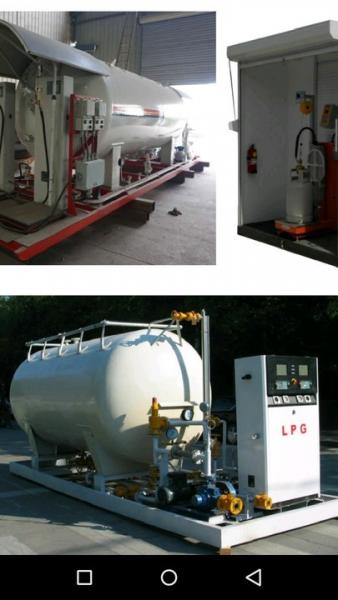
You could become frustrated and annoyed with the LPG tank and dispensing equipment if the LPG tank and equipment are changed out too frequently. This is true if you have not yet had the opportunity to purchase LPG tank and dispense equipment from Kiakiagas, a company that is connected to the producers of LPG tank and dispense equipment. Among the affiliated American company is the Casper. When you choose Kiakiagas ‘convenience store services for gas plant equipment, you can stay compliant and up to date with a gas plant equipment regulation. We assist you to outfit your location with the LPG tank, dispensing equipment, and hardware necessary to stay in compliance with a gas pump and dispense equipment regulations. We are obsessed with quality. We procure our commercial gas pumps and dispense equipment for high volume applications from affiliated European and American companies and our LPG tank and dispense equipment for high volume applications design is in accordance with European standards.


KiakiaGas Limited is a leading Gas business in Lagos, Nigeria with expertise in commercial gas pump and dispenses equipment, LPG retailing, New Gas Market development, building of Gas Plants and Gas strategy advisory. Supply by KiakiaGas provides LPG products and equipment for corporate and institutional clients for the project and operational needs. If you need a partner with hands-on local expertise in the Nigerian Gas space or any of our bespoke solutions/services, kindly Mail hello@kiakiagas.com  to learn more.to learn more.


Why is LPG feasibility studies important for your LPG business?

Submitted by kiakiagas on

The domestic liquefied petroleum gas filling sub-sector of Africa's Oil and Gas Industry has undeniably large investment potential. For cooking, a high majority of people in the middle and upper socioeconomic classes rely on gas. Industries, government institutions, hotels, hospitals, restaurants, bakeries, and a variety of other businesses are all affected. The distribution of gas products has been deregulated in response to the enormous demand for LPG in Africa and the resulting scarcity of the product, which has resulted in dramatic and arbitrary price hikes. As a result, private individuals and businesses can now build LPG facilities. As a result, a feasibility study is required to serve as a guide for beginning the LPG feasibility research.

A feasibility study examines all of a project's pertinent aspects, including economic, technical, legal, and scheduling issues, to determine the project's chances of success. Several elements influence whether a project is practical, including the project's cost and return on investment, or whether the initiative earned sufficient money or sales from consumers. A feasibility study, on the other hand, isn't just for projects that want to measure and estimate financial gains. In other words, depending on the industry and the project's purpose, practicality can mean different things. A feasibility study, for example, could determine if a liquefied petroleum gas plant can generate enough funds through cooking gas sales and sales of gas equipment to increase the return on investment (ROI). A feasibility study determines if a proposal or project is feasible. A feasibility study examines a project's viability to see if it has a chance of succeeding. The research will also look for any challenges and problems that may occur as a result of the project's implementation.

There has never been a better time to invest in cooking gas, as the demand is expected to rise by 125 percent over the next five years. Investment opportunities abound around the value chain, but investment conditions differ. When one shifts from the upstream to the downstream sector of the industry, the investment and regulatory criteria for market entry in the value chain decrease. In comparison to an investor whose planned investments are at earlier stages of the value chain, an investor who wishes to enter the retailing of LPG will more quickly enter the market and begin operations immediately. Any company wishing to participate in the LPG distribution market must register with the Nigerian Corporate Affairs Commission (CAC), which is responsible for the “regulation and supervision of the formation, incorporation, management, and winding up of companies,” among other things. The registration of an oil or gas company as a private limited

Despite the vast investment prospects available in this industry, one area that remains relatively untouched is LPG plant investment. While investment in other sectors of the value chain, such as retail, gas accessories, and parts, is at an all-time low, LPG investment is at an all-time low. As can be seen on every street corner, the cooking gas business is a viable one. Given the strong competition, you might ask how they earn a profit. The good news is that as more people adopt this fuel, more customers will emerge. It is thus important to notice the establishment of a gas plant to suit Nigeria's growing demand for cooking gas. The time it takes to build up LPG facilities varies; it usually takes around 24 months or more, depending on the Department of Petroleum Resources' (DPR) licensing process.

This process might look complicated, however, with our knowledge, experience and cordial relationship with the DPR officials, Kiakiagas will easily get all the required papers for you while saving your resources and without you going through the stress. Kiakiagas possess LPG implementation skills with which you can have your papers and other necessary document that back up your propose LPG plant from not only the DPR but also other LPG regulating government agencies. Kiakiagas will guide and direct you to the next point of action after acquiring the necessary papers. We are good at what we do and we do not abandon our clients or upcoming entrepreneur in the field of LPG. Our reputation speaks for us in the gas industry.


Why is LPG feasibility studies important for your LPG business?

Uncertainty is a constant that all businesses encounter on a daily basis. Getting consumers in the door, persuading them to spend, and eventually making a profit are all basic goals that might be tough to execute at times. Changing, adapting, and introducing new products and ideas into your business mix are all ways to mitigate some of the risks, but without adequate foresight and planning, those activities can be quite risky. Enter the feasibility study: an opportunity to ask and receive answers to questions that will help you evaluate potential and predict success or failure.

The phrase "feasible" refers to an action or event that is "likely," "likely," or "possible" to occur. A feasibility study is a collection of actions and questions used to establish whether an idea, thinking, or strategy has a good chance of succeeding. An effective study can help you decide if you should pursue your idea, refine it, or abandon it entirely and return to the drawing board. Feasibility studies are specific and targeted. They start with a single question - if the concept, event, or action is a viable solution – and compel you to focus entirely on that subject, digging down to investigate various outcomes.


A feasibility study and a business strategy are not the same thing. A feasibility study is a tool for research that may lead you to dismiss an idea, whereas a business plan is a call to action. In fact, a feasibility study can be used as a precursor to writing a business plan. Feasibility studies are useful because they push you to think about the large picture first and then think top-down. As a result, one or two broad starter questions lead to a slew of more specific follow-up questions that become increasingly focused as you approach closer to a final answer. There are cooking gas plants in the cities as they are noticed by the road side but free from residential area. We just give you another reason to invite our team of experts at Kiakiagas to guide and put you through on the choice of location. We embark on the use of our vast experience in choosing a location that you may consider as high selling point. Our team of researchers will mediate between you and DPR to get you a suitable and LPG marketable location that will be free from the DPR sanction.

Asking whether anyone will buy your LPG product and whether it will make a profit, for example, raises further questions that require you to think about customer need, potential competition, and potential hazards. You must also define your target market, describe your LPG product and its benefits, and determine cost, break-even, and profit points.

Feasibility studies allow you to "get it right" before investing time, money, and business resources into a LPG concept that may or may not work out as you had hoped, forcing you to invest even more to repair defects, remove limits, and then try again. Feasibility studies can also help you see fresh options, opportunities, and solutions that you might not have explored otherwise. There are no right or incorrect answers to your queries, but a response you didn't expect or want can open up new earning opportunities.

The choice to proceed with the LPG business is one of the main objectives of the feasibility study. Because all LPG business-related factors are included, a clear picture of the many aspects is generated. Due to the limited nature of resources, it is critical to ensure that they are used effectively. The most advantageous path should be chosen since valuable resources are not only saved from being wasted on ineffective projects, but are also invested in more profitable ones in the future. A LPG company avoids losses by determining whether or not to pursue a new initiative based on how the return is weighed against the LPG investment.

The feasibility analysis outlines all of the LPG business's potential constraints as a consequence of the investigation. Monetary, technical, resource-related, technological, financial, marketing, logistical, legal, and environmental restraints are only a few examples. Estimating these limitations gives you a clear picture of all the problem areas where the LPG project can run into problems in the future, as well as their primary causes.

A significant amount of money and valuable resources are invested in a single LPG project. These must be utilized to the fullest extent possible. A feasibility study lays out the whole course that the LPG project could take. It contains crucial information such as financial estimates. It is only prudent to choose the business idea or project that will be the most long-lasting and will withstand future financial dangers.

Another important aspect is the support system required for the LPG firm to run smoothly. It's possible to find differences in logistical alternatives. It aids in the discovery of available resources in terms of labour, materials, and related technology. The firm's technological resources are evaluated for their potential. An evaluation of the technical team's abilities is carried out. Any flaws are investigated, as well as potential solutions. It also entails a review of critical systems, such as hardware, software, and technological needs for the entire system. Untimely replacement of LPG equipment, such as gas pumps and dispensing equipment, might be inconvenient and irritating. This is true if you have not yet had the opportunity to purchase gas pumps and dispense equipment from Kiakiagas, a company that sells gas pumps and dispense equipment and is linked with the imported gas pump and dispense equipment manufacturers. Casper and other associated American companies are among the affiliated companies. You will stay compliant and up to date with a gas pump and dispense equipment laws by using Kiakiagas' convenience store services for gas pumps and dispense equipment. We help you get the gas pumps, dispensing equipment, and hardware you need to stay in compliance with a gas pump and dispense equipment license.

The market feasibility is an important aspect of the feasibility research. This section contains all of the relevant industry information. Important information is acquired, such as the industry's size, retail value, and trends. The specific market is also examined, as well as the market's future potential. To ensure the LPG business's success, a thorough assessment is essential. The competitive environment has also been prepared. As a result, the company chooses the best strategy for positioning itself against the competition. In order to determine how and where a cooking gas plant should be built, the DPR, as the federal government's regulatory authority, must be consulted, as well as an expert in the subject. The Kiakiagas Nigeria Limited, which has a solid reputation for establishing gas plants that include not only LPG but also CNG/LNG, auto gas, oxygen plants, and shipping, is the proper and finest option to consider. Our crew is up to the task, and we follow the DPR's instructions by using imported goods. Our staff has undergone extensive training to ensure that installations are carried out using the most up-to-date technology. We can also assist you in obtaining the appropriate permissions and ensuring that all gas pumps and dispensing systems are approved and tested extensively. Kiakiagas is a one-stop-shop for all things gas, from pipeline to pump. As an added bonus for convenience stores, Kiakiagas carries leading gas pump and dispense equipment manufacturers such as Casper.

The LPG description is also determined. All of the possibilities are reviewed and analysed in order to select the most profitable option. A profile of possible LPG customers is created, as well as an assessment of the LPG market's size in terms of potential LPG buyers. Sales estimates of the LPG can be estimated with the help of previous data. The target audience's various places are investigated, and the most beneficial audience and location may be chosen. The suggested target audience's level of acceptability of the delivery can be determined. It guarantees that the correct product is created for the correct customers. Pricing decisions and tactics are made. It guides decision-makers toward finding the most advantageous possibilities.

Establishing LPG plant cooking gas business is very profitable and you don’t have to break the bank before you can start. You will get your business set up and ready to go with almost everything necessary in place I guided by the Kiakiagas. And this is a big business that anyone who is into it can be proud of. But beyond the financial requirement needed to establish an LPG plant, there are statutory regulatory guidelines that must be met before license can be issued


Kiakiagas Limited is a leading Gas business in Lagos, Nigeria with expertise in commercial gas pump and dispenses equipment, LPG retailing, New Gas Market development, building of Gas Plants and Gas strategy advisory. Supply by Kiakiagas provides LPG products and equipment for corporate and institutional clients for the project and operational needs. If you need a partner with hands-on local expertise in the Nigerian Gas space or any of our bespoke solutions/services, kindly Mail hello@kiakiagas.com to learn more.to learn more.

ARE LPG BUSINESSES PROFITABLE

Submitted by kiakiagas on

Nigeria offers several investment opportunities in a variety of industries, including gas production, financial services, and real estate. The gas industries, as well as other industries, are growing, and new investment opportunities are emerging on a daily basis. New productive industries must be formed in order for our economy to grow. This will create jobs, raw materials for our businesses, physical growth, and, most importantly, self-sufficiency. Within the petrochemical business, Liquefied Petroleum Gas (LPG) presents a fantastic investment opportunity. The LPG business was created expressly to meet the country's industrial and domestic gas needs. LPG is required in practically every element of business. For example, the automotive industry, manufacturing plants, and thermal energy generation are all in high demand. On a residential level, most households, particularly those in the middle and higher classes, increasingly rely on gas for cooking. Since firewood and kerosene stoves are quickly becoming outdated, hotels, catering companies, restaurants, and bakeries all want LPG as an alternate source of energy.


The distribution of gas products has been deregulated as a result of the record demand for LPG in Nigeria and the resulting scarcity of the product, which has resulted in abrupt and arbitrary price hikes. As a result, private individuals and businesses can now build LPG facilities. This product has been made available by the government. A 12.5kg cylinder used to cost between N3, 200 and N4, 000, which was considered excessive and unaffordable by many Nigerians. Today, the price ranges from N2,000 to N2,500, which is considered modest and affordable.

Source of the Product

This product is sourced entirely locally as a by-product of petroleum refining operations. As a result, the raw material will be supplied by our refineries in Warri, Port Harcourt, and Kaduna. Aside from refineries, several independent marketers import large quantities of LPG cooking gas to assure consistent supply to small and medium-sized gas bottling and marketing businesses. Small and medium gas filling (bottling) and marketing enterprises are now available to potential investors.

Project location

The project can be located anywhere, however the location should be accessible but away from residential areas. Infrastructures such as good roads, proximity to the market, and skilled labor should all be taken into account.

Equipment and machine

Storage tanks, a filling shed, containers, cylinders, and a pump/compressor are all required. A facility for servicing cylinders should also be available. Gas storage tanks with fittings, filling heads and scales, a chain conveyor, pipes and valves, and fire-fighting equipment are among the machinery and equipment. Prospective investors will be given more information.

Labor requirement

Plant managers, engineers, marketing managers, accountants, supervisors, operators, drivers, and messengers, among others, will be needed. All staff should be trained in fire prevention and safety measures. At critical locations, bold warnings against the use of naked fire should be erected. The writer can provide all of the information, including the source of machinery and equipment, licensing procedures, plant layout, labor and management, filling operations, and a bankable feasibility report for potential promoters, upon request.

Capacity of the plant

The proposed plant will be capable of filling 500 of 12.5kg cylinders each day. A total of 105,000 cylinders will be filled and sold at a conservative market scenario at 75% capacity for 280 days per year. Depending on the promoters' wishes, the capacity could be reduced or raised.

Project take-off cost

A detailed feasibility study should be conducted to determine the actual cost of developing the project, taking into account the promoters' planned project site. According to our calculations, the promoters can earn about N126 million in the first year. The project's viability analysis shows that the initial investment will be repaid within the first year of operation. The reason is not implausible. Nigerians, particularly those in the country's urban centers, are now consuming significant amounts of gas. Aside from the short payback period, the NPV, IRR, and profitability index all indicate to the enormous financial gains that any serious investor who takes advantage of the gas industry's investment opportunity will get.

The sudden shift by Nigerians from the use of dirty fuel such as kerosene, firewood and charcoal to a cleaner and more environmentally friendly source of energy, which is the Liquefied Petroleum Gas (LPG) popularly called cooking gas, may have opened a new vista of investment opportunities for Nigerian entrepreneurs. Though Nigeria still ranks lowest in per capita usage of LPG with 1.1 kilogramme consumption rate behind South Africa, Morocco and Ghana, the intervention of the Nigerian Liquefied Natural Gas (NLNG) Limited has somewhat helped Nigerians to embrace the use of LPG. Prior to the intervention of NLNG in the domestic  gas market, the use of LPG was exclusively for the rich because the price was out of the reach of the common man as LPG was majorly imported with annual consumption rate of 70,000 metric tonnes per annum. The coming on stream of NLNG broke that monopoly and afforded a lot of Nigerians to begin the use of LPG as against the kerosene and other unconventional sources of energy. The incursion of NLNG into the domestic gas market equally created massive investment opportunities for local players to key into the LPG value chain business.
Nigeria, according to statistics from the Nigeria Liquefied Petroleum Gas Association (NLPGA), currently consumes 385,000 metric tonnes of LPG per annum, up from the 2013 consumption of 250,000. This is even considered too low when compared with Ghana, Senegal, Cameroon and Kenya’s utilisation.

Implementation Process

To get started on this project, you'll need to do thorough feasibility studies and create a very realistic business strategy. The finance agreement will then be finalized. There are options for borrowing from certain financial institutions, which will be provided to prospective investors upon request. The writer will assist in the preparation of complete and bankable feasibility studies reports, as well as the acquisition and installation of all necessary machines and equipment, as well as test running and staff training. Despite the massive investment opportunities that abound in this sector, one area that is still largely untapped is investment in LPG plant. While other areas of the value chain such as the retail arm, gas accessories and parts, investment in LPG is at its lowest ebb. This development can be said to be partly responsible for the high cost of cooking gas because there are only few players in this sub-sector of the LPG arm of business, with the few operators smiling to the banks on a daily basis as a result of huge returns on investment. Establishing LPG plant cooking gas business is very profitable and you don’t have to break the bank before you can start. You will get your business set up and ready to go with almost everything necessary in place I guided by the Kiakiagas. And this is a big business that anyone who is into it can be proud of. But beyond the financial requirement needed to establish an LPG plant, there are statutory regulatory guidelines that must be met before license can be issued.


These standards are prescribed by the oil and gas industry regulator – Department of Petroleum Resources (DPR). Application procedure According to documents made available to Daily Sun by NLPGA, prospective investors shall, in accordance with Part VI, Section 87, Sub-section (2) of the Petroleum Regulation 1967, petroleum gas plant or installation shall not be constructed or modified without approval granted by DPR. Accordingly, all applications for approval to construct/modify an LPG plant or installation shall be addressed to the Director of Petroleum Resources, giving full details of the proposals. Each application shall be accompanied by three copies of the following:


Detailed approved plans drawings showing the existing or proposed buildings on the site and the relative distances to the roadways and adjoining properties, alongside    piping and instrumentation diagram of the gas filling plant and sectional design drawings of the storage tanks shall equally be provided. The NLPGA document stipulates that a certificate signed by the Chief Federal/State Fire Officer or an officer authorised by him in that behalf, that he is satisfied with the proposed arrangements for the prevention of fire; letter from the appropriate town planning authority authorising siting of the LPG filling plant at the proposed arrangements for the prevention of fire and an evidence that the company is duly incorporated by the Federal Ministry of Trade to deal in petroleum products. Other requirements include current three-year tax clearance certificate, codes, standards and specifications adopted in the design of the tanks, non-destructive examination report or pressure test report of the LPG storage (pressure) tank and an application fee of N10,000 in bank draft drawn in favour of the Federal Government of Nigeria, DPR payable on submission. This process might look complicated, however, with our knowledge, experience and cordial relationship with the DPR officials, Kiakiagas will easily get all the required papers for you while saving your resources and without you going through the stress. Kiakiagas possess LPG implementation skills with which you can have your papers and other necessary document that back up your propose LPG plant from not only the DPR but also other LPG regulating government agencies. Kiakiagas will guide and direct you to the next point of action after acquiring the necessary papers. We are good at what we do and we do not abandon our clients or upcoming entrepreneur in the field of LPG. Our reputation speaks for us in the gas industry. Now let us move on to setting up a gas plant.

Risks in LPG business According to Darlinton Omeh, an investment analyst, every business has its peculiar setback and the biggest risk in cooking gas business is fire explosion, which is very common due to the high inflammable nature of liquefied natural gas. That isn’t much problem though since it can easily be mitigated or even avoided. ‘‘To be able to curtail this, you need to be alert at all times to detect when there is leakage in those cylinders as leakage is one of the major causes of fire and explosion. You also need to buy good fire extinguisher that can be very handy in time of minor fire outbreak,’’ he said.

Another risk in the business is government regulation. Should government decide to increase the price of LPG today, some consumers may find it difficult to take and have to go back to using kerosene or firewood. If that happens, you lose some customers and your sales will drop. However, government is always trying to reduce the price of cooking gas to encourage its usage and discourage deforestation. Other opportunities Another opportunity inherent in the cooking gas value chain is the sale of cylinders and accessories, which can be managed alongside the gas plant, offering a one-stop service for customers. “This is relatively the lowest profit you can make in cooking gas business if you are in respectable position where you get good patronage. Most people make much more than what I calculated here. So, it’s not in any way by exaggeration. “For a business you started with N300,000, N150,000 profit is a super profit by all standards. Imagine if you invest more resources and take it higher, your profit will be much more mouth watering. Gas companies, both the suppliers and retailers are making good money in the business,’’ he said. It is good news that more Nigerians are beginning to use cooking gas for various domestic cooking purposes. That will help decrease the problems of deforestation and help conserve the nation’s natural forests and prevent potential disasters inherent in desert encroachment such as erosion. Apart from the environmental benefits, the increased number of people, especially in urban areas, who are using cooking gas has created good business opportunity for smart entrepreneurs who can now trade on cooking gas and cooking gas equipment to make good profits.

Cooking gas business is very profitable and you don’t have to break the bank before you can start. With N300,000, you will get your business set up and ready to go with almost everything necessary in place. And this is a big business that anyone who is into it can be proud of.
Gas cylinders How exactly can one start cooking gas business in Nigeria? Before we go into the details, let us first take a look into the profit potential in this business as well as the risks involved.
If you have been observing the news lately, there is a push by the federal government of Nigeria to deepen the usage of LPG in the country.  And this push will start yielding results soon. If you have been procrastinating about starting your own cooking gas plant, this maybe the reason to revisit that plan and put it back to work. 

Understand LPG Demand Curve

Now imagine if we can switch another 25% of our population from House Hold Kerosene to cooking gas in the next 36 months 50% of annual consumption= 600million kg (1.54billion Litres).  Cooking gas business is a very profitable business, but just like every other en-devour of life, it comes with its own challenges. Most of the energy used for domestic cooking in Nigerian homes comes from traditional forms of energy like HHK (kerosene) which accounts for 65-70% of the energy consumption in Nigeria, LPG stands at 25%, while other fossil fuels like firewood and coals accounts for the remaining 5%.

Another reason is that demand does not change on a daily basis like fuel usage. Yes, cooking gas demand is not everyday, but consider the demand curve if every household in the country utilizes cooking gas. Nigeria's average household size is six people, according to the United Nations. When you split 200 million by six people per family, you get 33 million people who buy cooking gas on a monthly basis. Because the demand curve is still expanding, many people are unaware of it. Positioning oneself in the market now is equivalent to purchasing Bitcoin at a price of 0.0003 dollars. Remember that this is a moving market. Exponential growth is possible.

How Mini LPG Depot Works

The issues in the Nigerian LPG market have created a massive supply vacuum that is becoming increasingly difficult to fill. NNPC, the government agency in charge of oil and gas, has never been able to close any of the supply gaps that have existed throughout the years. However, with the correct investment, this gap can be filled with a tiny LPG Depot facility by looking into existing LPG rules. The concept is to find a state or area that can meet the LPG supply demands of numerous states and set up a micro depot there. This strategic placement is your micro depot's greatest asset.

It would be a mistake to start such a project without competent direction. You'll need an expert consultant who understands the LPG supply, distribution, and retail business models from all angles. A consultant who can effectively convey the notion of a small LPG depot. Assist you in putting together a reasonable plan. Search assistance and advice on the best location for the miniature plant. Assist in the development and implementation of a successful marketing strategy. Assist in the formation and management of the appropriate team to ensure project completion. And serve as the project's advisory team leader for the duration of the project and beyond. And, when it comes to marketing, it must take place both before and after the factory is built. During the feasibility plan, a marketing plan with proper accountability of all target retail plants within the identified market should be written up. This figure is crucial in determining the project's economic potential. The Kiakiagas Nigeria Limited, which has a solid reputation for establishing gas plants that include not only LPG but also CNG/LNG, auto gas, oxygen plants, and shipping, is the proper and finest option to consider. Our crew is up to the task, and we follow the DPR's instructions by using imported goods. Our staff has undergone extensive training to ensure that installations are carried out using the most up-to-date technology. We can also assist you in obtaining the appropriate permissions and ensuring that all gas pumps and dispensing systems are approved and tested extensively. KIAKIAGAS is a one-stop-shop for all things gas, from pipeline to pump. As an added bonus for convenience stores, KIAKIAGAS carries leading gas pump and dispense equipment manufacturers such as Casper.


Kiakiagas Limited is a leading Gas business in Lagos, Nigeria with expertise in commercial gas pump and dispenses equipment, LPG retailing, New Gas Market development, building of Gas Plants and Gas strategy advisory. Supply by Kiakiagas provides LPG products and equipment for corporate and institutional clients for the project and operational needs. If you need a partner with hands-on local expertise in the Nigerian Gas space or any of our bespoke solutions/services, kindly Mail hello@kiakiagas.com to learn more.to learn more.


ARE BUSINESSES PROFITABLE

Submitted by kiakiagas on

Nigeria offers several investment opportunities in a variety of industries, including gas production, financial services, and real estate. The gas industries, as well as other industries, are growing, and new investment opportunities are emerging on a daily basis. New productive industries must be formed in order for our economy to grow. This will create jobs, raw materials for our businesses, physical growth, and, most importantly, self-sufficiency. Within the petrochemical business, Liquefied Petroleum Gas (LPG) presents a fantastic investment opportunity. The LPG business was created expressly to meet the country's industrial and domestic gas needs. LPG is required in practically every element of business. For example, the automotive industry, manufacturing plants, and thermal energy generation are all in high demand. On a residential level, most households, particularly those in the middle and higher classes, increasingly rely on gas for cooking. Since firewood and kerosene stoves are quickly becoming outdated, hotels, catering companies, restaurants, and bakeries all want LPG as an alternate source of energy.


The distribution of gas products has been deregulated as a result of the record demand for LPG in Nigeria and the resulting scarcity of the product, which has resulted in abrupt and arbitrary price hikes. As a result, private individuals and businesses can now build LPG facilities. This product has been made available by the government. A 12.5kg cylinder used to cost between N3, 200 and N4, 000, which was considered excessive and unaffordable by many Nigerians. Today, the price ranges from N2,000 to N2,500, which is considered modest and affordable.

Source of the Product

This product is sourced entirely locally as a by-product of petroleum refining operations. As a result, the raw material will be supplied by our refineries in Warri, Port Harcourt, and Kaduna. Aside from refineries, several independent marketers import large quantities of LPG cooking gas to assure consistent supply to small and medium-sized gas bottling and marketing businesses. Small and medium gas filling (bottling) and marketing enterprises are now available to potential investors.

Project location

The project can be located anywhere, however the location should be accessible but away from residential areas. Infrastructures such as good roads, proximity to the market, and skilled labor should all be taken into account.

Equipment and machine

Storage tanks, a filling shed, containers, cylinders, and a pump/compressor are all required. A facility for servicing cylinders should also be available. Gas storage tanks with fittings, filling heads and scales, a chain conveyor, pipes and valves, and fire-fighting equipment are among the machinery and equipment. Prospective investors will be given more information.

Labor requirement

Plant managers, engineers, marketing managers, accountants, supervisors, operators, drivers, and messengers, among others, will be needed. All staff should be trained in fire prevention and safety measures. At critical locations, bold warnings against the use of naked fire should be erected. The writer can provide all of the information, including the source of machinery and equipment, licensing procedures, plant layout, labor and management, filling operations, and a bankable feasibility report for potential promoters, upon request.

Capacity of the plant

The proposed plant will be capable of filling 500 of 12.5kg cylinders each day. A total of 105,000 cylinders will be filled and sold at a conservative market scenario at 75% capacity for 280 days per year. Depending on the promoters' wishes, the capacity could be reduced or raised.

Project take-off cost

A detailed feasibility study should be conducted to determine the actual cost of developing the project, taking into account the promoters' planned project site. According to our calculations, the promoters can earn about N126 million in the first year. The project's viability analysis shows that the initial investment will be repaid within the first year of operation. The reason is not implausible. Nigerians, particularly those in the country's urban centers, are now consuming significant amounts of gas. Aside from the short payback period, the NPV, IRR, and profitability index all indicate to the enormous financial gains that any serious investor who takes advantage of the gas industry's investment opportunity will get.

The sudden shift by Nigerians from the use of dirty fuel such as kerosene, firewood and charcoal to a cleaner and more environmentally friendly source of energy, which is the Liquefied Petroleum Gas (LPG) popularly called cooking gas, may have opened a new vista of investment opportunities for Nigerian entrepreneurs. Though Nigeria still ranks lowest in per capita usage of LPG with 1.1 kilogramme consumption rate behind South Africa, Morocco and Ghana, the intervention of the Nigerian Liquefied Natural Gas (NLNG) Limited has somewhat helped Nigerians to embrace the use of LPG. Prior to the intervention of NLNG in the domestic  gas market, the use of LPG was exclusively for the rich because the price was out of the reach of the common man as LPG was majorly imported with annual consumption rate of 70,000 metric tonnes per annum. The coming on stream of NLNG broke that monopoly and afforded a lot of Nigerians to begin the use of LPG as against the kerosene and other unconventional sources of energy. The incursion of NLNG into the domestic gas market equally created massive investment opportunities for local players to key into the LPG value chain business.
Nigeria, according to statistics from the Nigeria Liquefied Petroleum Gas Association (NLPGA), currently consumes 385,000 metric tonnes of LPG per annum, up from the 2013 consumption of 250,000. This is even considered too low when compared with Ghana, Senegal, Cameroon and Kenya’s utilisation.

Implementation Process

To get started on this project, you'll need to do thorough feasibility studies and create a very realistic business strategy. The finance agreement will then be finalized. There are options for borrowing from certain financial institutions, which will be provided to prospective investors upon request. The writer will assist in the preparation of complete and bankable feasibility studies reports, as well as the acquisition and installation of all necessary machines and equipment, as well as test running and staff training. Despite the massive investment opportunities that abound in this sector, one area that is still largely untapped is investment in LPG plant. While other areas of the value chain such as the retail arm, gas accessories and parts, investment in LPG is at its lowest ebb. This development can be said to be partly responsible for the high cost of cooking gas because there are only few players in this sub-sector of the LPG arm of business, with the few operators smiling to the banks on a daily basis as a result of huge returns on investment. Establishing LPG plant cooking gas business is very profitable and you don’t have to break the bank before you can start. You will get your business set up and ready to go with almost everything necessary in place I guided by the Kiakiagas. And this is a big business that anyone who is into it can be proud of. But beyond the financial requirement needed to establish an LPG plant, there are statutory regulatory guidelines that must be met before license can be issued.


These standards are prescribed by the oil and gas industry regulator – Department of Petroleum Resources (DPR). Application procedure According to documents made available to Daily Sun by NLPGA, prospective investors shall, in accordance with Part VI, Section 87, Sub-section (2) of the Petroleum Regulation 1967, petroleum gas plant or installation shall not be constructed or modified without approval granted by DPR. Accordingly, all applications for approval to construct/modify an LPG plant or installation shall be addressed to the Director of Petroleum Resources, giving full details of the proposals. Each application shall be accompanied by three copies of the following:


Detailed approved plans drawings showing the existing or proposed buildings on the site and the relative distances to the roadways and adjoining properties, alongside    piping and instrumentation diagram of the gas filling plant and sectional design drawings of the storage tanks shall equally be provided. The NLPGA document stipulates that a certificate signed by the Chief Federal/State Fire Officer or an officer authorised by him in that behalf, that he is satisfied with the proposed arrangements for the prevention of fire; letter from the appropriate town planning authority authorising siting of the LPG filling plant at the proposed arrangements for the prevention of fire and an evidence that the company is duly incorporated by the Federal Ministry of Trade to deal in petroleum products. Other requirements include current three-year tax clearance certificate, codes, standards and specifications adopted in the design of the tanks, non-destructive examination report or pressure test report of the LPG storage (pressure) tank and an application fee of N10,000 in bank draft drawn in favour of the Federal Government of Nigeria, DPR payable on submission. This process might look complicated, however, with our knowledge, experience and cordial relationship with the DPR officials, Kiakiagas will easily get all the required papers for you while saving your resources and without you going through the stress. Kiakiagas possess LPG implementation skills with which you can have your papers and other necessary document that back up your propose LPG plant from not only the DPR but also other LPG regulating government agencies. Kiakiagas will guide and direct you to the next point of action after acquiring the necessary papers. We are good at what we do and we do not abandon our clients or upcoming entrepreneur in the field of LPG. Our reputation speaks for us in the gas industry. Now let us move on to setting up a gas plant.

Risks in LPG business According to Darlinton Omeh, an investment analyst, every business has its peculiar setback and the biggest risk in cooking gas business is fire explosion, which is very common due to the high inflammable nature of liquefied natural gas. That isn’t much problem though since it can easily be mitigated or even avoided. ‘‘To be able to curtail this, you need to be alert at all times to detect when there is leakage in those cylinders as leakage is one of the major causes of fire and explosion. You also need to buy good fire extinguisher that can be very handy in time of minor fire outbreak,’’ he said.

Another risk in the business is government regulation. Should government decide to increase the price of LPG today, some consumers may find it difficult to take and have to go back to using kerosene or firewood. If that happens, you lose some customers and your sales will drop. However, government is always trying to reduce the price of cooking gas to encourage its usage and discourage deforestation. Other opportunities Another opportunity inherent in the cooking gas value chain is the sale of cylinders and accessories, which can be managed alongside the gas plant, offering a one-stop service for customers. “This is relatively the lowest profit you can make in cooking gas business if you are in respectable position where you get good patronage. Most people make much more than what I calculated here. So, it’s not in any way by exaggeration. “For a business you started with N300,000, N150,000 profit is a super profit by all standards. Imagine if you invest more resources and take it higher, your profit will be much more mouth watering. Gas companies, both the suppliers and retailers are making good money in the business,’’ he said. It is good news that more Nigerians are beginning to use cooking gas for various domestic cooking purposes. That will help decrease the problems of deforestation and help conserve the nation’s natural forests and prevent potential disasters inherent in desert encroachment such as erosion. Apart from the environmental benefits, the increased number of people, especially in urban areas, who are using cooking gas has created good business opportunity for smart entrepreneurs who can now trade on cooking gas and cooking gas equipment to make good profits.

Cooking gas business is very profitable and you don’t have to break the bank before you can start. With N300,000, you will get your business set up and ready to go with almost everything necessary in place. And this is a big business that anyone who is into it can be proud of.
Gas cylinders How exactly can one start cooking gas business in Nigeria? Before we go into the details, let us first take a look into the profit potential in this business as well as the risks involved.
If you have been observing the news lately, there is a push by the federal government of Nigeria to deepen the usage of LPG in the country.  And this push will start yielding results soon. If you have been procrastinating about starting your own cooking gas plant, this maybe the reason to revisit that plan and put it back to work. 

Understand LPG Demand Curve

Now imagine if we can switch another 25% of our population from House Hold Kerosene to cooking gas in the next 36 months 50% of annual consumption= 600million kg (1.54billion Litres).  Cooking gas business is a very profitable business, but just like every other en-devour of life, it comes with its own challenges. Most of the energy used for domestic cooking in Nigerian homes comes from traditional forms of energy like HHK (kerosene) which accounts for 65-70% of the energy consumption in Nigeria, LPG stands at 25%, while other fossil fuels like firewood and coals accounts for the remaining 5%.

Another reason is that demand does not change on a daily basis like fuel usage. Yes, cooking gas demand is not everyday, but consider the demand curve if every household in the country utilizes cooking gas. Nigeria's average household size is six people, according to the United Nations. When you split 200 million by six people per family, you get 33 million people who buy cooking gas on a monthly basis. Because the demand curve is still expanding, many people are unaware of it. Positioning oneself in the market now is equivalent to purchasing Bitcoin at a price of 0.0003 dollars. Remember that this is a moving market. Exponential growth is possible.

How Mini LPG Depot Works

The issues in the Nigerian LPG market have created a massive supply vacuum that is becoming increasingly difficult to fill. NNPC, the government agency in charge of oil and gas, has never been able to close any of the supply gaps that have existed throughout the years. However, with the correct investment, this gap can be filled with a tiny LPG Depot facility by looking into existing LPG rules. The concept is to find a state or area that can meet the LPG supply demands of numerous states and set up a micro depot there. This strategic placement is your micro depot's greatest asset.

It would be a mistake to start such a project without competent direction. You'll need an expert consultant who understands the LPG supply, distribution, and retail business models from all angles. A consultant who can effectively convey the notion of a small LPG depot. Assist you in putting together a reasonable plan. Search assistance and advice on the best location for the miniature plant. Assist in the development and implementation of a successful marketing strategy. Assist in the formation and management of the appropriate team to ensure project completion. And serve as the project's advisory team leader for the duration of the project and beyond. And, when it comes to marketing, it must take place both before and after the factory is built. During the feasibility plan, a marketing plan with proper accountability of all target retail plants within the identified market should be written up. This figure is crucial in determining the project's economic potential. The Kiakiagas Nigeria Limited, which has a solid reputation for establishing gas plants that include not only LPG but also CNG/LNG, auto gas, oxygen plants, and shipping, is the proper and finest option to consider. Our crew is up to the task, and we follow the DPR's instructions by using imported goods. Our staff has undergone extensive training to ensure that installations are carried out using the most up-to-date technology. We can also assist you in obtaining the appropriate permissions and ensuring that all gas pumps and dispensing systems are approved and tested extensively. KIAKIAGAS is a one-stop-shop for all things gas, from pipeline to pump. As an added bonus for convenience stores, KIAKIAGAS carries leading gas pump and dispense equipment manufacturers such as Casper.


Kiakiagas Limited is a leading Gas business in Lagos, Nigeria with expertise in commercial gas pump and dispenses equipment, LPG retailing, New Gas Market development, building of Gas Plants and Gas strategy advisory. Supply by Kiakiagas provides LPG products and equipment for corporate and institutional clients for the project and operational needs. If you need a partner with hands-on local expertise in the Nigerian Gas space or any of our bespoke solutions/services, kindly Mail hello@kiakiagas.com to learn more.to learn more.


ARE BUSINESSES PROFITABLE

Submitted by kiakiagas on

Nigeria offers several investment opportunities in a variety of industries, including gas production, financial services, and real estate. The gas industries, as well as other industries, are growing, and new investment opportunities are emerging on a daily basis. New productive industries must be formed in order for our economy to grow. This will create jobs, raw materials for our businesses, physical growth, and, most importantly, self-sufficiency. Within the petrochemical business, Liquefied Petroleum Gas (LPG) presents a fantastic investment opportunity. The LPG business was created expressly to meet the country's industrial and domestic gas needs. LPG is required in practically every element of business. For example, the automotive industry, manufacturing plants, and thermal energy generation are all in high demand. On a residential level, most households, particularly those in the middle and higher classes, increasingly rely on gas for cooking. Since firewood and kerosene stoves are quickly becoming outdated, hotels, catering companies, restaurants, and bakeries all want LPG as an alternate source of energy.

The distribution of gas products has been deregulated as a result of the record demand for LPG in Nigeria and the resulting scarcity of the product, which has resulted in abrupt and arbitrary price hikes. As a result, private individuals and businesses can now build LPG facilities. This product has been made available by the government. A 12.5kg cylinder used to cost between N3, 200 and N4, 000, which was considered excessive and unaffordable by many Nigerians. Today, the price ranges from N2,000 to N2,500, which is considered modest and affordable.

Source of the Product

This product is sourced entirely locally as a by-product of petroleum refining operations. As a result, the raw material will be supplied by our refineries in Warri, Port Harcourt, and Kaduna. Aside from refineries, several independent marketers import large quantities of LPG cooking gas to assure consistent supply to small and medium-sized gas bottling and marketing businesses. Small and medium gas filling (bottling) and marketing enterprises are now available to potential investors.

Project location

The project can be located anywhere, however the location should be accessible but away from residential areas. Infrastructures such as good roads, proximity to the market, and skilled labor should all be taken into account.

Equipment and machine

Storage tanks, a filling shed, containers, cylinders, and a pump/compressor are all required. A facility for servicing cylinders should also be available. Gas storage tanks with fittings, filling heads and scales, a chain conveyor, pipes and valves, and fire-fighting equipment are among the machinery and equipment. Prospective investors will be given more information.

Labor requirement

Plant managers, engineers, marketing managers, accountants, supervisors, operators, drivers, and messengers, among others, will be needed. All staff should be trained in fire prevention and safety measures. At critical locations, bold warnings against the use of naked fire should be erected. The writer can provide all of the information, including the source of machinery and equipment, licensing procedures, plant layout, labor and management, filling operations, and a bankable feasibility report for potential promoters, upon request.

Capacity of the plant

The proposed plant will be capable of filling 500 of 12.5kg cylinders each day. A total of 105,000 cylinders will be filled and sold at a conservative market scenario at 75% capacity for 280 days per year. Depending on the promoters' wishes, the capacity could be reduced or raised.

Project take-off cost

A detailed feasibility study should be conducted to determine the actual cost of developing the project, taking into account the promoters' planned project site. According to our calculations, the promoters can earn about N126 million in the first year. The project's viability analysis shows that the initial investment will be repaid within the first year of operation. The reason is not implausible. Nigerians, particularly those in the country's urban centers, are now consuming significant amounts of gas. Aside from the short payback period, the NPV, IRR, and profitability index all indicate to the enormous financial gains that any serious investor who takes advantage of the gas industry's investment opportunity will get.

The sudden shift by Nigerians from the use of dirty fuel such as kerosene, firewood and charcoal to a cleaner and more environmentally friendly source of energy, which is the Liquefied Petroleum Gas (LPG) popularly called cooking gas, may have opened a new vista of investment opportunities for Nigerian entrepreneurs. Though Nigeria still ranks lowest in per capita usage of LPG with 1.1 kilogramme consumption rate behind South Africa, Morocco and Ghana, the intervention of the Nigerian Liquefied Natural Gas (NLNG) Limited has somewhat helped Nigerians to embrace the use of LPG. Prior to the intervention of NLNG in the domestic  gas market, the use of LPG was exclusively for the rich because the price was out of the reach of the common man as LPG was majorly imported with annual consumption rate of 70,000 metric tonnes per annum. The coming on stream of NLNG broke that monopoly and afforded a lot of Nigerians to begin the use of LPG as against the kerosene and other unconventional sources of energy. The incursion of NLNG into the domestic gas market equally created massive investment opportunities for local players to key into the LPG value chain business.
Nigeria, according to statistics from the Nigeria Liquefied Petroleum Gas Association (NLPGA), currently consumes 385,000 metric tonnes of LPG per annum, up from the 2013 consumption of 250,000. This is even considered too low when compared with Ghana, Senegal, Cameroon and Kenya’s utilisation.

Implementation Process

To get started on this project, you'll need to do thorough feasibility studies and create a very realistic business strategy. The finance agreement will then be finalized. There are options for borrowing from certain financial institutions, which will be provided to prospective investors upon request. The writer will assist in the preparation of complete and bankable feasibility studies reports, as well as the acquisition and installation of all necessary machines and equipment, as well as test running and staff training. Despite the massive investment opportunities that abound in this sector, one area that is still largely untapped is investment in LPG plant. While other areas of the value chain such as the retail arm, gas accessories and parts, investment in LPG is at its lowest ebb. This development can be said to be partly responsible for the high cost of cooking gas because there are only few players in this sub-sector of the LPG arm of business, with the few operators smiling to the banks on a daily basis as a result of huge returns on investment. Establishing LPG plant cooking gas business is very profitable and you don’t have to break the bank before you can start. You will get your business set up and ready to go with almost everything necessary in place I guided by the Kiakiagas. And this is a big business that anyone who is into it can be proud of. But beyond the financial requirement needed to establish an LPG plant, there are statutory regulatory guidelines that must be met before license can be issued.


These standards are prescribed by the oil and gas industry regulator – Department of Petroleum Resources (DPR). Application procedure According to documents made available to Daily Sun by NLPGA, prospective investors shall, in accordance with Part VI, Section 87, Sub-section (2) of the Petroleum Regulation 1967, petroleum gas plant or installation shall not be constructed or modified without approval granted by DPR. Accordingly, all applications for approval to construct/modify an LPG plant or installation shall be addressed to the Director of Petroleum Resources, giving full details of the proposals. Each application shall be accompanied by three copies of the following:


Detailed approved plans drawings showing the existing or proposed buildings on the site and the relative distances to the roadways and adjoining properties, alongside    piping and instrumentation diagram of the gas filling plant and sectional design drawings of the storage tanks shall equally be provided. The NLPGA document stipulates that a certificate signed by the Chief Federal/State Fire Officer or an officer authorised by him in that behalf, that he is satisfied with the proposed arrangements for the prevention of fire; letter from the appropriate town planning authority authorising siting of the LPG filling plant at the proposed arrangements for the prevention of fire and an evidence that the company is duly incorporated by the Federal Ministry of Trade to deal in petroleum products. Other requirements include current three-year tax clearance certificate, codes, standards and specifications adopted in the design of the tanks, non-destructive examination report or pressure test report of the LPG storage (pressure) tank and an application fee of N10,000 in bank draft drawn in favour of the Federal Government of Nigeria, DPR payable on submission. This process might look complicated, however, with our knowledge, experience and cordial relationship with the DPR officials, Kiakiagas will easily get all the required papers for you while saving your resources and without you going through the stress. Kiakiagas possess LPG implementation skills with which you can have your papers and other necessary document that back up your propose LPG plant from not only the DPR but also other LPG regulating government agencies. Kiakiagas will guide and direct you to the next point of action after acquiring the necessary papers. We are good at what we do and we do not abandon our clients or upcoming entrepreneur in the field of LPG. Our reputation speaks for us in the gas industry. Now let us move on to setting up a gas plant.

Risks in LPG business According to Darlinton Omeh, an investment analyst, every business has its peculiar setback and the biggest risk in cooking gas business is fire explosion, which is very common due to the high inflammable nature of liquefied natural gas. That isn’t much problem though since it can easily be mitigated or even avoided. ‘‘To be able to curtail this, you need to be alert at all times to detect when there is leakage in those cylinders as leakage is one of the major causes of fire and explosion. You also need to buy good fire extinguisher that can be very handy in time of minor fire outbreak,’’ he said.

Another risk in the business is government regulation. Should government decide to increase the price of LPG today, some consumers may find it difficult to take and have to go back to using kerosene or firewood. If that happens, you lose some customers and your sales will drop. However, government is always trying to reduce the price of cooking gas to encourage its usage and discourage deforestation. Other opportunities Another opportunity inherent in the cooking gas value chain is the sale of cylinders and accessories, which can be managed alongside the gas plant, offering a one-stop service for customers. “This is relatively the lowest profit you can make in cooking gas business if you are in respectable position where you get good patronage. Most people make much more than what I calculated here. So, it’s not in any way by exaggeration. “For a business you started with N300,000, N150,000 profit is a super profit by all standards. Imagine if you invest more resources and take it higher, your profit will be much more mouth watering. Gas companies, both the suppliers and retailers are making good money in the business,’’ he said. It is good news that more Nigerians are beginning to use cooking gas for various domestic cooking purposes. That will help decrease the problems of deforestation and help conserve the nation’s natural forests and prevent potential disasters inherent in desert encroachment such as erosion. Apart from the environmental benefits, the increased number of people, especially in urban areas, who are using cooking gas has created good business opportunity for smart entrepreneurs who can now trade on cooking gas and cooking gas equipment to make good profits.

Cooking gas business is very profitable and you don’t have to break the bank before you can start. With N300,000, you will get your business set up and ready to go with almost everything necessary in place. And this is a big business that anyone who is into it can be proud of.
Gas cylinders How exactly can one start cooking gas business in Nigeria? Before we go into the details, let us first take a look into the profit potential in this business as well as the risks involved.
If you have been observing the news lately, there is a push by the federal government of Nigeria to deepen the usage of LPG in the country.  And this push will start yielding results soon. If you have been procrastinating about starting your own cooking gas plant, this maybe the reason to revisit that plan and put it back to work. 

Understand LPG Demand Curve

Now imagine if we can switch another 25% of our population from House Hold Kerosene to cooking gas in the next 36 months 50% of annual consumption= 600million kg (1.54billion Litres).  Cooking gas business is a very profitable business, but just like every other en-devour of life, it comes with its own challenges. Most of the energy used for domestic cooking in Nigerian homes comes from traditional forms of energy like HHK (kerosene) which accounts for 65-70% of the energy consumption in Nigeria, LPG stands at 25%, while other fossil fuels like firewood and coals accounts for the remaining 5%.

Another reason is that demand does not change on a daily basis like fuel usage. Yes, cooking gas demand is not everyday, but consider the demand curve if every household in the country utilizes cooking gas. Nigeria's average household size is six people, according to the United Nations. When you split 200 million by six people per family, you get 33 million people who buy cooking gas on a monthly basis. Because the demand curve is still expanding, many people are unaware of it. Positioning oneself in the market now is equivalent to purchasing Bitcoin at a price of 0.0003 dollars. Remember that this is a moving market. Exponential growth is possible.

How Mini LPG Depot Works

The issues in the Nigerian LPG market have created a massive supply vacuum that is becoming increasingly difficult to fill. NNPC, the government agency in charge of oil and gas, has never been able to close any of the supply gaps that have existed throughout the years. However, with the correct investment, this gap can be filled with a tiny LPG Depot facility by looking into existing LPG rules. The concept is to find a state or area that can meet the LPG supply demands of numerous states and set up a micro depot there. This strategic placement is your micro depot's greatest asset.

It would be a mistake to start such a project without competent direction. You'll need an expert consultant who understands the LPG supply, distribution, and retail business models from all angles. A consultant who can effectively convey the notion of a small LPG depot. Assist you in putting together a reasonable plan. Search assistance and advice on the best location for the miniature plant. Assist in the development and implementation of a successful marketing strategy. Assist in the formation and management of the appropriate team to ensure project completion. And serve as the project's advisory team leader for the duration of the project and beyond. And, when it comes to marketing, it must take place both before and after the factory is built. During the feasibility plan, a marketing plan with proper accountability of all target retail plants within the identified market should be written up. This figure is crucial in determining the project's economic potential. The Kiakiagas Nigeria Limited, which has a solid reputation for establishing gas plants that include not only LPG but also CNG/LNG, auto gas, oxygen plants, and shipping, is the proper and finest option to consider. Our crew is up to the task, and we follow the DPR's instructions by using imported goods. Our staff has undergone extensive training to ensure that installations are carried out using the most up-to-date technology. We can also assist you in obtaining the appropriate permissions and ensuring that all gas pumps and dispensing systems are approved and tested extensively. KIAKIAGAS is a one-stop-shop for all things gas, from pipeline to pump. As an added bonus for convenience stores, KIAKIAGAS carries leading gas pump and dispense equipment manufacturers such as Casper.


Kiakiagas Limited is a leading Gas business in Lagos, Nigeria with expertise in commercial gas pump and dispenses equipment, LPG retailing, New Gas Market development, building of Gas Plants and Gas strategy advisory. Supply by Kiakiagas provides LPG products and equipment for corporate and institutional clients for the project and operational needs. If you need a partner with hands-on local expertise in the Nigerian Gas space or any of our bespoke solutions/services, kindly Mail hello@kiakiagas.com to learn more.to learn more.


HOW LPG ADOPTION TRANSFORMS ECONOMIES

Submitted by kiakiagas on

Energy is a vital element of human life. Reliable access to sustainable, affordable, and modern energy plays a fundamental role in nations' social well-being and economic development. The use of traditional dirty-burning fuels such as coal, wood, and kerosene for cooking emits a high level of pollutants and carbon monoxide, which are the leading causes of house air pollution associated with adverse health effects. Experts added that continuous use of dirty fuels could lead to premature deaths, increased childhood and adult illnesses, attendant environmental issues and strain on the healthcare system. With the quest to search for cooking energy that would save our environment from pollution, Liquefied Petroleum Gas (LPG) was discovered. LPG is a form of energy using for cooking. It is manufactured by refining crude oil or raw natural gas derived exclusively from fossil fuel sources. It is stored and transported in LPG cylinders as a liquid under moderate pressure. The gases produced in the LPG production process are mainly propane and butane.


LPG is one of the most effective ways to minimise Africa's carbon footprint, and converting customers to it has resulted in significant cost savings for Africans. The ample supply, household choice, and local accessibility of LPG are associated with the product's increased acceptance rate in Nigeria. Nigeria and other African countries can save more than $774 billion by intensifying the use of Liquefied Petroleum Gas (LPG) as a cleaner cooking fuel alternative by 2030 if they reach 50% market penetration. The market for liquefied petroleum gas (LPG) is a paradigm shifter and game changer.


Despite rising LPG prices, the overall benefits of LPG as a crucial enabler for households and industry cannot be overstated. In terms of social advantages, these would include enhanced quality of life, mostly as a result of reduced human suffering. In terms of the economy, these include the savings in health-care expenses and productivity increases from fewer illnesses and fatalities, as well as the time saved obtaining traditional fuels and cooking with them. The entire economic advantages of switching half of the world's solid fuel users to LPG for cooking are anticipated to be roughly US$ 90 billion per year, compared to net intervention costs of just US$ 13 billion.


Without concerted action from governments and other stakeholders, the transition to LPG and other clean cooking fuels would remain unacceptably sluggish as wages rise. Without any policy changes, the number of people in developing countries who do not have access to clean cooking facilities in 2030 would be scarcely lower than in 2015, and the number of people who use LPG will only slowly climb from 1.1 to 1.3 billion.


Access to hygienic cooking facilities is improving at a different pace in different African countries. However, in Sub-Saharan Africa, where population growth has outpaced progress, progress has been gradual. For cooking, an estimated 84 percent of the population still uses solid biomass, coal, or kerosene. Traditional biomass is, unsurprisingly, most widely employed in rural locations, where access to economical contemporary forms of energy is most limited. For decades, as incomes have risen and availability to modern commercial energy services has expanded, a long-term transition away from solid fuels and toward LPG forms of energy for cooking has been occurring across the black countries. In some cases, supportive government action, including direct fuel subsidies, have helped to accelerate this process. At the initial stage in this process, there is a shift from wood fuel, straw and dung to charcoal and intermediate modern fuels such as kerosene and coal, as well as the deployment of more efficient biomass stoves. As incomes rise further, the use of LPG tends to expand. 


LPG is an important step in the shift to advanced contemporary fuels. At per capita household earnings of more than US$ 100 in Nigeria, this change is nearly complete. LPG may become available at greater levels of socioeconomic development as local distribution networks are established. LPG is still a popular choice for cooking and heating in many homes. In Nigeria, moving from traditional fuels such as kerosene to LPG often begins with the use of a cylinder connected to a simple burner. As people get more accustomed with LPG and their earnings rise, they may decide to install a modern cooker inside their home, potentially with gas supplied through rubber pipe from a cylinder outside or in a separate room.


The costs and advantages of switching fuels can be classified as expenses or benefits. The majority of the expenditures are tied to the initial cost of procuring the necessary equipment to cook with LPG, such as the stove, cylinder, pipe, and valve, as well as any related installation charges, as well as the cost of the LPG itself. Furthermore, there may be large costs associated with a programme aimed at increasing the use of LPG for cooking, which are often paid by the government or a donor – for example, advertising, information dissemination, education, and financing/credit programmes. The cost of maintenance is usually very low. There is also a global environmental cost associated with the emissions of greenhouse gases from burning LPG; however, switching to LPG is anticipated to result in less emissions on a net basis, because it lowers the use of unsustainable biomass and coal, which is far more carbon-intensive than LPG. Switching from solid fuels to LPG has a variety of social and economic benefits that help both the households that make the switch and the local, regional, and global communities. The most important are as follows: -

1.      Health-related benefits, such as increased quality of life due to less human suffering, lower health-related expenditure due to less illness, and the value of productivity increases due to less disease and fewer deaths.

2.      Time savings from reduced stress associated with collecting and processing biomass for use, which is typically done by women and children, as well as more efficient and speedy cooking and heating, which frees up time for other social and economic activities.

3.      Fuel savings from a more energy-efficient stove. The averted economic cost of environmental degradation caused by the use of solid fuels, such as reduced deforestation and higher agricultural output when agricultural leftovers and manure are utilised as fertiliser instead of fuel, as well as lower greenhouse gas and black carbon emissions.

4.      Switching from kerosene to LPG can also yield time savings. Washing the pots and pans used in cooking is faster when using LPG, as it does not blacken the pots as kerosene does. In addition, less time is spent (and less cost incurred) in cleaning and repainting the kitchen as a result of the soot produced by kerosene

5.      Other potential advantages of switching to cleaner fuels for cooking and heating include a higher quality of life. Users typically view a cleaner house due to reduced smoke, the prestige of possessing a modern stove, and its ease to be essential aspects, which can result in a perceived rise in their self-perception and social status (WHO, 2008). Household possessions and luxuries are a good indicator of a family's overall happiness. The transition to modern energy, of which the switch to LPG for cooking is a key component, can help to facilitate growth by enhancing many different aspects of quality of life.


LPG will continue to play a central role in the quest for access to modern energy for cooking. How quickly this will occur is uncertain, depending to a large degree on efforts by the public authorities and other stakeholders to intervene to speed up the process.Nigeria is the largest economy in Sub-Saharan Africa and is rich in natural resources such as oil, gas, hydropower, and solar energy. People in the country can take advantage of the low pricing to expand their cooking gas use as demand for local consumption grows. For economic reasons, environmental safety, convenience, or because it is the preferred fuel source, cooking gas is employed in many nations, including Nigeria. Nigerians' abrupt switch from filthy fuels like kerosene, firewood, and charcoal to a cleaner and more ecologically friendly source of energy, Liquefied Petroleum Gas (LPG), often known as cooking gas, may have opened up new investment prospects for Nigerian companies.


Nigerians' abrupt switch from dirty fuels like kerosene, firewood, and charcoal to a cleaner and more ecologically friendly source of energy, Liquefied Petroleum Gas (LPG), often known as cooking gas, may have opened up new investment prospects for Nigerian companies. Despite the fact that Nigeria still has the lowest per capita LPG consumption rate in the world (1.1 kilos), the Nigerian Liquefied Natural Gas (NLNG) has helped Nigerians embrace the use of LPG.


Prior to NLNG's entry into the local gas market, LPG was only used by the wealthy because the price was out of reach for the average person, as LPG was mostly imported with annual use. Despite the vast investment prospects available in this industry, one area that remains relatively untouched is LPG plant investment. While investment in other sectors of the value chain, such as retail, gas accessories, and parts, is at an all-time low, LPG investment is at an all-time low. As can be seen on every street corner, the cooking gas business is a viable one. Given the strong competition, you might ask how they earn a profit. The good news is that as more people adopt this fuel, more customers will emerge. It is thus important to notice the establishment of a gas plant to suit Nigeria's growing demand for cooking gas. The time it takes to build up LPG facilities varies; it usually takes around 24 months or more, depending on the Department of Petroleum Resources' (DPR) licensing process.


The DPR designs approval to ensure that the applicant for license to establish a gas plant facility understands the industry, the technical and economic implications of the project, the sociological and environmental impact of the plant, and maintenance provisions required to protect the health of the operating staff and safety of plant. This process might look complicated, however, with our knowledge, experience and cordial relationship with the DPR officials, Kiakiagas will easily get all the required papers for you while saving your resources and without you going through the stress. Kiakiagas possess LPG implementation skills with which you can have your papers and other necessary document that back up your propose LPG plant from not only the DPR but also other LPG regulating government agencies. Kiakiagas will guide and direct you to the next point of action after acquiring the necessary papers. We are good at what we do and we do not abandon our clients or upcoming entrepreneur in the field of LPG. Our reputation speaks for us in the gas industry. Now let us move on to setting up a gas plant.


Cooking gas is a location based business. Most times, it is advisable to conduct location assessment before applying for DPR approval. The reason is that if the location is rejected after approval, money paid to acquire the location including the payment for approval is wasted. There are cooking gas plants in the cities as they are noticed by the road side but free from residential area. We just give you another reason to invite our team of experts at Kiakiagas to guide and put you through on the choice of location. We embark on the use of our vast experience in choosing a location that you may consider as high selling point. Our team of researchers will mediate between you and DPR to get you a suitable and LPG marketable location that will be free from the DPR sanction.


Piping & Instrumentation, diagrams: There is need for detailed process configuration including Piping & Instrumentation, diagrams (P&ID) and Process Flow Diagrams (PFD), showing the detailed, Material Balance and feedstock composition/PVT data, electrical one-line diagram and equipment list, general facility layout diagram equipment, test procedures and final project implementation schedule.


Procurement for your Gas Plant: Untimely replacement of LPG equipment, such as gas pumps and dispensing equipment, might be inconvenient and irritating. This is true if you have not yet had the opportunity to purchase gas pumps and dispense equipment from Kiakiagas, a company that sells gas pumps and dispense equipment and is linked with the imported gas pump and dispense equipment manufacturers. Casper and other associated American companies are among the affiliated companies. You will stay compliant and up to date with a gas pump and dispense equipment laws by using Kiakiagas' convenience store services for gas pumps and dispense equipment. We help you get the gas pumps, dispensing equipment, and hardware you need to stay in compliance with a gas pump and dispense equipment license.


Fabrication: All fabrication and welding procedures shall generally follow the relevant specifications in the documents that include American Welding Society – Structural Welding Code A.W.S.D.1.1 88 and the subsequent revisions; API Standards 1104 – 17th and subsequent editions for welding of pipelines and related facilities; ASME Section VIII, Div. 1 & 2.


Environmental Protection: The gas plant shall be equipped with adequate provisions for containing and handling spills and accidental discharge of potential contaminants. All the systems and components of the gas plant shall be designed to withstand any anticipated extremes of environmental phenomena on location. The provision of effluent and recipient water quality monitoring shall be in accordance with the Environmental Guidelines and Standards issued by the Department of Petroleum Resources for the Petroleum Industry.


In order to determine how and where a cooking gas plant should be built, the DPR, as the federal government's regulatory authority, must be consulted, as well as an expert in the subject. The Kiakiagas Nigeria Limited, which has a solid reputation for establishing gas plants that include not only LPG but also CNG/LNG, auto gas, oxygen plants, and shipping, is the proper and finest option to consider. Our crew is up to the task, and we follow the DPR's instructions by using imported goods. Our staff has undergone extensive training to ensure that installations are carried out using the most up-to-date technology. We can also assist you in obtaining the appropriate permissions and ensuring that all gas pumps and dispensing systems are approved and tested extensively. KIAKIAGAS is a one-stop-shop for all things gas, from pipeline to pump. As an added bonus for convenience stores, KIAKIAGAS carries leading gas pump and dispense equipment manufacturers such as Casper.


Kiakiagas Limited is a leading Gas business in Lagos, Nigeria with expertise in commercial gas pump and dispenses equipment, LPG retailing, New Gas Market development, building of Gas Plants and Gas strategy advisory. Supply by Kiakiagas provides LPG products and equipment for corporate and institutional clients for the project and operational needs. If you need a partner with hands-on local expertise in the Nigerian Gas space or any of our bespoke solutions/services, kindly Mail hello@kiakiagas.com to learn more.to learn more.

WEEK 106: LPG Insider Report

Submitted by kiakiagas on

Prices on the international market for LPG rose continuously throughout the previous week while the domestic markets for LPG were decreasing in the immediately preceding week


  • The international prices of LPG reached their apex point at the end of the previous week despite increases from the beginning of the week.
  • Depot prices were on the fallen note in the preceding week with a minimum of N477.94 per kg in the previous week.
  • The market gaps between prices at the depot and those at the international level continued to narrow as more depots gained their strength to load LPG from the depot
  • In the week under review and the previous two weeks, price variations in LPG per kg remained within a narrow range.
  • Within the Nigeria region, regional variations in LPG retail prices continue to exist.           The regional variation in LPG prices across Nigeria has been a recurring feature of the Nigerian LPG industry. The South West area has the lowest rates due to its closeness to the coastal region.        
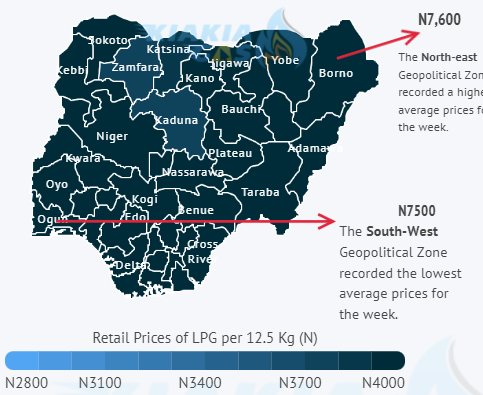
    • Inflation Rate and the LPG: Inflation has consistently fallen over the last eight months. It fell from 15.99% in October to 15.40% in November 2021, (See Illustration D). Coupled with the high prices of goods and services in the month of December 2021, the expected inflation rate is 17.01%. This is due to Xmas and New Year festive that are fast approaching. In April 2021, it fell from 18.12% to 17.93%. in May 2021 The composite food index reduced to 18.34% in October from 19.57% in September 2021, 20.57 per cent in January 2021, 20.30% in August 2021, and 15.48 per cent in July 2020, compared to 15.18 per cent in June 2020. For the month of May, a 15.4 per cent inflation rate is expected. The relaxation of the Covid-19 rule may have influenced the inflation rate trend.
     
    • Exchange Rate and the LPG: In line with widening discrepancies in the parallel market, the Central Bank of Nigeria's (CBN) adjusted the exchange rate to fine-tune the forex market. (Figure E). Movement in the exchange rate along the same line was increasing and ranged from 414.26 to 414.89/US$1 in the previous week. One of the factors that influence the price of LPG on the international market is the exchange rate. Since more LPG is imported, a lower exchange rate has little impact on the selling price of LPG on the local market.
     
    • Crude oil price and the LPG: The price of LPG is positively related to the price of crude oil since it is sometimes a by-product of crude oil. The Prices of crude oil in the international market reached their highest point before the end of the week, however, they ended on a fallen note (Figure F). The cost of LPG increases as the price of crude oil falls on the international market. This suggests a low LPG market price.
     
    • Foreign Reserves: The Nigerian Gross Foreign Reserve dropped from $40.52 billion to $40.49 billion last week. Despite a rise in the reserves, the exchange rate was ranged from 411.63 to 410.64 in the previous week. This is positively correlated to the crude oil prices that experienced a sharp fall at the end of the week. A decrease in the reserve might be a result of the reduction in the prices of crude oil over the preceding week.
     
    • PMI: The CBN Purchasing Managers Index (PMI) recorded overall growth in employment, business and inventory in the month of December while ordering in the category of supply for power, gas, steam and air conditioning remained stagnant while business operation & inventory were static in the same month at 45.7 per cent.
               
    • Covid-19: Covid-19 causes the demand for goods and services to fall due to the full or partial lock-down effect. The implication of the Covid-19 contracts the LPG market
    • Omicron Variant: A new strain of COVID-19 recently detected in southern Africa as a “variant of concern” by the World Health Organization is also no doubt causing concern among the world leaders. The implication of this variant contracts the LPG market if not curtailed early.


  • Reducing the effect of the Covid-19 and the Omicron variant entails more campaigns and public awareness of the virus as people are easily carried away and relaxing. Vaccines for Covid-19 and Omicron variant should be distributed without much delay if available.
 

The prices in the weeks to come may rise due to pressure on the supply of butane coupled with the increase in the price of goods and services in the country


The Nigerian LPG market is the next success story of the Global LPG industry, if you need a partner with a global perspective and local expertise in the Nigerian and African space, kindly book a free session with our team of experts to help you http://www.kiakiagas.com/book-session or write us an email at advisory@kiakiagas.com or Whatsapp: +2348085269328


Week
106

WEEK 105: LPG Insider Report

Submitted by kiakiagas on

In the immediately preceding week, the international prices for LPG sloped upward while domestic prices for LPG continue to fall

  • The international prices of LPG in the previous week continued to rise from the beginning and reached their maximum level towards the end of the week, however, it ended on a fallen note.
  • Depot prices continue to fall due to the federal government intervention to increase the local supply of LPG.
  • Due to the increase in the foreign markets price, the price gaps between prices at the depot level and those at the international level continue to be widened.
  • In the week under review, the price continues to decrease per kg of LPG and has been trending for the past few weeks.
  • Due to transportation costs and proximity to the coast, disparities in LPG retail pricing still exist across the country.           A daily feature of the Nigerian LPG market was regional variance in LPG prices across the country. Because of the in price speculation and living style, the LPG in South-West region has the highest price.      
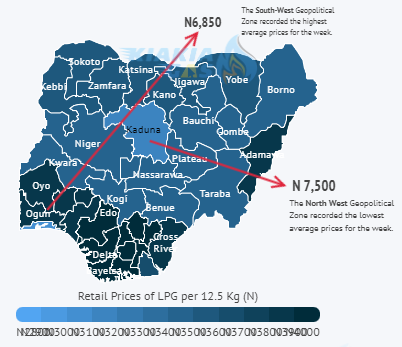
    • Inflation Rate and the LPG: Over the last 8 months, the rate of inflation has been steadily decreasing. It fell from 15.99% in October 2021 to 15.40% in November. The anticipated inflation rate for the month of December 2021 is 16.80%. The monetary measure put in place by the monetary authorities contributes to the fall in the rate of inflation trend. The composite food index reduced to 20.3% in August 2021 from 21.03% in July. It was 22.95% in March 2021 to 22.72% in April 2021, 20.57% in January 2021, 19.56% in December 2020, 15.48% in July 2020 compared to 15.18% in June 2020.
     
    • Exchange Rate and the LPG: The exchange rate continues to rise from the beginning to the end of the week. It ranged from 412.0 to 412.49 in the week due to the adjustment made by the CBN to stabilize the naira against the dollar. The exchange rate is one of the factors that influence LPG prices on the international market. A higher exchange rate would boost the price of LPG on the local market by a considerable amount. This means that the LPG market is in a state of flux, Figure E.
     
    • Crude oil price and the LPG: The relationship between LPG price and crude oil price remains positive, as a by-product of crude oil. Crude oil prices were at their lowest point at the end of the week after somewhat increases during the week. (Figure F). This shows that the price of crude oil has not been stable in the international market. This reflects variability in the market price for LPG.
     
    • Foreign Reserves: As in the previous week, the Nigerian Gross Foreign Reserve decreased slightly from $40.57 billion to $40.52 billion. This is due to the increase in supply of dollar from the reserve to stabilize the exchange rate.
     
    • PMI: The CBN Purchasing Managers Index (PMI) recorded overall growth in employment, business and inventory in the month of December while ordering in the category of supply for power, gas, steam and air conditioning remained stagnant while business operation & inventory were static in the same month at 45.7 per cent.        
  • Covid-19: Covid-19 causes demand for goods and services to fall due to the full or partial lock-down effect. The implication of the Covid-19 contracts to the LPG market
  • Omicron Variant: A new strain of COVID-19 recently detected in southern Africa as a “variant of concern” by the World Health Organization is also no doubt causing concern among the world leaders. The implication of this variant contracts the LPG market if not curtailed early.   Reducing the effect of the Covid-19 entails more campaigns and public awareness of the virus as people are easily carried away and relaxing. Vaccines for Covid-19 should be distributed without much delay if available.   The prices in the weeks to come may fall due to the increase in the local supply of LPG by the federal government

 

The Nigerian LPG market is the next success story of the Global LPG industry, if you need a partner with a global perspective and local expertise in the Nigerian and African space, kindly book a free session with our team of experts to help you http://www.kiakiagas.com/book-session or write us an email at advisory@kiakiagas.com or Whatsapp: +2348085269328  


Week
105
Subscribe to LPG