NIGERIAN GOVERNMENT POLICIES AND WHAT THEY MEAN FOR THE NIGERIAN GAS SECTOR
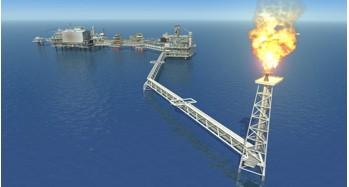
Gas is an exceptional energy source due to its origin, benefits, applications and its industry. Gas is a unique energy source. It serves households, businesses, and the environment as a clean, low-carbon, efficient, and innovative source of energy. Gas is widely utilized as an efficient fuel in a range of markets, including agriculture, recreation, hospitality, construction, sailing, and fishing sectors. On the 28th of June 2017, the Nigerian Federal Executive Council approved a new National Gas Policy (NGP) to replace the Nigeria Gas Masterplan of 2008. Nigeria has the 9th largest gas reservoir in the world, with proven reserves of 188 trillion cubic feet (tcf). The NGP aspires to transform Nigeria's economy from one reliant on crude oil exports to one based on gas. The NGP lays out the government's policy priorities and objectives for boosting gas investment as a revenue generator and economic growth driver.
The NGP points out that while the 2008 Gas Masterplan had some accomplishments, with the growth of 3.1 per cent per year, it only just kept up with Nigeria's national population growth of 2.8 per cent per year. This indicates that real-term increase in Nigeria's gas development was insufficient. The NGP, on the other hand, continues to focus on expanding its domestic market while also establishing a strong presence in international markets. The NGP aims to establish a governance structure that will focus on gas as a "stand-alone commodity" distinct from oil, and will address all legal, regulatory, institutional, commercial, and fiscal challenges that arise in the gas industry.
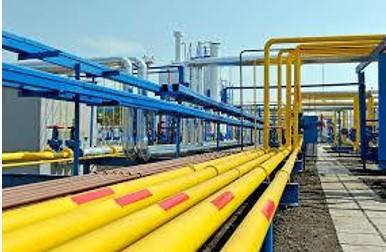
It also aims to create a clear market structure, encourage investments in both upstream and downstream gas processing and consumption by promoting the use of Liquefied Petroleum Gas (LPG), Natural Gas Liquids (NGL), and Compressed Natural Gas (CNG) for industrial and home purposes. The NGP considers current factors that may affect patronage of Nigeria's Liquefied Natural Gas (LNG), such as the possibility of shale gas development in China, stiff competition from Qatar, Abu Dhabi, Tanzania, and Australia, who are closer to LNG markets in the Pacific Basin, the Shale gas revolution in North America, the dominance of Trinidad and Tobago as an LNG supplier in South America, and the agitation and drive for renewable energy in Nigeria.
The NGP, on the other hand, lays out a strategy for overcoming these obstacles, stating that targeting African markets will provide a greater potential for Nigeria's LNG. The NGP provides a thorough outline of the government's policy goals and the steps it plans to take to achieve them. Reforms in the gas sector's governance (legislation and regulation), enforcement of domestic supply obligations, fiscal provisions, reworking of the industry structure with a focus on public-private partnerships, providing incentives and opportunities for investing in natural gas products like Natural Gas Liquids (NGL) and Liquefied Petroleum Gas (LPG), developing gas infrastructure, and building markets are just a few of these steps. The NGP recognises that Nigeria's current petroleum law, the Petroleum Act of 1969, is primarily focused on crude oil and does not handle gas as a separate commodity. This is exacerbated by the fact that there is no law in place to adequately regulate, produce, and utilise downstream gas. Despite the fact that the National Gas Policy so clearly defines the issues that the domestic LPG market faces, as well as potential remedies, the challenges persist. Nobody will develop jetties, distribution storages, LPG plants, or depot terminals if the roads for trucking are terrible, the railway system isn't ready, or the alternative fuel supply is still substantially subsidised. The government must take a leading role in fostering an enabling climate for any investment to succeed.
Benefit/Opportunities presented by the NGP
LPG is more energy-efficient than traditional fuels, as well as cleaner and less harmful to the ozone layer. Furthermore, it is plentiful throughout the country. Nigeria is rich in natural resources, with 198.7 trillion cubic feet (tcf) of gas estimated in November 2019 with a flare rate of 8.6% or 683 million standard cubic feet per day. The government intervened to replace traditional fuels with LPG in households because of the potential demand for LPG, the monetary loss experienced by gas flaring, and the poor health effects of using traditional fuels for residential cooking. It appeared to us at Kiakiagas that women and children suffer from the unfavourable health implications of using traditional fuels for domestic cooking. This is because children spend more time with their mother in the kitchen while preparing food for the family. This has necessitated a cogent reason why Kiakiagas which started off as an online LPG company, intervened in the LPG Company to save our environment from the devastating effect of the traditional fuels. Kiakiagas has grown to become the company of choice for safety services and procurement of LPG products that serve our clients in meeting the potential demand for the gas.
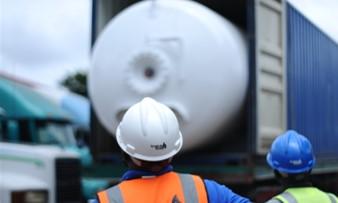
The federal government set a goal of switching 40 per cent of energy from gasoline, kerosene, and diesel to LPG. Under the terms of the agreement, efforts to encourage the use of LPG in automobiles, residences, power production, and industrial applications will be stepped up. To efficiently accelerate the move to LPG usage across the country, the government launched the LPG Expansion Programme. Being a strong beneficiary of government supporting programmes and a company that is well endowed with knowledge and technical know-how, Kiakiagas has engaged in services and LPG products procurement such as shipping, transporting and carrying out LPG feasibility studies for our clients to effectively drive the switch to LPG consumption across the country. Kiakiagas covers major cities in the six geo-political zones. Lagos, Ogun, Delta, Portharcourt, Abuja, Kaduna, Minna and Kwara were among the states where we have carried out a successful feasibility study for many of our clients and up to date all of them are flourishing in the gas business. We engage in this to ensure that we play our major part in promoting the wider use of LPG in vehicles, households, power generation and industrial applications which was designed by the federal government to reduce the national energy consumption of petrol and diesel by achieving a 40% fuel switch to LPG in 10 years.

Another government policy that gives more comfort to LPG investors in Nigeria's gas sector is the implementation of a new gas network code and a revised gas pricing regulation, as provided by the NGP, because there will be open access to gas facilities and infrastructure, as well as a more competitive price to encourage further investment and meet domestic demand. Kiakiagas advocates for greater use of LPG as cooking gas in homes, power generation, and industrial applications, with the goal of achieving five million metric tonnes of domestic use and 500,000 job opportunities nationwide in five years, as proposed by the government in the National Growth Plan. We recognise that the LPG Penetration Programme is one of Nigeria's planned nationally determined contributions to the Paris Agreement's goal of lowering yearly greenhouse gas emissions by 2030. Going by this, Kiakiagas with its ever trained experts engage in the real-time project monitoring of the LPG plant engineering works as well as procurement and maintenance of large gas facilities such as LPG tank, valve, pumping machine, digital reading meter, quality pipe and hose. We procure from international manufacturers that are Europe and American related companies such as Casper which produces high quality LPG equipment.
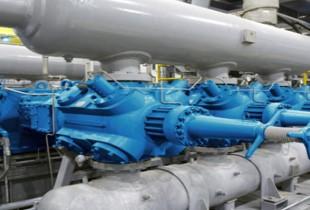
The NGP also states that the government wants to stimulate investment in innovative technology for capturing and using associated gas for power generation, replacing diesel with gas as a fuel source, and establishing small-scale or mini-LNG plants. Kiakiagas established an online LPG company, to introduce technology in LPG distribution around Lagos. By doing this, we have engaged mini-LPG plants owners to serve their community with clean cooking energy. Including technology in the distribution of LPG boosts sales and increases revenue. We have the technical know-how to make this happens. You are free to contact us at your convenient time to include technology in your LPG business as envisaged by the federal government through the NPG or drop an email to the address attached to the article.
Increased domestic gas processing and use for petrochemical plants, fertiliser plants, village power plants, embedded power plants, and transportation via Natural Gas Vehicles (NGV), LNG vehicles, and CNG transit by barge, rail, and/or road are all part of the NGP. We are ready at Kiakiagas to specifically put prospective investors through with our rich knowledge and experience in carrying out feasibility studies for alternative means of transportation using gas as a fuel.
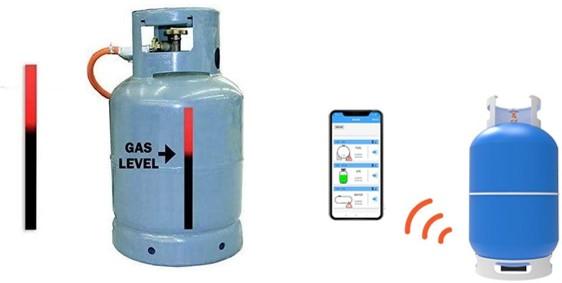
The Federal Government of Nigeria has committed to creating a legal, regulatory, investment, and operating environment that is favourable to gas investments and the development of viable markets for the use of gas, as well as the infrastructure required to deliver gas to these markets, as soon as possible, but no later than 2030. LPG investments are required to propel the market and expand its availability domestically. Investors, on the other hand, will be apprehensive until the market's legal and policy structure is standardised. This process might look complicated, however, with our knowledge, experience and cordial relationship with the government officials, Kiakiagas will easily get all the legal, regulatory, investment and operating papers for you while saving your resources and without you going through the stress. Kiakiagas possess LPG implementation skills with which you can have your papers and other necessary documentation that back up your proposed LPG plant from LPG regulating government agencies.
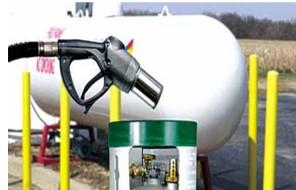
Moreover, government promised under the National Gas Expansion Plan to deliver at least one million autogas vehicle conversions by the end of 2025. At least half of these vehicles will be LPG-powered, necessitating investment in autogas filling stations and associated infrastructure. However, prospective investors must be familiar with the regulatory environment in order to operate in a profitable manner. Kiakiagas will guide and direct you to the next point of action after acquiring the necessary papers. We are good at what we do and we do not abandon our clients even after successful LPG plant implementation. Our reputation speaks for us in the gas industry.
Aside from the working loans provided a few months ago, the Nigerian Content Development & Monitoring Board (NCDMB) has finalised plans to launch a $50 million Research and Development Fund with the goal of achieving a target of 70% local content involved in the development of Nigeria's gas sector by 2027. However, it is one thing to offer financial support necessary for the survival of enterprises in the gas sector; it is quite another to back up this financial support with an enabling environment that promotes these companies' overall growth and progress.
Limitations to the Government Gas Policy
The Federal Government's efforts to boost the penetration of cooking gas, also known as Liquefied Petroleum Gas, among Nigerians may be jeopardised because of government regulations that have stymied the initiative's success.
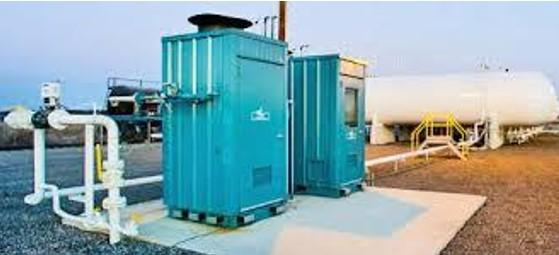
Government rules on foreign exchange have made it difficult for importers of cooking gas to obtain funds. The government's introduction of various levies, such as the Petroleum Products Pricing Regulatory Agency Charge on LPG; various Department of Petroleum Resources charges, and the recently introduced Value Added Tax, which is to be implemented by the Nigeria Customs Service on imported LPG with payment backdated, are all major roadblocks that are already in place to stifle the initiative that is gaining traction across the country.
Skid tanks have been installed in a number of rural regions where gas is supplied to the residents as part of the government's efforts to encourage Nigerians to participate in the programme. These measures would almost certainly drive up the price of the item, and many Nigerians who have already embraced the programme, particularly in semi-urban areas, may abandon the use of cooking gas in favour of firewood.
Policy Recommendation
To ensure that substandard products are removed from the LPG value chain, the Department of Petroleum Resources (DPR) should cooperate closely with the Standards Organisation of Nigeria (SON) to create effective monitoring on gas cylinder manufacturing and/or import across the LPG value chain. This will improve the safety of LPG usage and have a good impact on customer perception. This may entail prohibiting consumer ownership of gas cylinders, as the federal government originally advocated, and transitioning to market ownership. States should implement gas reticulation devices in metropolitan areas, as this will ensure customer safety and convenience.
The NGP and its policy tools, such as the Domestic LPG Penetration Program (DLPGPP), must focus on characteristics that will encourage families across the country to switch to LPG. While the investment provides indigenous contractors hope, it is also confirmation that enterprises that seek to adopt innovation and resilience, particularly in accordance with the oil and gas sector's local content mandate, will nearly always receive government backing.
Finally, as Nigeria prepares to expand its hydrocarbon sector with the launch of more than 100 oil and gas projects over the next five years, including 25 upstream projects, increased government support and an enabling business environment will be required to strongly motivate Nigerian gas companies, allowing them to significantly contribute to the economy's development through value addition, increased job opportunities, and superb execution of various projects.
Conclusion
Determining how and where to set up a cooking gas plant entails involving the regulatory body that represents the federal government and consulting an expert in the field. The Kiakiagas Nigeria limited with a reputable recommendation in setting up gas plants not only in LPG but also CNG/LNG, autogas, oxygen plants and shipping is the right and best to think of. Our team is up to task and we make use of imported materials as directed by the DPR. Our team has been trained to ensure that installations are made with the most up-to-date technologies. We can also help you obtain the necessary permits and ensure that all gas pumps and dispense systems are thoroughly certified and tested. Kiakiagas is a one-stop shop for all things gas, from pipeline to pump. As an added bonus for convenience stores, Kiakiagas carries leading gas pump and dispense equipment manufacturers such as Caspers
KiakiaGas Limited is a leading Gas business in Lagos, Nigeria with expertise in commercial gas pump and dispensers equipment, LPG retailing, New Gas Market development, Building of Gas Plants and Gas strategy advisory. Supply by KiakiaGas provides LPG products and equipment for corporate and institutional clients for the project and operational needs. If you need a partner with hands-on local expertise in the Nigerian Gas space or any of our bespoke solutions/services, kindly Mail hello@kiakiagas.com to learn more.