How Russia-Ukraine War Affects Nigeria's LPG Trade
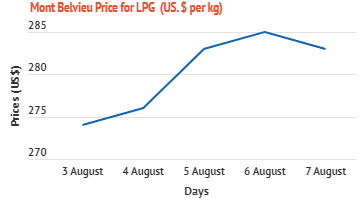
On February 24, 2022, Russia attacked Ukraine in a number of different ways. The European Union is frantically looking for other energy sources to replace Russia's fossil fuels as a result of the invasion. LPG price, a composite function of the oil price, have skyrocketed as a result of Russia's invasion of Ukraine, which has also adversely affected other industries such as maritime, aviation, tourism, and sports. Energy-related payments are now exempt from financial sanctions placed on Russia by the US, EU, UK, and other countries, which should allow for the continuation of payments under current contracts. Nevertheless, many global trading firms are avoiding doing new business with Russia. Because insurers are either refusing to cover ships or demanding exorbitant premiums, charterers may decide not to remove LPG cargoes from the region, which may lead them to look for alternative sources of supply. Making payments for port fees, insurance, etc. will be challenging for Russian businesses without access to the global banking system. Following the invasion, there have been reports of shelling on several cargo ships in the Black Sea.
Nigeria-Ukraine-Russia Trade Relationship
Nigeria imported $156 million worth of goods from Ukraine in 2020, according to the United Nations COMTRADE, while the country's top exports to Nigeria were iron and steel ($125 million), sugars and sugar confections ($8.1 million), and pharmaceuticals ($7.6 million). But since the 1960s, Russia and Nigeria have had diplomatic ties that are reciprocal. Because Russia is an oil-producing country as well, it is reported that Russian trade volume with Nigeria was $600 million in September 2021.
Russia-Ukraine War Effects on the Nigeria's LPG Trade
The invasion of Ukraine by the Russia has consequently caused global changes in crude oil prices, which have a direct impact on fuel prices. As a result, the higher crude oil prices are, the more likely it is that gas prices will increase. The effect of the Russian - Ukraine conflict on Nigeria's LPG trade is looked into in further detail by Kiakiagas (KKG) Nigeria.
There has been an increase in energy prices and subsidies for Nigeria, which is unquestionably Africa's largest and most populous country, with a population of 213 million and an estimated GDP of 45 trillion naira (115 billion USD) as of the third quarter of 2021. This increase is also related to the ongoing Russia-Ukraine war. With the second-biggest proven oil reserves on the continent and the seventh-largest oil exporter in the globe in 2020, the nation is Africa's largest producer of crude oil. Oil worth $30 billion was exported, or about 4.68% of the total.
In contrast to previous years when the Liquefied Petroleum Gas (LPG) was perceived as the privilege of the wealthy, LPG as a clean energy has progressively gained popularity among Nigerians with low incomes during the past seven years. There is no way that the rising cost of diesel plus the fact that gas is transported by truck, which needs diesel to move, won't have an impact on the price. If Nigeria was generating enough LPG, the rise in LPG prices would have been beneficial for the country. Because it would be more expensive to import, an increase in the price of LPG also entails an increase in the cost of cooking gas in Nigeria. Everyone in the globe is negatively impacted by this pressure, but Nigeria is particularly negatively affected because it lowers their level of living and their purchasing power. Market participants have expressed some worry about how the Russian invasion of Ukraine will affect the LPG market.
Prices have unquestionably increased because the subsequent petroleum products that emerge from the refinery similarly increase in price when crude prices do. Nigeria therefore makes more money from exporting crude, but because it depends completely on crude, the country also loses money from importing, perhaps much more so. Consumers must spend up to N9,400 to refill a 12.5 kg cooking gas cylinder, up from the N7,500 they had spent in the previous eight months. For instance, the cost to refill a 12.5 kilogram cooking gas cylinder has increased from N7,500 to N9,500 in some districts of northern, southeast, and southern Nigeria. Many Nigerian households and businesses are being forced by the circumstances to look for alternative sources of fuel for cooking. In February 2022, the Nigerian LPGas market's consumption volume continued to decline. Year to Date (YTD) volume was 163 Kilotonnes (kT) at the end of February 2022, down 19% from the same time last year.
The two nations that supply Nigeria with the majority of its refined oil import a sizable amount of their crude from Russia, just like the majority of Europe. As a result, Nigeria's supply of refined petroleum was temporarily disrupted. Nigeria's ability to produce oil has been jeopardized over time because of its inability to locally refine crude oil for domestic use. By 2030, the nation wants to cut greenhouse gas (GHG) emissions by at least 47%. One of the nation's nationally determined contributions (NDCs) under the Paris Agreement is to cut fugitive emissions from oil and gas production by 60% by 2031.
Due to the current economic uncertainty, investors would adopt a cautious stance, which will significantly restrict access to loans from the foreign debt market. Due to increasing interest rates in advanced countries, the nation also runs the possibility of having to pay more to service its debt. There have also been substantial macroeconomic effects, such as a widened budget deficit, rising debt levels, an increase in debt service obligations, and an expansion of the money supply that has both prompted the local currency's devaluation and intensified inflationary pressures. More importantly, the price of bread, confectioneries, and wheat could increase as well, which could spark a conflict and have negative effects on the on the volume of LPG purchased to cook these food items.
Due to the violence in the region, oil supplies would be disrupted, production would be reduced, and prices would rise. Russia is recognized to be the second-largest producer of oil in the world. Nigeria is not an exception; the impact of the rising oil price, which is already over $100 per barrel, is already being felt globally. LPG would experience dramatic price hikes, and gas would also experience the same destiny. Additionally, if these expenses increased, there would be significant inflationary effects on all facets of the economy.
As it gets ready for future Russian supply cuts, the European Union is looking to Nigeria for additional gas supplies. There is potential to more than treble the 14% of gas that the EU currently imports from Nigeria. Gas producer Nigeria LNG Ltd.'s terminal at Bonny Island is only working at 60% capacity due to theft and pipeline damage, which is stifling Nigeria's gas supply. Nigeria is reopening the Trans Niger pipeline to increase gas supplies to Europe while also enhancing security in the Niger Delta. The largest African suppliers of liquefied petroleum gas to Europe are Nigeria and Algeria. Italy, through its Premier Mario Draghi, reached an agreement with Algeria over a Mediterranean pipeline to increase its imports of gas.
Way Forward
It is terrible that Nigeria, the country with the greatest proven oil reserves in Africa, imports fuel and, most recently, fuel tainted with adulterants. It is also necessary for Nigerian political leaders to begin investing in their own infrastructure. Nigeria needs to make better use of its gas resources. To combat its problems with epileptic power supply, the nation should develop it as a source of domestic energy production if it is unable to provide its neighbors. We hope Nigeria takes note of the Russian-Ukrainian situation and strives to compete on the world gas markets. Nigeria may increase its gas exports to Europe and attempt to take some of the market share that Russia is currently giving up as a result of sanctions. Therefore, there may be a chance for Nigeria. Building gas pipe infrastructures is crucial if Nigeria wishes to export gas, one method of export gas transportation.
KiakiaGas Limited is a leading Gas business in Lagos, Nigeria with expertise in commercial gas pump and dispenses equipment, LPG retailing, New Gas Market development, Building of Gas Plants and Gas strategy advisory. Supply by KiakiaGas provides LPG products and equipment for corporate and institutional clients for the project and operational needs. If you need a partner with hands-on local expertise in the Nigerian Gas space or any of our bespoke solutions/services, kindly Mail hello@kiakiagas.com to learn more.to learn more.
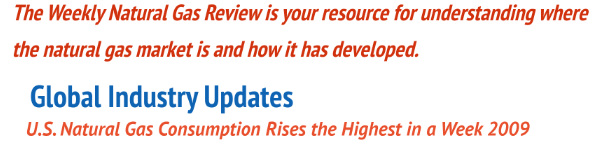


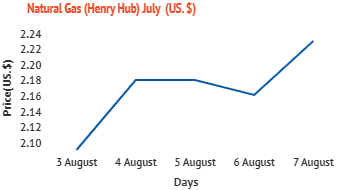
 Close to six months after the coronavirus caused a slowing down of economic activities in the US., analysts say U.S. liquefied natural gas (LNG) exports are on track to rise in August. Based on data from Refinitiv and comments from analysts, the rise in exports is raising U.S. gas export prices by over 15% to a three-month high.
The trend of falling prices of natural gas has been around for some time. Starting from the coming into operation of a number of gas processing facilities around the world in 2019, making high supplies available to the market alongside the warm winter that was recorded in Europe in which made sevral utilities to keep high volumes of gas storgae.
Currently, natural gas "stockpiles in the United States and Europe are now expected to reach all-time highs at the end of the summer injection season." Reuters reports.
Close to six months after the coronavirus caused a slowing down of economic activities in the US., analysts say U.S. liquefied natural gas (LNG) exports are on track to rise in August. Based on data from Refinitiv and comments from analysts, the rise in exports is raising U.S. gas export prices by over 15% to a three-month high.
The trend of falling prices of natural gas has been around for some time. Starting from the coming into operation of a number of gas processing facilities around the world in 2019, making high supplies available to the market alongside the warm winter that was recorded in Europe in which made sevral utilities to keep high volumes of gas storgae.
Currently, natural gas "stockpiles in the United States and Europe are now expected to reach all-time highs at the end of the summer injection season." Reuters reports.