How Russia-Ukraine War Affects Nigeria's LPG Trade

Submitted by kiakiagas on


On February 24, 2022, Russia attacked Ukraine in a number of different ways. The European Union is frantically looking for other energy sources to replace Russia's fossil fuels as a result of the invasion. LPG price, a composite function of the oil price, have skyrocketed as a result of Russia's invasion of Ukraine, which has also adversely affected other industries such as maritime, aviation, tourism, and sports. Energy-related payments are now exempt from financial sanctions placed on Russia by the US, EU, UK, and other countries, which should allow for the continuation of payments under current contracts. Nevertheless, many global trading firms are avoiding doing new business with Russia. Because insurers are either refusing to cover ships or demanding exorbitant premiums, charterers may decide not to remove LPG cargoes from the region, which may lead them to look for alternative sources of supply. Making payments for port fees, insurance, etc. will be challenging for Russian businesses without access to the global banking system. Following the invasion, there have been reports of shelling on several cargo ships in the Black Sea.

Nigeria-Ukraine-Russia Trade Relationship

Nigeria imported $156 million worth of goods from Ukraine in 2020, according to the United Nations COMTRADE, while the country's top exports to Nigeria were iron and steel ($125 million), sugars and sugar confections ($8.1 million), and pharmaceuticals ($7.6 million). But since the 1960s, Russia and Nigeria have had diplomatic ties that are reciprocal. Because Russia is an oil-producing country as well, it is reported that Russian trade volume with Nigeria was $600 million in September 2021. 

Russia-Ukraine War Effects on the Nigeria's LPG Trade

The invasion of Ukraine by the Russia has consequently caused global changes in crude oil prices, which have a direct impact on fuel prices. As a result, the higher crude oil prices are, the more likely it is that gas prices will increase. The effect of the Russian - Ukraine conflict on Nigeria's LPG trade is looked into in further detail by Kiakiagas (KKG) Nigeria. 


There has been an increase in energy prices and subsidies for Nigeria, which is unquestionably Africa's largest and most populous country, with a population of 213 million and an estimated GDP of 45 trillion naira (115 billion USD) as of the third quarter of 2021. This increase is also related to the ongoing Russia-Ukraine war. With the second-biggest proven oil reserves on the continent and the seventh-largest oil exporter in the globe in 2020, the nation is Africa's largest producer of crude oil. Oil worth $30 billion was exported, or about 4.68% of the total.

In contrast to previous years when the Liquefied Petroleum Gas (LPG) was perceived as the privilege of the wealthy, LPG as a clean energy has progressively gained popularity among Nigerians with low incomes during the past seven years. There is no way that the rising cost of diesel plus the fact that gas is transported by truck, which needs diesel to move, won't have an impact on the price. If Nigeria was generating enough LPG, the rise in LPG prices would have been beneficial for the country. Because it would be more expensive to import, an increase in the price of LPG also entails an increase in the cost of cooking gas in Nigeria. Everyone in the globe is negatively impacted by this pressure, but Nigeria is particularly negatively affected because it lowers their level of living and their purchasing power. Market participants have expressed some worry about how the Russian invasion of Ukraine will affect the LPG market.


Prices have unquestionably increased because the subsequent petroleum products that emerge from the refinery similarly increase in price when crude prices do. Nigeria therefore makes more money from exporting crude, but because it depends completely on crude, the country also loses money from importing, perhaps much more so. Consumers must spend up to N9,400 to refill a 12.5 kg cooking gas cylinder, up from the N7,500 they had spent in the previous eight months. For instance, the cost to refill a 12.5 kilogram cooking gas cylinder has increased from N7,500 to N9,500 in some districts of northern, southeast, and southern Nigeria. Many Nigerian households and businesses are being forced by the circumstances to look for alternative sources of fuel for cooking. In February 2022, the Nigerian LPGas market's consumption volume continued to decline. Year to Date (YTD) volume was 163 Kilotonnes (kT) at the end of February 2022, down 19% from the same time last year.

The two nations that supply Nigeria with the majority of its refined oil import a sizable amount of their crude from Russia, just like the majority of Europe. As a result, Nigeria's supply of refined petroleum was temporarily disrupted. Nigeria's ability to produce oil has been jeopardized over time because of its inability to locally refine crude oil for domestic use. By 2030, the nation wants to cut greenhouse gas (GHG) emissions by at least 47%. One of the nation's nationally determined contributions (NDCs) under the Paris Agreement is to cut fugitive emissions from oil and gas production by 60% by 2031. 


Due to the current economic uncertainty, investors would adopt a cautious stance, which will significantly restrict access to loans from the foreign debt market. Due to increasing interest rates in advanced countries, the nation also runs the possibility of having to pay more to service its debt. There have also been substantial macroeconomic effects, such as a widened budget deficit, rising debt levels, an increase in debt service obligations, and an expansion of the money supply that has both prompted the local currency's devaluation and intensified inflationary pressures. More importantly, the price of bread, confectioneries, and wheat could increase as well, which could spark a conflict and have negative effects on the on the volume of LPG purchased to cook these food items.


Due to the violence in the region, oil supplies would be disrupted, production would be reduced, and prices would rise. Russia is recognized to be the second-largest producer of oil in the world. Nigeria is not an exception; the impact of the rising oil price, which is already over $100 per barrel, is already being felt globally. LPG would experience dramatic price hikes, and gas would also experience the same destiny. Additionally, if these expenses increased, there would be significant inflationary effects on all facets of the economy.

As it gets ready for future Russian supply cuts, the European Union is looking to Nigeria for additional gas supplies. There is potential to more than treble the 14% of gas that the EU currently imports from Nigeria. Gas producer Nigeria LNG Ltd.'s terminal at Bonny Island is only working at 60% capacity due to theft and pipeline damage, which is stifling Nigeria's gas supply. Nigeria is reopening the Trans Niger pipeline to increase gas supplies to Europe while also enhancing security in the Niger Delta. The largest African suppliers of liquefied petroleum gas to Europe are Nigeria and Algeria. Italy, through its Premier Mario Draghi, reached an agreement with Algeria over a Mediterranean pipeline to increase its imports of gas.

Way Forward

It is terrible that Nigeria, the country with the greatest proven oil reserves in Africa, imports fuel and, most recently, fuel tainted with adulterants. It is also necessary for Nigerian political leaders to begin investing in their own infrastructure. Nigeria needs to make better use of its gas resources. To combat its problems with epileptic power supply, the nation should develop it as a source of domestic energy production if it is unable to provide its neighbors. We hope Nigeria takes note of the Russian-Ukrainian situation and strives to compete on the world gas markets. Nigeria may increase its gas exports to Europe and attempt to take some of the market share that Russia is currently giving up as a result of sanctions. Therefore, there may be a chance for Nigeria. Building gas pipe infrastructures is crucial if Nigeria wishes to export gas, one method of export gas transportation.


KiakiaGas Limited is a leading Gas business in Lagos, Nigeria with expertise in commercial gas pump and dispenses equipment, LPG retailing, New Gas Market development, Building of Gas Plants and Gas strategy advisory. Supply by KiakiaGas provides LPG products and equipment for corporate and institutional clients for the project and operational needs. If you need a partner with hands-on local expertise in the Nigerian Gas space or any of our bespoke solutions/services, kindly Mail hello@kiakiagas.com to learn more.to learn more.
 

Short Dive Into the LPG Price Hike

Submitted by kiakiagas on

“People don dey reduce how much dem dey buy normally” said a gas retail shop operator in Lagos when asked about how the market had fared in recent times. He reported that this was due to the rising cost of LPG in the country. During the period between mid-2020 and October 2020, a 12.5 kg cylinder of Liquefied Petroleum Gas (LPG) could be refilled for 3,000 naira in some parts of Lagos. By December of 2020, that price had increased by 1,000 naira. According to the 2018 National Demographic and Health Survey(NDHS), the average Nigerian household size is 4.7 persons, which we would round up to 5 for the purpose of ease(since it’s not possible to have 0.7 person). Let us assume this family of 5 (2 parents and 3 children) uses only 12.5kg of gas in a month and earn a household income of 50,000 naira. This increase in LPG price would require that household to spend 8% of its income on LPG alone. Considering the fact that the average Nigerian household spends 56% of its income on food, we can say 64% of such a family’s income would be spent on food and its complementary cooking fuel, leaving just 36% (i.e. 18,000 naira) for other activities. This illustration shows why the hike in LPG price is undesirable for the average low income Nigerian household using LPG.


Why Does the Nigerian LPG Price have wings?


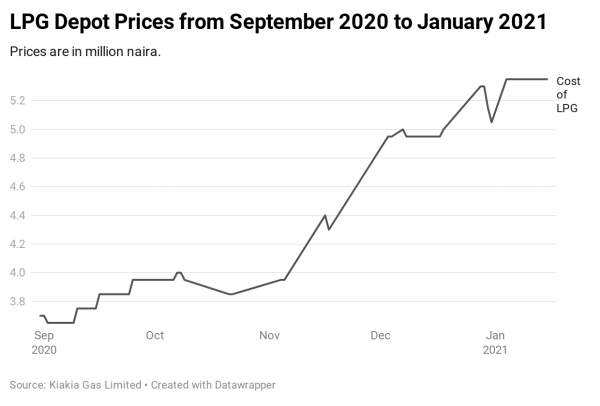
Taking a look at the Kiakia Gas Insider Report, one would see that cost of LPG at the depots in Nigeria grew from 3.7 million naira for 20 Metric Tons (MT) in September 2020 to over 5.35 million naira per 20 MT of the product in January 2021. There was a net rise between September 2020 and November 2020, but from November 2020, the price of LPG at the depot rose rapidly. In the space of three months, the cost of LPG from the depot increased by 1.5 times. And this cost is passed on to consumers such that a kilogram of LPG which cost 280 naira in November, and cost 350 naira  in January, 2021. This is an experience common to LPG users due to the deregulation of the LPG industry i.e. the government does not fix the price of LPG, leaving it to rise and fall based on market forces.

In understanding why the price of LPG rose, we need to understand some factors that determine the cost of LPG in Nigeria. Firstly, we shall look at the source of LPG in Nigeria. Nigeria is a country blessed with oil and gas resources. There has been the recent realization that Nigeria is a “gas country”, which means we have considerably more natural gas reserves than crude oil reserves in Nigeria. Nigeria has the 8th largest natural gas reserves globally – but we should note that we do not produce much from our gas field. Most of the natural gas in Nigeria is derived from Associated Gas (i.e. Gas derived alongside crude oil during crude oil extraction from oil wells). To this end, Nigeria is not yet living up to her potential as a gas country.

LPG is a mixture of propane and butane, and these two gases are extracted when drilling for oil or natural gas. Therefore, LPG is a by-product of crude oil separation and distillation, as well as a product of natural gas processing. In Nigeria, most gas products – including LPG, from the upstream operations are channeled to the Nigeria Liquefied Natural Gas Limited (NLNG), which then sells the gas to its customers. The NLNG exports LPG and supplies local market operators. Here comes a challenge: the NLNG planned to allocate 350,000 MT of LPG to Nigeria in 2020, but Nigeria consumed over 1 million MT of LPG in 2020. This amount dwarves in comparison to what the country needs, hence Nigeria depends on foreign partners to supply her LPG. Simply put, although we produce LPG in Nigeria, most of the LPG used in Nigeria is imported.


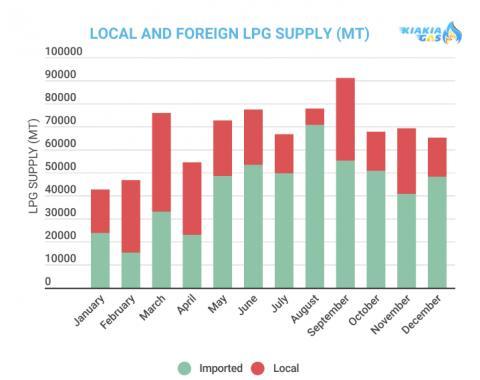
The figure above shows the source of LPG supplied to Nigeria in 2019. In 2019, 300,000 MT out of the 800,000 MT of LPG locally consumed was supplied locally (NLNG), while the rest was imported from various countries. This means that over 60% of the LPG used in Nigeria in 2019 was imported, placing our price dependence on our foreign suppliers. It should be noted that, from data available, just a little over 50% of LPG consumed in Nigeria in 2020 was supplied by foreign suppliers; thus showing a gradual reversal in our dependence on foreign suppliers for LPG.[O1]  From this, we can deduce that the LPG price at the depots in Nigeria is still heavily influenced by the foreign markets. LPG in Nigeria is actually priced using the Mont Belvieu (Texas) LPG spot price. Mont Belvieu is a town in Texas, hosting the major LPG hub in North America.

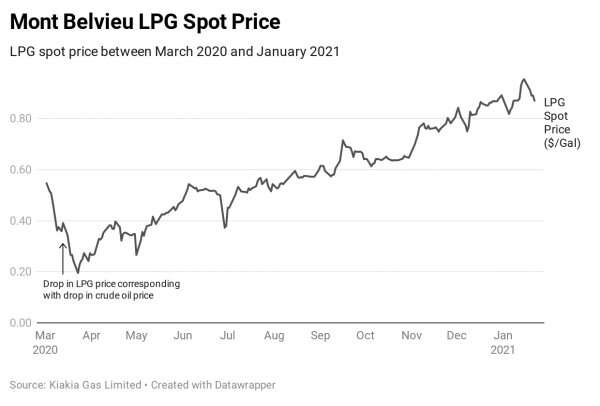
It should be noted that in 2019, the United States of America supplied 70% of Nigeria’s imported LPG, giving credence to why our LPG prices are hinged to the Mont Belvieu price. Generally, being a hydrocarbon product, global LPG prices also follow the trend of global oil prices such that when the price of crude oil fell in March 2020 due to the lockdowns induced by the Covid-19 pandemic, the price of LPG also experienced decline. Considering this, one might have thought that as the price of crude oil was returning to its pre-covid value, the same would occur to the price increase of LPG. One might also consider the naira lost value against the dollar over the past few months, thereby increasing the naira value of pre-covid LPG price, but that was not the case. This line of thought proves false as the price of LPG quickly recovered from the decrease in March. Also, the value of the naira has been relatively steady in the past couple of months as well. This shows the cause of the high price increase would be found elsewhere.


An examination of the journey of the Mont Belvieu LPG price shows that it has been steadily rising since through most of 2020, and was priced at $0.88/gallon on the third week of January. This translates to a value of 172 naira per kilogram of LPG. 4 months ago, it was 138 naira. This rise in price has translated to the spike in LPG prices which has been observed in Nigeria. It is clear that this spike in LPG price is from the source, not from local suppliers.

The reason Mont Belvieu prices have gone high is due to the increase in gas demand during the winter season. This price hike can be traced back to increase in demand due to winter. LPG is used as a heating fuel in a few homes (less than 10% of the United States (U.S.) population in 2011).  This increase in demand has led to a price increase in the cost of LPG. While local U.S. demand has increased, export demand has increased as well, coupled with shipping challenges in the Panama Canal. Another aspect to consider is the relatively low LPG inventories in the United States. If the winter gets colder, then demand will increase, causing a further hike in the price. These factors explain why the cost of LPG has skyrocketed in this few months. It should also be noted that suppliers in the United States would supply local demand before meeting foreign demand, which is likely to cause intermittent lack of LPG at the Nigerian depots.


Going Forward

As mentioned at the beginning of this article, LPG operators and users have not been favorably disposed to the current rise in LPG prices and that has affected the quantity purchased by some households. We may not be able to control the trend of LPG spot prices at Mont Belvieu, but we can control the trend of LPG prices in Nigeria if we can get 100% of our LPG supply from local LPG suppliers e.g. NLNG, & Bonny River Terminal. This would require investment in oil and gas field with LPG supply as a major purpose, as well as investment in maritime/pipeline infrastructure to transport the necessary quantity to different locations within the country. The NLNG, for instance, would need to increase their supply allocation to Nigeria, as well as increase their delivery fleet (the NLNG currently has only one LPG cargo vessel). It is therefore pertinent that investments are directed to develop local upstream LPG infrastructure is developed to enable Nigerian households - most of which earn low-incomes, hence are price sensitive – use LPG without having to intermittently use dirty fuels because they can’t afford LPG in that period.


KiakiaGas Limited is a leading Gas business in Lagos,Nigeria with expertise in LPG retailing, New Gas Market development, Building of Gas Plants and Gas strategy advisory
If you need a partner with hands-on local expertise in the Nigerian Gas space or any of our bespoke solutions/services, write us at gaspreneur@kiakiagas.com or call/Whatsapp: +2348085269328


AfCFTA and its potential for oil and gas producing countries in Africa: The case of Nigeria, Angola, Algeria, Libya and Egypt

Submitted by kiakiagas on

Introduction


Africa is well endowed with minerals, including fossil fuels. The AfCFTA is the first step in implementing the 2063 AU Agenda: a vision for an Africa that is united, stable and peaceful. The African Continental Free Trade Agreement (AfCFTA) would encourage major extra investment in the oil and power industries of Africa. The AfCFTA envisages a single continent-wide market for products and services with free movement of individuals and investments. If successfully executed, an immense single market will be created by the AfCFTA, which today has 1.3 billion consumers. The AfCFTA seeks to increase intra-African trade by phasing out tariff and non-tariff barriers, improving competition and developing all the sectors of the economy including oil and gas sector in Africa.

The Oil and gas sector includes upstream, midstream and downstream. Upstream operations include searching and drilling of natural gas reserves or crude oil fields underwater and underground. Midstream operations includes oil and gas transportation, storage, and refining while downstream operations involve refining during the upstream process and the marketing and commercial distribution of natural gas, diesel oil, ethanol, petrol, lubricants, petroleum, jet fuel, asphalt, heating oil, liquefied petroleum gas (LPG) and a host of other types of petrochemicals.


Overview of the Top 5 Oil & Gas Producing Countries in Africa


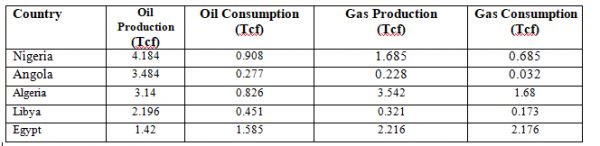
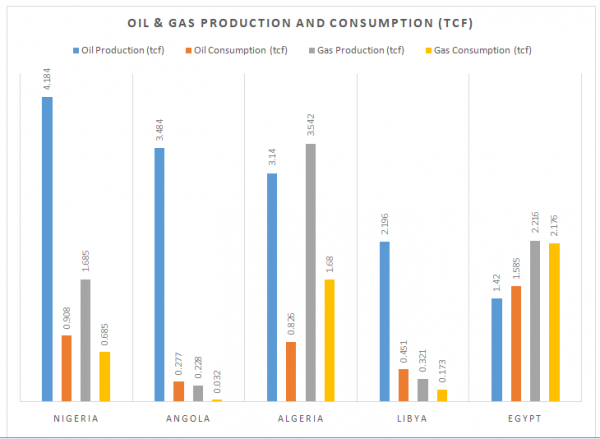
Nigeria is Africa's largest producer of oil. It holds the largest reserves of natural gas on the continent and was the world's fifth largest exporter of liquefied natural gas (LNG) in 2018. According to the Department of Petroleum Resources, Nigeria had an estimated of 203.16 trillion cubic feet (Tcf) of proven natural gas reserves by the end of 2020. Nigeria has the largest reserves of natural gas in Africa. Nigeria produced 1,685 Tcf of dry natural gas in 2019, according to the latest EIA estimates (Table 1). Nigeria exports natural gas mainly as LNG. Infrastructure and demand constraints are challenges for exports mainly by pipeline to neighboring countries.


Angola: Following Nigeria, Angola is the second-largest oil producer in Africa. The crude oil and natural gas sector accounted for about 30 percent of the country's gross domestic product (GDP), 95 percent of total exports, and about 52 percent of total fiscal revenue in 2017, according to the African Development Bank (AfDB). In 2017, around 1.55 million b/d of crude oil was exported by Angola, most of which went to the Asia-Pacific region. Angola holds an estimated 10.9 trillion cubic feet (Tcf) of proved natural gas reserves, produces 0.228 Tcf of dry natural gas in 2019 and consuming (Table 1)


Algeria: In the beginning of 2018, Algeria kept an estimated 12.2 billion barrels (b) of proved crude oil reserves. In 2017, Algeria produced an approximate average of 1.0 million b/d of crude oil and the output of other liquids averaged more than 1.6 million b/d. Algeria exported about 580,000 b/d of crude oil in 2017.France and the United Kingdom were the largest export destination countries by volume, importing 92,000 b/d and 82,000 b/d, respectively. According to the EIA, Algeria’s gross natural gas production was 3.542 Tcf in 2018. Algeria exported approximately 2.0 Tcf of natural gas in 2016, of which approximately 1.4 Tcf was transported via pipelines.


Egypt is Africa's largest non-OPEC oil producer and the third-largest producer of dry natural gas on the continent. As a result of rising domestic demand and decreasing output levels, Egypt became a net natural gas importer in 2015. Egypt has approximately 65.2 trillion cubic feet (Tcf) of proven natural gas reserves at the end of 2016, an improvement from the 2010 estimate of roughly 59 Tcf and the fourth largest in Africa.


Libya holds the largest proven reserves of crude oil in Africa, the fifth largest proven reserves of natural gas on the continent, and has been a significant contributor to the global supply of medium, sweet (low sulfur) crude oil in recent years, which Libya primarily exports to European markets. Typically, most of Libya’s crude oil is sold to European countries. In 2014, about 84% of Libya’s crude exports were sent to Europe. Libya’s dry natural gas production 0.321 trillion cubic feet (Tcf) in 2018while consuming a total volume of 0.173 Tcf.


Table 1: 2018 Oil & Gas Production and Consumption in Trillion Cubic feet (Tcf)

Source: EIA 2021


Figure 1: 2018 Oil & Gas Production and Consumption in Trillion Cubic feet (Tcf)

Source: EIA 2021


POTENTIAL OF AFCFTA FOR THE MAJOR OIL AND GAS PRODUCING COUNTRIES


Creating the largest single market of about 1.2 billion energy consumers: The establishment of the AfCFTA which has kicked off on 1st of January 2021 has the potential to open a booming market for the oil &gas producing countries in Africa. This market is estimated to involve more than 1.2 billion population in Africa who cannot do without consuming energy either for cooking, lighting and fuelling industries for the production of manufacturing products. Africa is also known as a continent that has major force work in the Agricultural sector. Providing energy to aid the large commercialization of farming, this will expand the oil and gas market to create more revenue for the oil producing countries. Households who are familiar with the use of dirty energy for cooking will be exposed and enlightened through the market established by the AfCFTA. This will increase the market demand of the LPG in the market.


Increase real wages for both skilled and unskilled workers in oil and gas sectors: Real wage is the quantity of goods and services that the amount paid to the workers in the oil and gas sector can buy at a given period of time. Expansion in the oil and gas market through AfCFTA will increase the revenue accrued to the sector. This will enable the sector to also motivate oil and gas workers by increasing the nominal wages and expand the real wages of the skilled and unskilled workers in the sector. Increase in capacity to buy more goods and services by the oil workers means that more money will be available for health care, feeding and shelter, payment of children school fees at ease and increased in saving. This will increase the standard of living of the workers and also increase the workers’ efficiency. Their morale to increase marginal product in the oil and gas sector as a result of additional wages they received will be boosted.


Increasing innovation and invention to boost oil and gas production, distribution and efficiency: The established market through the AfCFTA will result in the oil and gas producing countries in Africa to compete and divide the market share among themselves. The country that has advanced technology to deliver oil and gas with the fastest means of payment may gain larger market share. This will force other players in other countries to engage their skilled workers in research and development by devising faster way to transport large quantity of oil and gas to consumers in the market.


Conclusion

AfCFTA and its potential for oil and gas producing countries in Africa has been analysed. It is observed that with the production capacity of the countries producing oil and gas in Africa, they still export their oil and gas to the western and eastern part of the world. Such exporting volume could now be sold at AfCFTA market without spending more on transportation cost and at custom free duty. These countries will generate more revenue and more gas will be saved from flaring. However, with ever-increasing new oil and gas discoveries in Ghana, Tanzania, Mozambique and Uganda, for example and prospective fields in several countries like Sierra Leone, Mali, Kenya), the oil and gas sector still provides a unique opportunity that can be exploited.


Impact of AfCFTA on Human Capital Development in the Nigeria oil and gas sector

Submitted by kiakiagas on

INTRODUCTION

The African Continental Free Trade Area (AfCFTA) is being established by the fifty-four Member States of the African Union (AU) to create a single continent-wide market for goods and services and to facilitate the movement of capital and persons. The African Continental Free Trade Area Agreement (AfCFTA) will create the world's largest free trade area, based on the number of participating countries. The deal ties 1.3 billion individuals with a cumulative Gross Domestic Product (GDP) estimated at US$3.4 trillion across 55 countries. It has the potential to lift 30 million people out of extreme poverty, but attaining its full potential would depend on major economic changes and trade facilitation initiatives put in place. The AfCFTA has the potential to boost intra-Africa trade, promote industrialization, trade, job creation, and unleash regional value chains to facilitate Africa’s meaningful integration into the global economy. The AfCFTA will also improve the prospects of Africa as an attractive investment destination. It will help advance the empowerment of human resources, by improving access to trade opportunities.


On July 7, 2019, Nigeria signed the AfCFTA agreement in Niamey during the 12th extraordinary session of the Assembly of the African Union. Having consulted various trade groups, the country observed that there is more to gain from increasing access to its goods and services to a wider African market. Nigeria is the world's sixth biggest producer of crude oil. The bulk of crude oil exploration and production is concentrated in the Niger Delta. Over 95% of the country's foreign revenue and about 80% of its government revenue is generated by its oil and gas industry. According to the International Labour Organisation over 65,000 direct jobs are generated in Nigeria by the oil and gas industry alone, and more than 250,000 in non-direct employment. The 61 Operating companies in the Nigerian Oil & Gas Industry Content Joint Qualification System (NOGICJQS) have a combined staff strength of 11,057 comprising 10,393 (94%) Nigerians and 664 (6%) expatriates. Out of the 61 operating companies the top 4 companies in terms of staff strength account for 86% and have a total workforce as shown below:


  1. Mobil Producing Nigeria Unlimited: 3,253; comprising Nigerians 3,029, expatriates 224
  2. Chevron: 2,961; comprising Nigerians 2,736, Expatriate 225
  3. Shell Petroleum Development Company: 2,178; comprising Nigerians 2,100 and Expatriate 78
  4. Nigeria Agip: 1,088; comprising Nigerians 1,043 Expatriate 45

In line with the report provided by the Nigerian Content Development & Monitoring Board (NCDMB), between 2015 and 2019, the human capital training in the oil and gas sector involved 1,612 youths covering the following skill areas:

• 1,000 youths in Oil Spill Management and Environmental Remediation Training (OSMERT)

• 15 youths in Machinist

• 10 youths in underwater welding

• 80 in Geosciences

• 22 in pipe mill operations

• 90 in artisanal trades

• 145 in poultry agribusiness

• 250 in Teachers’ curriculum Development

NCDMB funds and promotes trainings and human capital development across the oil and gas value chain in Nigeria. Oil and gas sector has three main key areas that include upstream, midstream and downstream

  • Upstream operations include searching for natural gas reserves or crude oil fields underwater and underground and the drilling of exploration wells and drilling into proven oil and gas recovery wells.
  • Midstream operations includes oil and gas transportation, storage, and refining. When resources have been extracted, they have to be transported to a refinery, which, compared to oil and gas reserves, is often in a completely different geographical area. From tanker ships to pipelines and trucking fleets, transport can involve everything.
  • Downstream operations involve refining during the upstream process of the raw materials produced. This means crude oil refining and natural gas purification. Marketing and commercial distribution to customers and end users of these goods in a range of forms, including, though not limited to, natural gas, diesel oil, ethanol, petrol, lubricants, petroleum, jet fuel, asphalt, heating oil, liquefied petroleum gas (LPG) and a host of other types of petrochemicals.


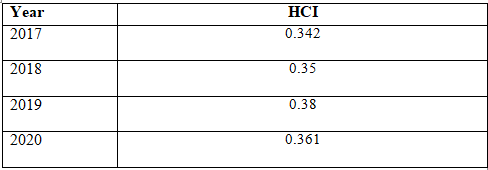
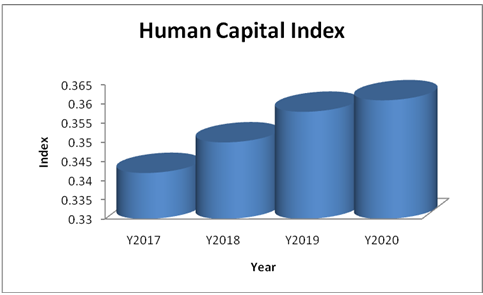
According to the Organisation for Economic Co-operation and Development, human capital is the knowledge, skills, competencies and other attributes embodied in individuals or groups of individuals acquired during their life and used to produce goods, services or ideas in market circumstances. Nigeria as a nation is immensely blessed with human, oil and gas resources. The availability of these resources from one end to the other is sufficient in such a way that economic growth might have been accomplished in the late 20th century, given dynamic leadership. Investment in human capital plays an important role in increasing competition in oil and gas industry, improving quality of life and in generating Nigeria economic growth. According to Anyanwu et al., (2015), Nigeria envisaged to be among twenty most developed countries in the world by year 2020. It is a glaring fact that the country has failed to realize its full growth potential, amid all the abundant human and natural resources. This is not unconnected to the inability to invest in human resources and develop human capital to attain a full employment and sustainable economic growth at the end of the year. The establishment of AfCFTA therefore presents an opportunity in Africa to engage and develop their human resources in the area where they have competitive advantage over others. Table 1 below shows the index for Nigeria human capital development which helps to point to the reasons for the current situation.


Nigeria Human Capital Index

Source: World Bank 2020


Effect of AfCFTA on Human Capital Development in Oil and Gas Sector

Eradicate Structural Unemployment: AfCFTA has the potential to bridge the gap of structural unemployment in the oil and gas industry. A major issue in modern economies is that rapid deindustrialization has left many manual workers, struggling to thrive in a very different labour market. But AfCFTA will create a viable market that will be competitive for the oil and gas products. This will result to investing in education, research and human capital development to create a competitive means of producing petroleum products and use a cost effective means to transport it to the AfCFTA market.


Reduce Human capital flight: the era of globalisation has enabled skilled workers to move from African countries to the developed countries. This has had adverse effects on the African economy that lose its best human capital to the western and eastern countries. The establishment of AfCFTA will reduce export of skilled labour not only in the oil and gas sector but also in other sectors of the economy. Africa possessed high-skilled, innovative workforce that are ever ready to add value to raw materials in the exploiting, mining and manufacturing process.


Employment creation in the industry: The African Continental Free Trade Area (AfCFTA) presents a major opportunity to engage human resources that are idle most especially in the Nigeria oil and gas sector. The establishment of AfCFTA will bring millions of Nigerians out of extreme poverty and raise the incomes of existing labour in the sector. With the implementation of AfCFTA, trade in petroleum products and facilitation measures that cut red tape and simplify customs procedures would boost human morale to engage the market. This will make it possible for Nigerians to be interacting with over 1.2 billion population who are keen and ready to purchase petroleum products in the AfCFTA market.


Conclusion

Impact of AfCFTA on human capital development in the Nigeria oil and gas sector has been examined. The establishment of the African Continental Free Trade Area (AfCFTA) is expected to reduce structural unemployment, human capital flight and create more employment opportunity in the Nigeria oil and gas. Human capital is an important factor used in converting specific natural resources to oil and gas for human use and benefit. The viable market opportunity of 1.3 billion population and competition among the oil and gas producing countries in Africa will trigger investment in human resources to achieve the best output at lower cost from the industry. It is high time for the actors in the Nigeria oil and gas sector to increase investment in human resources in order to stay highly competitive in the market when AfCFTA is launched in January 2021.


VOTE LPG CAMPAIGN - EDO ‘20

Submitted by kiakiagas on

The development and success of every society is dependent on its leadership. You, citizens of Edo, decide your leaders via elections. Vote Leadership Powered by Good Governance. #VoteLPG


The leadership of a society dictates its future. As the world moves towards a future with clean energy for cooking and heating, we implore the major political parties and their candidates to include clean energy policies as part of their manifestos and to ensure when they are elected to implement policies that will encourage the adoption of LPG Liquified Petroleum Gas (cooking Gas) and clean renewable sources of energy as the mainstay of domestic households especially in low income areas across the state. Vote Leadership Powered by Good Governance. #VoteLPG


VOTE LPG CAMPAIGN - ONDO ‘20

Submitted by kiakiagas on

The development and success of every society is dependent on its leadership. You,  citizens of Ondo, decide your leaders via elections. Vote Leadership Powered by Good Governance. #VoteLPG

  The leadership of a society dictates its future. As the world moves towards a future with clean energy for cooking and heating, we implore the major political parties and their candidates to include clean energy policies as part of their manifestos and to ensure when they are elected to implement policies that will encourage the adoption of LPG Liquified Petroleum Gas (cooking Gas) and clean renewable sources of energy as the mainstay of domestic households especially in low income areas across the state. Vote Leadership Powered by Good Governance. #VoteLPG    

WEEKLY LPG INSIDER REPORT

Submitted by kiakiagas on


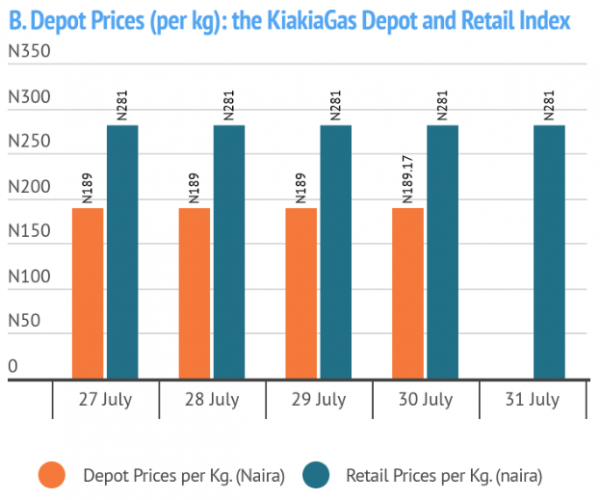
Prices are beginning to rise in the international market and has remained stable in the domestic market for LPG in the immediately preceding week


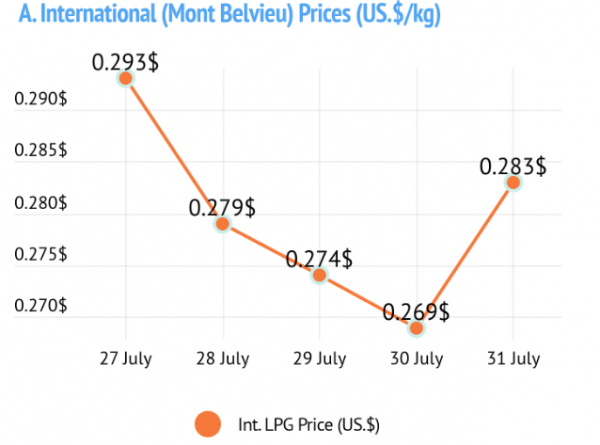
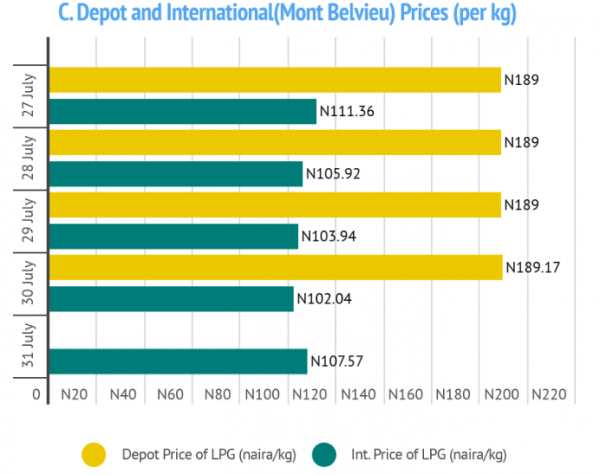
  • Prices of LPG in the international market fell for the most part of the week under review. Prices only began to rise towards the of the week.
  • Week-on-week differences in the price of LPG at the depot level have not changed much in the week under review.
  • The difference between prices per kg of LPG at the depots in Nigeria and prices at the international market are becoming narrower compared to several weeks ago.
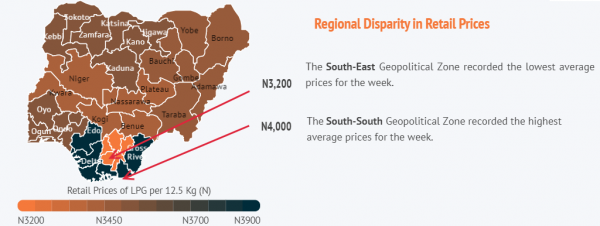
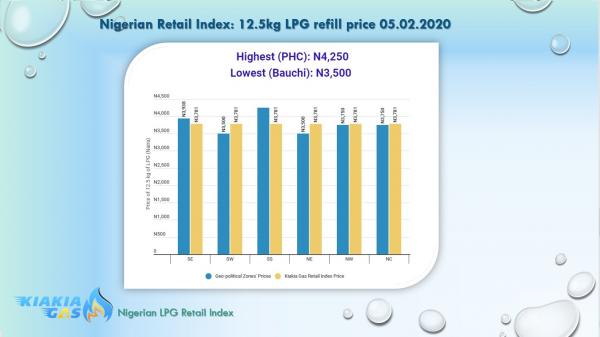
  • Regional disparities in the retail prices of LPG within the country continue to persist.


Regional disparity in the prices of LPG across the country has been a regular feature of the Nigerian LPG market. Though the South-south geopolitical zone hosts the great majority of depots in the country due to its proximity to the ocean, prices have been highest in the region.


  • The exchange value of the naira to the US. $ has remained at the pegged price of N380 to US.$1 throughout the week (Figure D).
  • For the gas market, the Purchasing Managers Index(PMI) of the CBN report growing Business Activities, and New Orders but declining employment and inventory for the month of July 2020 compared to June. The growing Business Activities, and New Orders come from the recently relaxed lock-down due to the COVID-19 while declining inventory and New Employment seem to reflect a strategy to avoid risks.
  • Inflation remains high. The persistent rise in inflation in the past nearly 11 months (in June at 12.6% from the 12.4% recorded in May 2020) has implications for the price of LPG across the country.
  • The Monetary Policy Committee (MPC) of the Central Bank of Nigeria (CBN) maintained its monetary policy rate at 12.50%. The apex regulatory body is adopting a "stand-aloof" approach so as to observe the array of liquidity facilities that have been deployed since the COVID-19 pandemic to cushion Covid-19’s shock.
  • Prices of crude oil in the international market in the week under review showed an erratic pattern but ending on a lower note (Figure E).

  • We maintain our previous outlook expectation that demand may slightly drop as the lockdown progressively eases movement and allows people to spend more time at outside of the home. While the drop in household consumption might be offset by consumption by business entities, this may not be a perfect off-set.

BETWEEN THE NIGERIAN AND SENEGALESE LPG MARKET

Submitted by kiakiagas on

Nigeria and Senegal are located in the West African region; one with numerous mineral resources but not as much economic development. Both Sub-Saharan countries are experiencing growth in their youth populations, yielding a growing labour force and increasing urbanization.


In 2018, Nigeria had an estimated population of 200 million people, with a Gross Domestic Product (GDP) of 397 billion dollars, and a GDP per capita of $2,000 (World Bank Development Indicators, 2018). Senegal, on the other hand, had a population of 16 million people, with a GDP of 24 billion dollars and GDP per capita of $1,500 (World Bank Development Indicators, 2018). Senegal does not have crude oil reserves but produces a small quantity of natural gas.


Both countries have a number of demographic and socio-economic similarities:

  • Most of the land in both countries is used for agriculture; 78% for Nigeria and 46% for Senegal.
  • growth rates.
  • Both countries are made up of citizens of diverse ethnicities.
  • Both countries have a burgeoning youth population.


As urbanization increases in both countries, so do deforestation and carbon emissions, due to felling of trees for use as cooking fuel. This results in environmental and health hazards, and does not favour economic growth. Currently, 60% of the urban population in Senegal use LPG – without subsidies; but wood and charcoal represented 60% of Senegal’s total energy consumption when Senegal’s Butanization policy was implemented. About 60% of Nigerian households also use wood and charcoal.

The use of LPG as the prevalent cooking fuel will provide a cleaner environment without affecting the health of the users, as well as provide employment for individuals in the value chain. Both countries acted on these facts by implementing policies to increase the consumption of Liquefied Petroleum Gas (LPG) in their respective countries, although Senegal implemented their policies decades before Nigeria implemented hers. Senegal’s success and the processes involved can be used examined, and adapted to obtain similar results in Nigeria. In the rest of the article we examine the Nigerian and Senegalese LPG markets along the lines of market size, supply chain structure and enabling policy.


  1. Market Size

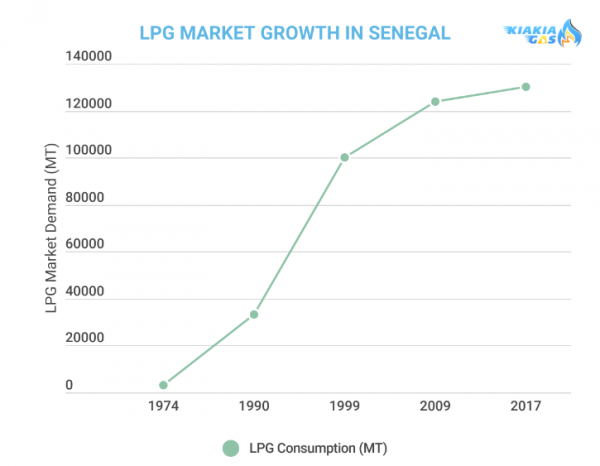
In 2018, the larger portion of the Senegalese population (particularly the urban regions) used LPG as their fuel for cooking, with 1.5 million LPG stoves in use. The Butanization program, championed by the Senegalese government in 1974, caused the market to experience growth through the years, resulting to an annual consumption of 170,000 MT in 2017. This is 56 times larger than the annual consumption at the time the Butanization programme began. The growth rate, however, began to slow down after the removal of LPG subsidy in 2009.

Senegal has been able to achieve this level of LPG usage despite their relatively limited natural gas reserves. A large portion of the LPG used in the country is imported. About 98% of the country’s LPG consumption is from the domestic and commercial sectors.


Figure 1. Growth in Senegalese LPG Consumption

     Source: (Chantelot, 2001) (Kojima, 2011) (Tyler, 2018)


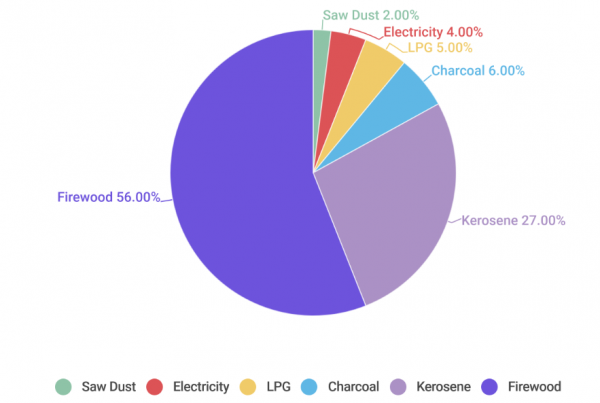
The Nigerian LPG market has also been experiencing growth. The Nigerian LPG demand grew from less than 60,000 MT per annum in 2008 to 800,000 MT per annum in 2019.  The National Gas Policy report of 2017 revealed that only 5% of the households in Nigeria use LPG - that is just 2 million households using LPG. Majority of the country (50-60%) currently depend on wood as a fuel source. There is a great potential for more growth in the Nigerian LPG market, and there are corresponding investments in all points of the Nigerian LPG value chain.

Figure 2. Nigerian Household Energy Mix

Source: National Gas Policy, 2017.


2. Supply Chain Structure

In 1963, the Societe Africaine de Raffinage (SAR) was inaugurated and given the exclusive permission to import LPG into Senegal after which it passed it on to the various private distributors. Supply of LPG in Senegal faced challenges because the country had just one (functional) container berth, limiting its storage capacity, thereby affecting total supply to the county. The country also has multinational companies (such as TOTAL and VITOGAZ), as well as independent local companies (such as Touba Gaz) distributing LPG to the wholesale outlets. The wholesale outlets supply to the retailers, who then supply to the end-users. The wholesalers specialize in the sale of LPG through gas plant facilities, while the retailers are those with shops and stores; they sell other items alongside LPG. The bulk of the LPG consumed in Senegal is imported, due to low local production capacity.

The Nigerian LPG market is fully deregulated; hence the private sector plays a major role in importing the product. Nigerian LPG production surpasses local demand by a ratio of 5 to 1, based on 2017 data, yet 60% of the LPG used in Nigeria is imported. Nigeria Liquefied Natural Gas Limited (NLNG) supplies locally produced LPG to the Nigerian market, while there are other private companies which import LPG into the country (such as Navgas and Matrix Energy). LPG, whether local or imported, is stored in any of the country’s six depots (based on the company which bought it)  from where it is sold to the gas plants. These gas plants sell to (some end-users and) the retailers who then sell to the end-users. Retailers in Nigeria are specialized in selling LPG alone, unlike their counterparts in Senegal. 60% of the LPG used in Nigeria is imported, due to low local supply capacity on the part of the main local LPG producer, NLNG (production and infrastructure).


3. Policy

In Senegal, the Comité National des Hydrocarbures (CNH) acts as a market price regulator for all petroleum products. It acts as an advisor for the Senegalese Ministry of Energy, reviewing the prices of petroleum every 4 weeks. The price of LPG in Senegal was subsidized by the government as part of the Butanization program but the program ended in 2009.


Senegalese Butanization Programme

The Butanization programme began in 1974, as a strategy by the Senegalese government to reduce deforestation, partly caused by the use of wood as a domestic fuel source (over 60% of the population at that time used wood or charcoal). The LPG demand at the commencement of the programme was just 3,000 MT.  The aim of the Butanization programme was to increase LPG consumption and decrease the reliance on biomass, particularly amongst the low-income sections of the population.

In 1974, the standard LPG package available was the 12kg cylinder with a regulator, hose and stove. The government introduced the 2.75 cylinder, with its appropriate equipments and later on, introduced an 80% subsidy on 2.75kg refills. The 6kg cylinder (with a 60% subsidy for refills) was introduced later. This created three different price structures for the 2.75kg cylinder, 6kg cylinder and the 12kg cylinder (unsubsidized). These price structures were set by Presidential decree based on the joint recommendation of the Ministry of Energy and the Ministry of Trade. The subsidies were funded from revenues obtained from taxes on other products. LPG related equipments also enjoyed tax exemptions.

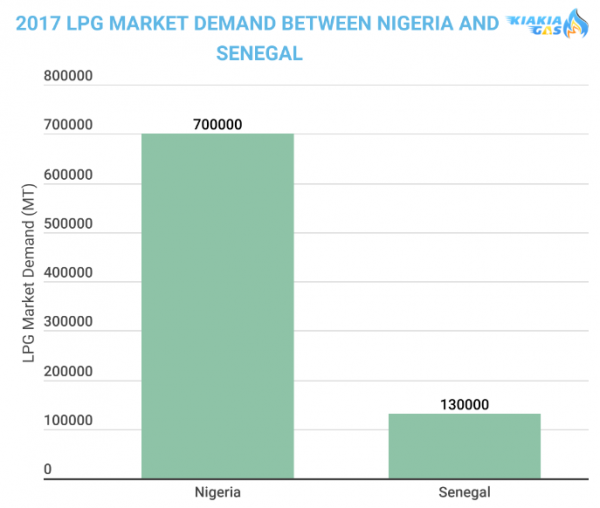
The subsidy increased the consumption of LPG and in turn led to a decrease in deforestation by 15%, but was unsustainable; hence the International Monetary Fund (IMF) recommended the removal of the subsidy. The subsidy was removed in 1985, but returned two years later due to social unrest. The subsidy was finally removed in 2009, leading to a 12% increase in charcoal use. In 2017, Senegal consumed 130,000 MT per annum, showing LPG had gained a considerable market share due to the programme which had long been discontinued.


Nigeria had to incorporate necessary policies to ensure the growth of the Nigerian LPG market. These include the complete deregulation of the LPG market, removal of kerosene subsidy, as well as distribution of 3kg cylinders to low-income households. There’s no monopoly on the importation of LPG into Nigeria, as there are different companies bringing the product into the country. Due to the deregulation of the industry, prices move based on the prices at the international market. 

The deregulation policy allowed for greater private sector investment in the LPG sector e.g. the NavGas depot which came into operation in 2010. Steps are also being taken to improve local supply to local demand (8% of local supply is channelled to meeting local demand), by increasing local production. There are also investments in the production of domestic LPG equipments, such as cylinders to replace mostly expired cylinders used in Nigeria (90% of LPG cylinders used in Nigeria are expired).

Figure 3. Comparison Between Nigerian and Senegalese LPG Consumption

Source: WLPGA, Accelerating the LPG Transition 2018.


The Nigerian and Senegalese LPG markets share some similarities, such as the dependence on imported LPG, as well as LPG competing with wood and charcoal. Senegal has been able to successfully convert the greater percentage of its households into LPG users, showing the possibility of same success rate in Nigeria. Comparing populations shows that Nigeria today has a greater market potential than Senegal did in 1974. Due to the early start, Senegal has been able to convert most of its population into LPG users in 4 decades (90% of households in Dakar use LPG), and Nigeria could do same in a shorter time if the right steps are taken.

A nationwide sibsidy system for Nigeria might not be effective, but it could make LPG cheaper to low-income households. That objective can be achieved by ensuring local (production and) supply grows to meet the growing local demand.


KiakiaGas Limited is a leading Gas business in Lagos,Nigeria with expertise in LPG retailing, New Gas Market development, Building of Gas Plants and Gas strategy advisory
If you need a partner with hands-on local expertise in the Nigerian Gas space or any of our bespoke solutions/services, write us at gaspreneur@kiakiagas.com or call/Whatsapp: +2348085269328


KiakiaGas Daily LPG (Cooking Gas) Depot Price Index

Submitted by kiakiagas on

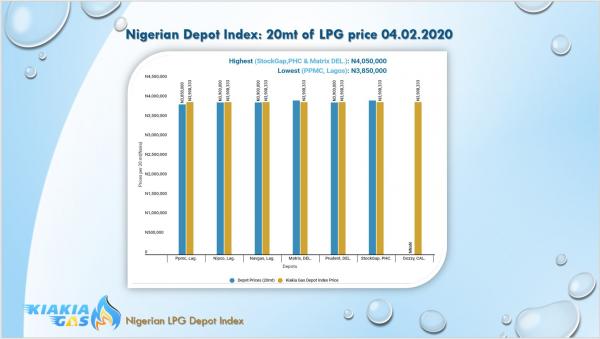
This data offers insights into price of LPG (cooking gas) at the Bulk storage level benchamarked to the kiakiagas depot index. 


This daily updates offers real time information about the price of LPG across all the terminals in Nigeria. The prices are stated in volumes of 20mt. The insights offers unique advantage to Gas business owners and managers to know the price of Gas in real time.


You can also contact us at data@kiakiagas.com or write on whatsapp/call +2348085269328 for more information or additional options about historical market data..

Subscribe to Nigeria