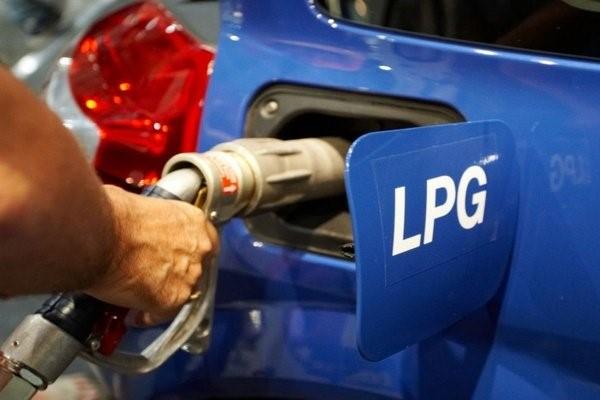
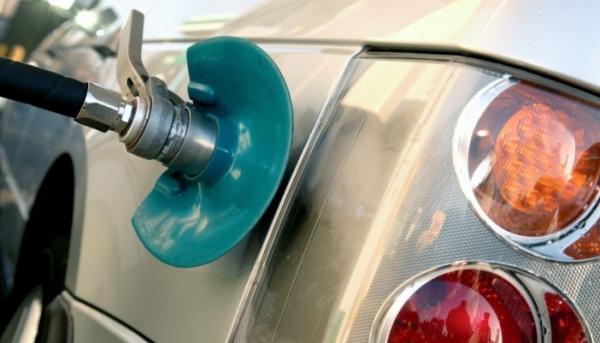
How LPG is contributing to the growth of SMEs in Africas: Your One Stop LPG Provider

Submitted by kiakiagas on

A crucial component of human life is energy. Reliable access to modern, reasonably priced energy is essential for a country's social and economic development. Traditional dirty-burning fuels used for cooking, such as coal, wood, and kerosene, produce large amounts of pollutants and carbon monoxide, which are the main contributors to indoor air pollution and its negative health impacts. Continual use of unclean fuels may result in early deaths, an increase in childhood and adult illnesses, associated environmental problems, and stress on the healthcare system, according to experts. Liquefied petroleum gas (LPG) was found in the search for cooking energy that would protect our environment from pollution. LPG is a type of energy that is used in cooking. It is produced by refining raw natural gas or crude oil that comes only from fossil fuel sources. It is kept and moved in LPG cylinders at a reasonable amount of pressure as a liquid. Propane and butane make up the majority of the gases created during the LPG production process. The first online energy company in Nigeria, Kiakiagas, provides excellent, prompt, and safe delivery of liquefied petroleum gas (LPG) and related products to Nigerian households and businesses. The company has developed into an energy solutions provider, paving the way for a future in which gas will drive the switchover of the African energy sector from fossil fuels to renewable sources, bringing electricity to consumers in the last mile from urban to off-grid areas.

By utilizing e-commerce as a platform to conveniently buy cooking gas and related products and deliver them to every household and business in Africa, LPG is achieving the new Sustainable Development Goals through the use of information and communication technologies (ICT). This is done while also paving the way for payment options, including cash on delivery, point of sale, and credit card payments.

By offering convenient booking platforms, first-rate customer service, the use of technology to ensure precise quantity filling, safety and quality assurance of cylinders and accessories, as well as quick delivery service, LPG has been able to transform the SMEs idea of purchasing cooking gas online into a mainstream culture in Africa. As a result, a greater proportion of Nigerian homemakers and industries are requesting that the company expand.

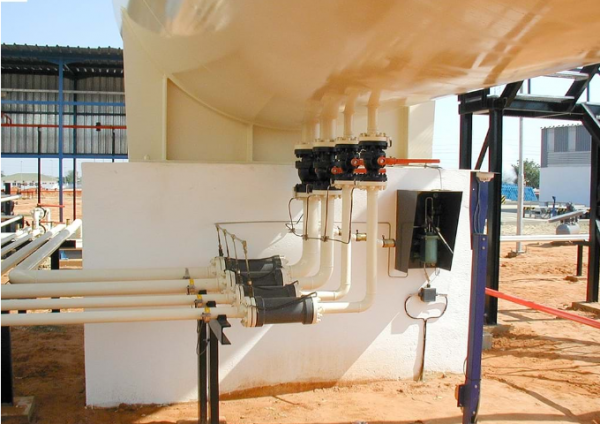
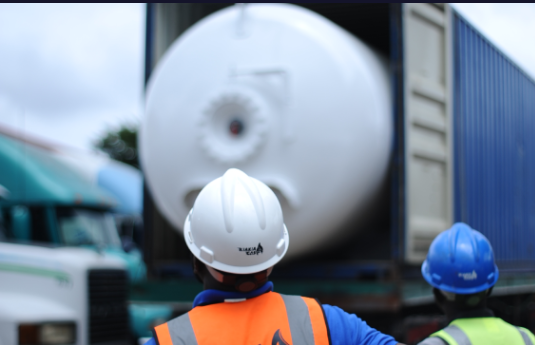
With the contribution of the LPG, many small and medium size companies have ventured into cylinder distributors. Gas and cylinders are provided to the secondary distributors by the prime distributors (filling plants). The secondary distributors sell products straight to end consumers after filling 1,000 or more cylinders. In Nigeria, there is a brand-new class of secondary distributors (these people belong to the second category) who have their own filling plants, which are small units with storage capacities of 1 to 5 MT and are commonly situated in gas stations. Therefore, they typically use bobtail trucks to purchase 1 to 2 MT in bulk from primary distributors (the filling facilities) and then fuel end customers at gas stations.

Use of LPG fosters and facilitates inclusive economic growth at the local and national levels, empowering a variety of large and small companies and economic sectors. A multinational LPG transition program in Africa caused a sharp rise in the number of homes utilizing LPG for cooking.

As a portable, adaptable fuel with uses in both small craft industries and major industrial settings, LPG fosters industry entrepreneurship and supports numerous jobs. LPG can be used efficiently even in very rural and remote regions because it can be transported over long distances and doesn't require pipelines. According to the WLPGA, 80% of farmers utilize LPG for a variety of purposes in the agricultural sector. In extremely rural areas, LPG serves to support employment options that might otherwise be scarce.

In order to determine How LPG is contributing to the growth of SMEs in Africas The Kiakiagas Nigeria Limited, which has a solid reputation for establishing gas plants for the SMEs that include not only LPG but also CNG/LNG, auto gas, oxygen plants, and shipping, is the proper and finest option to consider. Our crew is up to the task, and we follow the DPR's instructions by using imported goods. Our staff has undergone extensive training to ensure that installations are carried out using the most up-to-date technology. We can also assist you in obtaining the appropriate permissions and ensuring that all gas pumps and dispensing systems are approved and tested extensively. KIAKIAGAS is a one-stop-shop for all things gas, from pipeline to pump. As an added bonus for convenience stores, KIAKIAGAS carries leading gas pump and dispense equipment manufacturers such as Casper.


KiakiaGas Limited is a leading Gas business in Lagos, Nigeria with expertise in LPG retailing, New Gas Market development, Building of Gas Plants and Gas strategy advisory. Supply by KiakiaGas provides LPG products and equipment for corporate and institutional clients for the project and operational needs. If you need a partner with hands-on local expertise in the Nigerian Gas space or any of our bespoke solutions/services, kindly visit www.kiakiagas.com to learn more.


KIAKIA GAS: YOUR ONE STOP LIQUEFIED PETROLEUM GAS (LPG) PROVIDER

Submitted by kiakiagas on

Launched in August 2015 Kiakia Gas Limited (RC:1226776) is a registered Liability company in Nigeria as a last mile LPG delivery service using technology to deliver LPG (cooking gas) to households in Nigeria, we have expanded our scope to include consulting & Analytics, smart-engineering & manufacturing and B2B bulk distribution. The importance of technology and governance policy in accelerating sustainable transitions cannot be overstated.

Renewable and low-carbon energy sources are part of the policy mix. Because the ongoing energy transition necessitates the construction of new infrastructure or the modification of existing infrastructure, the business model is crucial. Our model for determining the locational efficiency of gas plant set-up and distribution of LPG across the country is providing immerse leverage in this regard. Market Demand Modelling and Valuation We are the only end-to-end LPG Company that has been building capacity internally for the modelling and measurement of demand for LPG as well as understanding consumer behaviour across cities and on the national level in Nigeria. This modelling and valuation efforts are helping us define how to approach various market segments and market entry strategies. Our market analytics and intelligence for the LPG and energy market of Nigeria is opening new opportunities for the company, and for overall market development

Online Energy Outfit

Kiakiagas is the Nigeria’s first online energy outfit offering outstanding, quick & safe delivery of liquefied petroleum gas (LPG) and its related products to Nigerian homes and industries. The company has evolved into an energy solutions company creating a future in which gas will lead the transition of the African energy space from traditional forms of energy to renewable forms of energy making energy available to the last mile consumers from urban areas to off-grid areas.

Use of Information and Communication Technologies (ICT) as an essential tool for achieving the new Sustainable Development Goals by leveraging on ecommerce as a platform to buy cooking gas and related products to the door step of every Nigerian household and industry in a convenient manner, while also providing multiple payment options such as cash on delivery, POS, and payment by credit card. Like all other eCommerce platforms, users simply book for cooking gases by visiting the website and logging in, choosing a cylinder that suits their need, selecting a payment method, and then waiting for their items to be delivered at their doorstep. The platform also offer free delivery of cooking gas to every home within 45minutes.

Kiakia Gas has managed to turn the idea of buying cooking gas online in Nigeria into a mainstream culture by providing convenient booking platforms, excellent customer service, and the use of technology to ensure accurate quantity filling, safety and quality assurance of cylinders and accessories, as well as quick delivery service, resulting in a higher percentage of Nigerian homemakers and industries calling for the company to expand.

Cylinder Manufacturing

Early in 2021, as part of our strategic plan to expand the downstream LPG market, we started building the biggest cylinder production facility in Nigeria. This is our plan for easing the switch to LPG for 100,000 non-LPG users in Nigeria over the next five years.


Coastal Storage and Ship Loading/Offloading Infrastructure

By building a 13,00MT LPG coastal storage and ship loading/offloading infrastructure for Nigerian & West African markets, we intend to enhance our development of the gas market and value chain in Nigeria and West Africa. The Terminal is also planned to include a scalable Thermal IP, a 500MW power plant that will use local LPG production as a backup fuel source in addition to the plentiful natural gas supplies that surround the project location. LPG Industry Technology

Kiakiagas, which garnered more funding to help her realize her bold vision of becoming Nigeria's and Sub-Saharan Africa's leading cooking gas brand, was also recognized as a First of its Kind in the Ecommerce and Natural Gas Industries, respectively, by receiving an award at the FIRST OF ITS KIND AWARDS organized by TFK media Limited, continues to set the standard for other cooking gas dealers to follow.

Over a period of seven years, Kiakia gas has been able to distribute 300,000 metric tonnes (mt) of LPG nationwide at affordable price. The company has developed not only LPG feasibility study but also installation of LPG plants for over fifty companies in Nigeria. The company deals in LPG engineering, data report, consulting and offer courses relating to learning materials to improve knowledge on areas related to gas and engineering. The company procured best LPG plant products with higher quality from USA, Germany and UK.

The MISSION of the company is simple: To use gas to bridge the energy access between traditional forms of energy and renewable forms of energy.

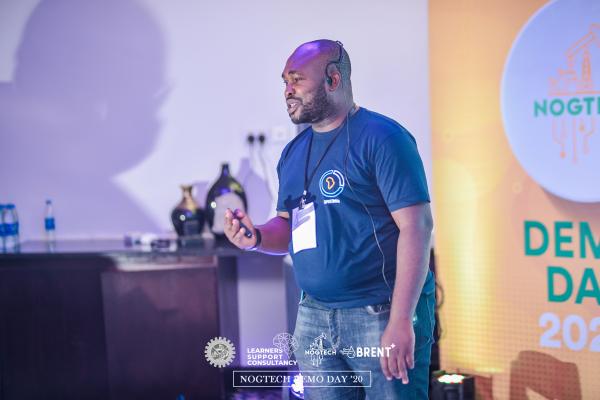
The company has consistently planned, strategized, trained, researched and attended international and national conferences (see plate 2 &3 below) with the sole purpose of actualizing its mission of bridging the energy access between the conventional forms of energy and renewable forms of energy.

Kiakiagas developed a telemetry GSM tracking of gas usage based system which tracks consumers usage of gas, detects leakage and automatically orders .This device sends a high priority message to the customer and to us as a company to give notification of a leakage”.This is new, and high laudable. With millions of Nigerian homes depending on cooking gases, KiaKia gas has a chance to dominate in this uncharted space.

Most industrialized countries have built legal structures to strengthen the use of clean energy sources in accordance with sustainable development goals to ensure that the environment is protected from the use of filthy energy. The pursuit of sustainable energy and advancement of LPG development is central to the Kiakia gas not only in Nigeria but also in Africa. This explained the presence of the company experts in Germany for the production of LPG SMART METER to facilitate the consumption of LPG in African communities.

Smart meter has the potential to help businesses and communities in Nigeria and African to harmonize their pressing health, climate, clean cooking, and environmental goals, as they can now consume LPG as low as they want. This bridges the gap of inability of the low income households to use LPG due to high price per kilogram. It reduces distribution costs as several households can consume LPG from a large gas cylinder. Businesses that are concentrated in an industrial area will as well benefit from a large gas tank with the aid of smart meter. The result is increased LPG access, as well as less accumulation of gas cylinder in African communities and business environment.

We are aware that using technology to enable us to reach the one million households will be necessary. As a result, we are developing technologies leveraging Internet of Things (IoT) solutions that make it simple to order LPG through established retail operators in close proximity to the homes from anywhere in the country. Additionally, this technological solution would make it possible to provide real-time data on LPG consumption in homes.

You can also advance your company level by engaging your customers through a well-planned internet of things (IoTs) with the use of latest information and communication technology. Either you are coming into the LPG industry as a fresher or you are an existing company that aims to expand LPG business, we are ready to provide you with feasibility study that can lead you straight to LPG business success.

A feasibility study examines all of your project's pertinent aspects, including economic, technical, legal, and scheduling issues, to determine the project's chances of success. Several elements influence whether your project is practical, including the project's cost and return on investment, or whether the initiative earned sufficient money or sales from consumers. A feasibility study, on the other hand, isn't just for projects that want to measure and estimate financial gains. In other words, depending on the industry and the project's purpose, practicality can mean different things. A feasibility study, for example, could determine if a liquefied petroleum gas plant can generate enough funds through cooking gas sales and sales of gas equipment to increase the return on investment (ROI). A feasibility study determines if a proposal or project is feasible. A feasibility study examines a project's viability to see if it has a chance of succeeding. The research will also look for any challenges and problems that may occur as a result of the project's implementation.

In order to determine how and where a cooking gas plant should be built, the DPR, as the federal government's regulatory authority, must be consulted, as well as an expert in the subject. The Kiakiagas Nigeria Limited, which has a solid reputation for establishing gas plants that include not only LPG but also CNG/LNG, auto gas, oxygen plants, and shipping, is the proper and finest option to consider. Our crew is up to the task, and we follow the DPR's instructions by using imported goods. Our staff has undergone extensive training to ensure that installations are carried out using the most up-to-date technology. We can also assist you in obtaining the appropriate permissions and ensuring that all gas pumps and dispensing systems are approved and tested extensively. KIAKIAGAS is a one-stop-shop for all things gas, from pipeline to pump. As an added bonus for convenience stores, KIAKIAGAS carries leading gas pump and dispense equipment manufacturers such as Casper.


KiakiaGas Limited is a leading Gas business in Lagos, Nigeria with expertise in LPG retailing, New Gas Market development, Building of Gas Plants and Gas strategy advisory. Supply by KiakiaGas provides LPG products and equipment for corporate and institutional clients for the project and operational needs. If you need a partner with hands-on local expertise in the Nigerian Gas space or any of our bespoke solutions/services, kindly visit www.kiakiagas.com to learn more.


How Russia-Ukraine War Affects Nigeria's LPG Trade

Submitted by kiakiagas on


On February 24, 2022, Russia attacked Ukraine in a number of different ways. The European Union is frantically looking for other energy sources to replace Russia's fossil fuels as a result of the invasion. LPG price, a composite function of the oil price, have skyrocketed as a result of Russia's invasion of Ukraine, which has also adversely affected other industries such as maritime, aviation, tourism, and sports. Energy-related payments are now exempt from financial sanctions placed on Russia by the US, EU, UK, and other countries, which should allow for the continuation of payments under current contracts. Nevertheless, many global trading firms are avoiding doing new business with Russia. Because insurers are either refusing to cover ships or demanding exorbitant premiums, charterers may decide not to remove LPG cargoes from the region, which may lead them to look for alternative sources of supply. Making payments for port fees, insurance, etc. will be challenging for Russian businesses without access to the global banking system. Following the invasion, there have been reports of shelling on several cargo ships in the Black Sea.

Nigeria-Ukraine-Russia Trade Relationship

Nigeria imported $156 million worth of goods from Ukraine in 2020, according to the United Nations COMTRADE, while the country's top exports to Nigeria were iron and steel ($125 million), sugars and sugar confections ($8.1 million), and pharmaceuticals ($7.6 million). But since the 1960s, Russia and Nigeria have had diplomatic ties that are reciprocal. Because Russia is an oil-producing country as well, it is reported that Russian trade volume with Nigeria was $600 million in September 2021. 

Russia-Ukraine War Effects on the Nigeria's LPG Trade

The invasion of Ukraine by the Russia has consequently caused global changes in crude oil prices, which have a direct impact on fuel prices. As a result, the higher crude oil prices are, the more likely it is that gas prices will increase. The effect of the Russian - Ukraine conflict on Nigeria's LPG trade is looked into in further detail by Kiakiagas (KKG) Nigeria. 


There has been an increase in energy prices and subsidies for Nigeria, which is unquestionably Africa's largest and most populous country, with a population of 213 million and an estimated GDP of 45 trillion naira (115 billion USD) as of the third quarter of 2021. This increase is also related to the ongoing Russia-Ukraine war. With the second-biggest proven oil reserves on the continent and the seventh-largest oil exporter in the globe in 2020, the nation is Africa's largest producer of crude oil. Oil worth $30 billion was exported, or about 4.68% of the total.

In contrast to previous years when the Liquefied Petroleum Gas (LPG) was perceived as the privilege of the wealthy, LPG as a clean energy has progressively gained popularity among Nigerians with low incomes during the past seven years. There is no way that the rising cost of diesel plus the fact that gas is transported by truck, which needs diesel to move, won't have an impact on the price. If Nigeria was generating enough LPG, the rise in LPG prices would have been beneficial for the country. Because it would be more expensive to import, an increase in the price of LPG also entails an increase in the cost of cooking gas in Nigeria. Everyone in the globe is negatively impacted by this pressure, but Nigeria is particularly negatively affected because it lowers their level of living and their purchasing power. Market participants have expressed some worry about how the Russian invasion of Ukraine will affect the LPG market.


Prices have unquestionably increased because the subsequent petroleum products that emerge from the refinery similarly increase in price when crude prices do. Nigeria therefore makes more money from exporting crude, but because it depends completely on crude, the country also loses money from importing, perhaps much more so. Consumers must spend up to N9,400 to refill a 12.5 kg cooking gas cylinder, up from the N7,500 they had spent in the previous eight months. For instance, the cost to refill a 12.5 kilogram cooking gas cylinder has increased from N7,500 to N9,500 in some districts of northern, southeast, and southern Nigeria. Many Nigerian households and businesses are being forced by the circumstances to look for alternative sources of fuel for cooking. In February 2022, the Nigerian LPGas market's consumption volume continued to decline. Year to Date (YTD) volume was 163 Kilotonnes (kT) at the end of February 2022, down 19% from the same time last year.

The two nations that supply Nigeria with the majority of its refined oil import a sizable amount of their crude from Russia, just like the majority of Europe. As a result, Nigeria's supply of refined petroleum was temporarily disrupted. Nigeria's ability to produce oil has been jeopardized over time because of its inability to locally refine crude oil for domestic use. By 2030, the nation wants to cut greenhouse gas (GHG) emissions by at least 47%. One of the nation's nationally determined contributions (NDCs) under the Paris Agreement is to cut fugitive emissions from oil and gas production by 60% by 2031. 


Due to the current economic uncertainty, investors would adopt a cautious stance, which will significantly restrict access to loans from the foreign debt market. Due to increasing interest rates in advanced countries, the nation also runs the possibility of having to pay more to service its debt. There have also been substantial macroeconomic effects, such as a widened budget deficit, rising debt levels, an increase in debt service obligations, and an expansion of the money supply that has both prompted the local currency's devaluation and intensified inflationary pressures. More importantly, the price of bread, confectioneries, and wheat could increase as well, which could spark a conflict and have negative effects on the on the volume of LPG purchased to cook these food items.


Due to the violence in the region, oil supplies would be disrupted, production would be reduced, and prices would rise. Russia is recognized to be the second-largest producer of oil in the world. Nigeria is not an exception; the impact of the rising oil price, which is already over $100 per barrel, is already being felt globally. LPG would experience dramatic price hikes, and gas would also experience the same destiny. Additionally, if these expenses increased, there would be significant inflationary effects on all facets of the economy.

As it gets ready for future Russian supply cuts, the European Union is looking to Nigeria for additional gas supplies. There is potential to more than treble the 14% of gas that the EU currently imports from Nigeria. Gas producer Nigeria LNG Ltd.'s terminal at Bonny Island is only working at 60% capacity due to theft and pipeline damage, which is stifling Nigeria's gas supply. Nigeria is reopening the Trans Niger pipeline to increase gas supplies to Europe while also enhancing security in the Niger Delta. The largest African suppliers of liquefied petroleum gas to Europe are Nigeria and Algeria. Italy, through its Premier Mario Draghi, reached an agreement with Algeria over a Mediterranean pipeline to increase its imports of gas.

Way Forward

It is terrible that Nigeria, the country with the greatest proven oil reserves in Africa, imports fuel and, most recently, fuel tainted with adulterants. It is also necessary for Nigerian political leaders to begin investing in their own infrastructure. Nigeria needs to make better use of its gas resources. To combat its problems with epileptic power supply, the nation should develop it as a source of domestic energy production if it is unable to provide its neighbors. We hope Nigeria takes note of the Russian-Ukrainian situation and strives to compete on the world gas markets. Nigeria may increase its gas exports to Europe and attempt to take some of the market share that Russia is currently giving up as a result of sanctions. Therefore, there may be a chance for Nigeria. Building gas pipe infrastructures is crucial if Nigeria wishes to export gas, one method of export gas transportation.


KiakiaGas Limited is a leading Gas business in Lagos, Nigeria with expertise in commercial gas pump and dispenses equipment, LPG retailing, New Gas Market development, Building of Gas Plants and Gas strategy advisory. Supply by KiakiaGas provides LPG products and equipment for corporate and institutional clients for the project and operational needs. If you need a partner with hands-on local expertise in the Nigerian Gas space or any of our bespoke solutions/services, kindly Mail hello@kiakiagas.com to learn more.to learn more.
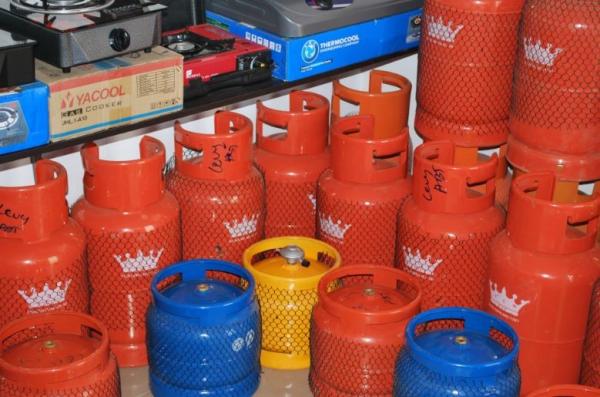
 

CHALLENGES AND OPPORTUNITIES IN LPG DISTRIBUTION

Submitted by kiakiagas on

Consuming liquefied petroleum gas (LPG) is becoming increasingly essential in Nigeria, particularly now that the government is advocating for the use of Autogas. Previously, LPG was only used in the kitchen and for other large-scale industrial applications. There is a desperate demand for it right now. There is a money-making potential in this entire situation, and you cannot afford to pass it up. If you've ever considered establishing a LPG business, you should give gas distribution business a go today, at least on a modest scale. This is due not just to the fact that everyone cooks, but also to the fact that next-generation automobiles are built to use it. Kiakiagas is a company that has vast experience in the building of gas projects in quick time. Our platform provides data to support infrastructural development in the gas value chain. Our management platform allows you to monitor the progress of your project in real time with our real time project monitoring. We offer a variety of services that cater for every stage of your project development.


You can apply to become a super distributor for LPG or a minor LPG distribution business which will include sales of LPG cookers, fittings, and site installation in a specific location. LPG is supplied from the depot with full LPG tank in bulk at a reasonable wholesale price. This will then be redistributed and sold at a reasonable profit margin to the consumers. Challenges in LPG distribution have prompted the existing distributors out of the market while the prospective distributors are prevented having acquired wrong information from wrong source about the LPG business. Kiakiagas are well informed about the LPG business through the stages of chain of distribution. With our team of business and data analysts, we calculate your prospective strength, weaknesses, opportunities and threats in the business based on our existing data before you venture into the business. In other words, we conduct a feasibility study which represents a snapshot information to guide you through the business so as to maximize the profit in the located area. Below are the challenges that you are likely to face as a prospective distributor of LPG:


CHALLENGES


LPG Tank/Cylinder Management Issues: As a super dealer, you must ensure that you have enough complete gas cylinder stock at all times to meet client orders immediately. To ensure effective supply, at least one supply truck should be present. The basic truth is that the initial money required to establish an LPG wholesale distribution firm is substantial. However, with an excellent business plan and feasibility study, it is much easier to secure the assistance of both investors and financial institutions. The chances of becoming a successful LPG distributor are increased if the feasibility assessment of the location is carried out by a team of our experts in the LPG rather than doing it alone or inviting a non-competent instructor If you're thinking about beginning a liquefied petroleum gas distribution business, it's a good idea to see if there are any suitable franchise possibilities available that could help you get started faster. Kiakiagas will get you cleared from the relevant authorities that regulates the LPG activities in the oil and gas sector. This is a cogent reason why you should book a session with us through our website to have discussion on how you can set up LPG distribution businesses.


Government Regulation: Another risk in the business is government regulation. Should government decide to increase the price of LPG today, some consumers may find it difficult to take and have to go back to using kerosene or firewood. If that happens, you lose some customers and your sales will drop. However, government is always trying to reduce the price of cooking gas to encourage its usage and discourage deforestation.


Competition: The company is at a competitive disadvantage as an emerging liquefied petroleum gas wholesale business startup since the company brand is just beginning to create an identity in the marketplace. Unless you are really committed to the idea of a startup, you can avoid the time required to build a brand identification by purchasing a business with an established name. As a startup, your best bet is to gradually build brand awareness over months and years. A LPG wholesale business acquisition, on the other hand, can place one at the helm of a brand that is already well-known in the target market.


Choice of Location: As a retailer dealing in the distribution of LPG in a certain location, you have a better chance of reaching more customers because services are closer to end consumers. Kiakiagas will equip you with proper strategies to make you the best alternative for them when it comes to proximity to the Gas market. In essence, the retailer serves as a profitable link between a huge gas plant and its buyers. Before starting the LPG distribution business, it is necessary to go through training to at least obtain the fundamental safety precautions. Some of the topics covered include, but are not limited to, how to detect and repair leaks in gas cylinders, how to weigh cylinders of various sizes using a scale, how to properly refill gas cylinders such as 3kg, 5kg, 6kg, 12.5kg, 13kg, , 25kg and 50kg and how to charge for prices of any custom quantity that customers may request. The Retail sub-division is rapidly extending its reach and client base across the country, with the objective of being the preferred market leader in delivering refined petroleum products to consumers across the country.


Safety: Risks in LPG business According to Darlinton Omeh, an investment analyst, every business has its peculiar setback and the biggest risk in cooking gas business is fire explosion, which is very common due to the high inflammable nature of liquefied natural gas. That isn’t much problem though since it can easily be mitigated or even avoided. ‘‘To be able to curtail this, you need to be alert at all times to detect when there is leakage in those cylinders as leakage is one of the major causes of fire and explosion. You also need to buy good fire extinguisher that can be very handy in time of minor fire outbreak,’’ he said. Kiakiagas will engage you with safety training which will aid in the selection of a safe location for the LPG distribution business. Because gas can cause environmental risks, launching in a cool, dry location with strong demand is critical. Training with Kiakiagas will help you to acquire accurate measurement of gases in tons, kilos, or litres. LPG purchased for resale is stored in tanks or 50kg cylinders before being sold in smaller quantities to customers who keep it in 12.5kg, 6kg, or 3kg cylinders.


Funding: A typical LPG distribution business may incur expenses such as funding to establish a new business, renting a shop, and purchasing operational materials such as tanks, cylinders, scales, transfer hoses, and other tools. A significant sum of money will be required to purchase the product (gas) and transfer it directly to the retail business. In any case, the typical cost of beginning a retail LPG distribution business is between 290,000 and 390,000 NGN. Some people may be put off by the prospect of starting a gas refilling business because someone they know has failed miserably. People are smiling to the bank functioning as LPG Suppliers, despite the fact that it may be depressing.


OPPORTUNITIES


Gas companies, both the suppliers and retailers are making good money in the business. It is good news that more Nigerians are beginning to use cooking gas for various domestic cooking purposes. That will help decrease the problems of deforestation and help conserve the nation’s natural forests and prevent potential disasters inherent in desert encroachment such as erosion. Apart from the environmental benefits, the increased number of people, especially in urban areas, who are using cooking gas has created good business opportunity for smart entrepreneurs who can now trade on cooking gas and cooking gas equipment to make good profits.


Push by the federal government: Cooking gas business is very profitable and you don’t have to break the bank before you can start. This is a big business that anyone who is into it can be proud of. Gas cylinders How exactly can one start cooking gas business in Nigeria? Before we go into the details, let us first take a look into the profit potential in this business as well as the risks involved. If you have been observing the news lately, there is a push by the federal government of Nigeria to deepen the usage of LPG in the country.  And this push will start yielding results soon. If you have been procrastinating about starting your own LPG distribution business, this maybe the reason to revisit that plan and put it back to work. 


Cooking gas value chain: Opportunity inherent in the cooking gas value chain is the sale of cylinders and accessories, which can be managed alongside the gas plant, offering a one-stop service for customers. “This is relatively the lowest profit you can make in cooking gas business if you are in respectable position where you get good patronage. Most people make much more than what I calculated here. So, it’s not in any way by exaggeration. “For a business you started with N300,000, N150,000 profit is a super profit by all standards. Imagine if you invest more resources and take it higher, your profit will be much more mouthwatering.


Understanding LPG Demand Curve: Now imagine if we can switch another 25% of our population from House Hold Kerosene to cooking gas in the next 36 months 50% of annual consumption= 600million kg (1.54billion Litres).  Cooking gas business is a very profitable business, but just like every other en-devour of life, it comes with its own challenges. Most of the energy used for domestic cooking in Nigerian homes comes from traditional forms of energy like HHK (kerosene) which accounts for 65-70% of the energy consumption in Nigeria, LPG stands at 25%, while other fossil fuels like firewood and coals accounts for the remaining 5%.


Nigeria's average household size: Another opportunity is that Nigeria's average household size is six people, according our existing data. When you split 200 million by six people per family, you get 33 million people who buy cooking gas on a monthly basis. Because the demand curve is still expanding, many people are unaware of it. Positioning oneself in the market now is equivalent to purchasing Bitcoin at a price of 0.0003 dollars. Remember that this is a moving market. Exponential growth is possible. Though demand does not change on a daily basis like fuel usage, consider the demand curve if every household in the country utilizes cooking gas.


Way Forward

Locating business closer to customers and then increasing advertising budget will help solve the issue. Whether they realize it or not, the majority of Nigerians in metropolitan areas (if not all) use LPG to cook. That number is steadily increasing, and now is your time to profit. All you have to do is do a market study (research) to find out when LPG is in great demand, who or what class of individuals requests it, and where they are concentrated. The information you've gathered thus far will help you choose a profitable site, one that will provide you with a constant market for gas and its accessories. In reality, it is preferable to locate in a virgin place with a good level of daily demand and then utilize advertising to fill in any gaps. Advertising is never-ending and never-ending. Some clients have yet to form a strong bond with any LPG provider. It is your responsibility to approach them with enticing offers such as first-time purchase discounts or an offer to pick up their cylinders, refill them, and return them to them. The working class would fall for it, and you'd be laughing all the way to the bank.

Conclusion

There is money to be made in the gas distribution business in Nigeria right now, this advantage can be taking with a little hard work. It all entails learning the ropes of the business, get the help of specialists, conduct research and analysis, secure funding, and conduct feasibility study. Most aspiring gaspreneur are intimidated by the prospect of obtaining a LPG feasibility study. A solid LPG feasibility study acts as a reality check, comparing your business instincts to those of your competitors. The backend of business planning requirements is a feasibility analysis of the LPG company strategy.

In most cases, tracking tools are incorporated into the company's launch plan in order to run a successful LPG business. It is a wise decision to learn as much as possible from a respected company that has created a landmark in the industry as part of due diligence on launching a LPG depot, wholesale, and retail business. You're being overconfident if you believe your local competitors will provide you technical advice. Why would they want to educate a competitor in the future? As long as they do not perceive a competitive danger, an owner of an LPG business in another town, city, state, or country may be more than pleased to provide thorough advice.

KiakiaGas Limited is a leading Gas business in Lagos, Nigeria with expertise in LPG retailing, New Gas Market development, Building of Gas Plants and Gas strategy advisory. Supply by KiakiaGas provides LPG products and equipment for corporate and institutional clients for the project and operational needs. If you need a partner with hands-on local expertise in the Nigerian and African Gas space or any of our bespoke solutions/services, kindly visit www.kiakiagas.com to learn more.

EVERYTHING YOU NEED TO KNOW ABOUT LPG PIPING SYSTEMS

Submitted by kiakiagas on

A variety of liquid mixes of the volatile hydrocarbons propane and butane make up liquefied petroleum gas (LPG). Its use as a portable fuel source dates back to 1860, and since then, production and consumption for domestic and industrial purposes have increased. Ethane, ethylene, and a strong odorant called mercaptan may also be present in a typical commercial blend as safety precautions. Maintaining a clean cooking energy is essential for protecting everyone and everything inside, especially during the chilly winter months. Although LPG is among the most effective fuels for furnaces and boilers, LPG distributors and consumers shouldn't just set it and forget it. When ignored, LPG can be quite harmful. Leaks can lead to poor air quality, fires and even explosions. It’s important to understand how your gas heating system works to prevent these issues from ever occurring.

What is gas piping System?

Gas piping also known as pipework is a piping system in your LPG commercial premises and house used to carry gas from the LPG tank directly to cylinders of various sizes, 50kg, 25kg, 12kg, 6kg, 3kg, or your cooking and heating system at home. The system consists of branch lines that connect to specific appliances spread across your home. Drop lines, which are vertical pipes that descend to the LPG cylinders or cooking and heating appliance, are connected to branch lines. How Do Gas Piping Systems operate?

Pressure is required to supply LPG through gas piping systems. From higher to lower pressure, gas flows. Following extraction, the natural gas flows via a highway-like network of pipes before entering distribution systems that provide the gas to your home. The ideal location for LPG piping is above ground, away from extreme heat or cold, and along a path that reduces the likelihood of physical damage, such as from automobiles. Protective barriers, bollards, etc. should be installed where damage can be predicted. If running the piping above ground is not an option, it may be buried underground. It is essential to recognise the way in such situations and to mark it so that others can see it. Protection, such as load-bearing slabs or covers, should be provided when vehicles or other heavy loads pass over the pipe. Standard polyethylene (PE) underground pipe is used by the Kiakiagas to construct a LPG piping system. Kiakiagas is an online gas company that uses the latest technology to facilitate the distribution and consumption of LPG across Nigeria and other Africa countries in a reliable manner. The company determines to continue unleashing its technological based facilities to create a clean environment by ensuring an efficient distribution of LPG through piping system. Our company is linked with international gas equipment manufacturers which include Casper, Southland, HOME-FLEX, LDR and STZ.

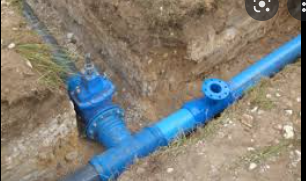
For above-ground pipes, one of two materials is used: copper or galvanised steel. Between the tank and the building, we ideally install underground pipework service in a trench. The trench needs to provide a minimum of 600mm of cover. You can see a typical trench diagram below. Our specialists will also provide you with a full specification of the trench requirements. And we offer advice on routing too. The shortest distance between the LPG tank and the building's entrance, in our opinion, is always the best option for cooking and heating. When the pipework reaches the outer walls, it comes to an end with an emergency control valve. We do not put in pipe within any buildings or above ground. Additionally, we never run plumbing beneath a building's footings.

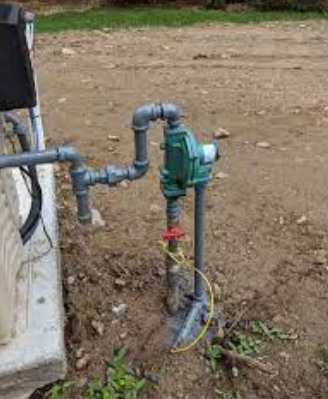
Before entering your home, the gas is lowered in pressure via a pressure regulator. When you turn on your gas furnace or stove, the gas pressure rises slightly beyond the air pressure; as a result, the gas flows out of the burner and into the cooking and heating unit to ignite it. By observing the sort of regulators that are fastened to the piping, you can determine whether your pipework is under low or medium pressure. If there is only one regulator on the tank and one close to where it enters the building, the pipework is probably operating at a medium pressure. A second stage regulator at the tank is a sign that the pipework is experiencing low pressure. Consult Kiakiagas if you are unsure about the pressure in your plumbing.

Types of Gas Piping

Steel, black iron, PVC, HDPE, copper, and polyvinyl chloride are the most often used materials to create gas piping. Before installing any of these items, make sure to check with your local utility to find out what is permitted in your region as certain utilities prohibit some of these products. If you employ a pro to handle the work, they will be aware of the regional specifications.


Flexible Corrugated Stainless Steel Tubing

Corrugated stainless steel tubing is adaptable and simple to install, and it works well in confined spaces and in places where there is a significant risk of natural disasters. Flexible corrugated stainless steel tubing can crack with time, despite the fact that its flexibility can reduce damage. Only use this material for gas piping within buildings.


Galvanized Steel

Galvanized steel gas pipes are strong and energy-efficient. Galvanized steel pipes are perfect for water supply lines and are frequently used for interior and external gas lines. Due to its labor-intensive nature in comparison to other materials, this material is typically seen in older homes and is not employed in modern building.

Black Iron

The most typical material for gas pipes, both inside and outside, is black iron. Strong and heat-resistant, the material may fit together to create an airtight seal. Black iron, however, is susceptible to corrosion and sealant degradation with time. If you need routine maintenance done on your black iron gas pipes, think about contacting a professional.

PVC

PVC gas pipes are sturdy and resistant to corrosion, making them ideal for underground outside gas lines. Although PVC pipes are a cheap choice, some places won't let you use them since they can break while being installed.

HDPE

HDPE pipes are excellent for subterranean external lines, just as PVC pipes. Although these flexible, low-cost plastic pipes are susceptible to damage from subsurface objects like pebbles and tree roots.

Copper

Given that certain localities forbid them, copper gas pipes have just a few applications. Copper pipes must adhere to severe code requirements because their projected lifespan is only 20 years.

Gas Piping Problems

Fires, explosions, and poor air quality can all result from gas piping issues. Consider hiring a professional to evaluate your heating system and perform any necessary repairs before turning it on for the season. Common indications of a gas pipe issue include:’

  • Leaks
  • Improper connections
  • Rusting
  • Hissing sounds
  • Rotten egg smells
  • High energy bills
  • Issues with gas-powered appliances

The majority of authorities forbid using gas piping as a method of electrical service grounding. But in many countries, bonding the gas piping to the electrical grounding system is necessary. This is often accomplished by joining the gas piping to the supply water piping near the water heater (provided it is grounded). We want to maintain the gas pipe at zero electrical potential by attaching it to the grounding system in order to prevent an electrical potential buildup that could result in arcing and ignite gas.


Inspection and maintenance

Whether it is above or below ground, service pipework must be constantly inspected and maintained. The pipework's owner is in charge of making sure it is routinely inspected and maintained. Despite the fact that it may have originally been placed by a supplier, this is most likely the site's owner and not the LPG provider. Considering the time since the pipework's last inspection and any actions taken since, it is necessary to invite the Kiakiagas to examine the pipework's condition and determine how long it can be used safely before its next examination. Excavating the pipe for inspection, especially if it is metallic, is currently the only really practical inspection option for buried pipes. When digging around pipes, caution should be taken to protect the pipe's corrosion protection. We would also evaluate the condition of any buried metallic pipework that is likely to deteriorate before excavation. Other tests are available for investigating the state of the pipework at the time of the test but these cannot give any assurances about its condition in the longer term.

Replacement

It is known that buried metallic pipework, even if it was protected when it was first installed, will corrode over time. Corrosion can result in LPG leaking from the pipe and can lead to a fire or explosion if ignited. Buried metallic pipework will therefore need to be replaced with pipe made from non-corroding material such as polyethylene. The suppliers of LPG have developed a prioritised replacement programme for buried metallic pipes. If you are contacted by your supplier about replacing buried metallic pipework then you should discuss this with them and make the necessary arrangements to have the pipework replaced.


Entry into premises

Pipework should enter a building above ground and it should be contained in a sleeve sealed to the structure. This will protect the pipe and help to stop any passage of LPG vapour into the building should the pipe develop a leak. Within the building, any pipework should ideally not travel through any unventilated void (eg underfloor space, cellar or basement). Where it passes through a cavity wall it should be sleeved to prevent gas entering the cavity should it leak.

When underground metallic pipework emerges from the ground to enter a building, it should be covered with a glass-reinforced plastic sleeve if it is made of polyethylene, the material of choice. This shields the pipe from physical harm and UV rays that may eventually cause it to become brittle. There should be an above-ground entrance from the riser into the building. This should be verified to see if it was previously covered by construction from earlier projects.  If the buried pipe is made from polyethylene, then before it enters the building there should be a transition to steel or copper piping which then enters the building.


The safest course of action is to hire a professional to install or repair your gas lines. A expert will know exactly how to handle gas, which is extremely combustible and potentially fatal. If you are unsure whether a cheaper offer is a good idea or not, don't take it. Because installing an LPG gas system might be hazardous, you need ensure that your safety is in the hands of a seasoned expert. Choosing Kiakiagas as your engineer for the LPG piping system, your safety is our number one priority. It is necessary to lower tank vapour pressures to the working pressure of appliances. In order to maintain the ideal supply pressure, regulators are installed. These have safety features that turn on automatically when necessary. Although there are numerous gas fitters available, it is usually preferable to work with a reputable specialist. Most specialists will buy their own gas piping because they have preferred brands of their own, but some will let you buy the supplies on your own. Kiakiagas conforms to all recognised international standards for LPG pipe engineering. We engage in the dimensioning and supply of full LPG piping systems that ensure the highest level of safety at a competitive price. We only work with HOME-FLEX, LDR, and STZ, Southland providers of LPG piping components that are well-known on a global scale. Our experts will handle the design to provide a sufficient supply of gas that complies with all applicable regulations.

KiakiaGas Limited is a leading Gas business in Lagos, Nigeria with expertise in carrying out feasibility study/Business plan on all forms of gas, including oxygen and other non-natural gas and LPG retailing, New Gas Market development, Building of Gas Plants and Gas strategy advisory. Supply by KiakiaGas provides LPG and Non LPG Gasses products and equipment for corporate and institutional clients for the project and operational needs. If you need a partner with hands-on local expertise in the Nigerian Gas space or any of our bespoke solutions/services, kindly mail hello@kiakiagas.com  to learn more.to learn more.

LPG or LNG, Which Gas is Most Effective for Industrial Use

Submitted by kiakiagas on


Liquefied petroleum gas (LPG), known in some countries as propane, butane, bottled gas, or cooking gas, is a clean-burning and efficient cooking fuel used by almost three billion people. For many urban and rural poor, it has long been an aspirational fuel. LPG is disliked by some in the development community because it is nonrenewable. However, because LPG is an unavoidable byproduct of oil and natural gas production and oil refining, there is a global supply. Some of the excesses are vented or flared at oil and gas production facilities, losing a valuable fuel supply and releasing carbon into the sky. It makes sense to use it for healthy cooking. Stored to maintain enough propane to meet the changing needs of its customers, the bulk plant is designed to receive and store large quantities of propane from the wholesaler and maintaining optimal operations in large scale LPG facilities is essential for a gaspreneur.

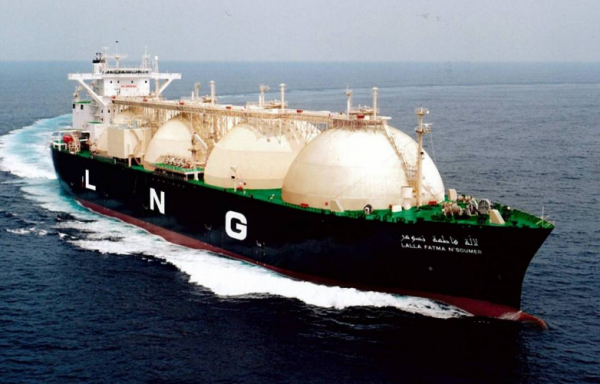
LNG on the other hand is a natural gas (NG) that has been liquefied for ease of storing and transporting which is 600 times smaller than natural gas when it is in its gaseous form, and it can be easily shipped overseas. LNG is produced by cooling natural gas below its boiling point, −162 °C (−259 °F), and is stored in double-walled cryogenic containers at or slightly above atmospheric pressure. By merely increasing the temperature, it can be transformed back to its gaseous state. Aside from Angola, Equatorial Guinea, and Cameroon, Nigeria is one of the countries blessed with LNG in Sub-Saharan Africa.


LPG for Cooking

Liquefied Petroleum Gas (LPG) is widely used for cooking around the world, but to a lesser level in most underdeveloped countries. LPG is a nonrenewable source of energy. However, when compared to cooking with hardwood or charcoal, it is commonly known that using LPG has few recorded negative health impacts. One of the main drivers of deforestation in Sub-Saharan Africa is the demand for firewood and charcoal as a source of cooking energy. Increasing the usage of LPG is one of the options for reducing the strain on forest resources. Cooking with biomass produces both greenhouse gas emissions and indoor pollution from black carbon. Kiakiagas has endeavor to reach different classes of people and orientate them on the benefit of LPG to their health. We also give information about how LPG is a more cost-effective, faster, and environmentally friendly cooking method than previous methods.

LNG Reduces Automobile Noise Pollution: In contrast with diesel vehicles, natural gas vehicles can minimize noise by as much as 50 percent, making it quieter when trucks go down the street. It not only makes cars quieter, it can also contribute to the development of more jobs. For every 1 percent rise in the production of natural gas, it is possible to generate about 35,000 jobs. The key factors for NGV adoption are economic advantages, environmental concerns, energy protection and NG availability. The three, key policy instruments are vehicle technology and fuel legislation, customers and/or suppliers incentives and market creation based on government fleets and direct investment in infrastructure.

LPG as Autogas: LPG is a widely used engine fuel. The annual usage of so-called autogas is estimated to be around 1.7 million tonnes, with an upward trend. On Polish highways, about 3 million cars with bifuel engines, predominantly spark ignition engines, are driven. The development of this type of fuel is accompanied by a large logistical infrastructure. LPG's unique advantages as an alternative engine fuel have been well recognised.


LNG is safer: Compared to gasoline and diesel, LNG is safer. When dispersed, LNG is non-toxic, non-corrosive, mix quickly and uniformly with air, have little potential for ground or water contamination in the event of release, are less combustible, have a slightly higher ignition point and can only ignite air concentrations of between 5 percent and 15 percent. They requires high auto-ignition compression energy and are less likely to auto-ignite on hot surfaces as it has a high temperature of about 640 ° C for ignition, compared to 230-280 ° C for gasoline.


Industrial Uses of LPG: Apart from being used as a residential fuel for heating and cooking, LPG has a variety of industrial and commercial applications. LPG gas is used in most industries since it is clean, safe, and efficient. It contains more energy than the majority of other fuels. Galvanizing, metal melting, heat treatment, and steam generation are some of the industrial applications of LPG. Galvanization is the process of coating iron or steel with a zinc layer to keep it from rusting. A hot zinc bath is used in the hot-dip galvanising process, and metals are dipped in it. Because the pre-heating time for the process is small, LPG plays a big role in this section, reducing the galvanization time.


LNG is Durable and Cost Efficient: LNG has a service life of two to three years longer than equivalent traditional vehicles because LNG is a safer fuel that burns, and the time between regular maintenance tests is longer. Usually, however, the acquisition cost is around 10-15 percent higher. The cost and restricted supply of LPG/LNG from the original equipment manufacturer facilitated the conversion of conventional vehicles worldwide to dual-fuel or bi-fuel. The cost of retrofitting varies across countries and in some they are subsidized.

The use of LPG or LNG for the industrial setting is extremely fine. The ambient plum emissions from vehicle exhaust sprays is one of the cleanest fuels available in the Sub-Saharan countries, where gasoline with high volume of emission that is dangerous to human health is into use. This emission pollutes the air and paves the way for inhaling contaminated oxygen. LNG emissions are reduced 90 to 97 per cent by the use of carbon monoxide. Indeed, the conversion of one vehicle from diesel to gas in terms of emissions control harmful emission equivalent to as many as 325 vehicles being taken off the roads. The use of LPG or LNG rather than diesel or gasoline helps to minimize particles from vehicles’ emission, which could make asthma and other breathing problems worse.


Depending on the project structure, the marketer of the acquired LPG or LNG for commercial usage may be distinct from the purchaser. The question is whether an investor's share of non-LPG gasses for commercial purposes is marketed individually or whether LNG is marketed by a separate corporate entity. Because only one operator is involved in building activities, the integrated structure for LPG or LNG for commercial usage offers operating efficiencies. Transparency and coordination between the operators can help to overcome the operational inefficiencies of having two operators. Separate projects for commercial uses of non-LPG gases might result in project-on-project risk, in which one project is completed before the other.

THE NEED FOR A FEASIBILITY STUDY

There is a need to develop a viable feasibility study in order to maximize the potential opportunities that come with the LPG or LNG for commercial uses and to minimize the potential threats associated with it. A feasibility study examines all of a project's pertinent aspects, including economic, technical, legal, and scheduling issues, in order to determine the project's chances of success. The feasibility study looks into the viability of a possible business project, i.e., (a) is the project worth the investment; or (b) is the project unworkable because it won't generate profits or takes too many resources that an organization could employ elsewhere. In recent years, doing a preliminary feasibility study before a complete trial has grown more usual. A feasibility study is always beneficial to a LNG project because it provides a clearer picture of what is being proposed. Some of the key advantages of conducting a feasibility study include:

• Enhances the success rate by assessing several parameters

• Improves project team focus

• Identifies new opportunities

• Provides valuable information for the "go/no go" decision

• Narrows the business options

• Identifies the valid reason(s) to pursue the project

• Assists in project decision-making

• Identifies grounds to abandon the project


The relevance of a feasibility study stems from the company's goal to "get it right" before investing time, money, and resources. A feasibility study may unearth fresh ideas that totally alter the scope of a project. It is important not to take the choice to perform a feasibility study carelessly. It is a process that takes some time. However, failing to undertake a feasibility study can be much more costly in terms of the poor decisions you may make as a result of failing to do so. Hiring an expert does not negate your responsibility for ensuring that the feasibility study is conducted properly. This has given us more reasons at KIAKIAGAS Nigeria Limited to engage you in the project and the evaluation process, understand the issues involved, question the basic assumptions used in the study, and challenge the conclusions of the study. If you are a busy person, a team from your organization can represent you. Your representatives serve as a link between the KIAKIAGAS and your organization, ensuring that the study moves forward in accordance with the project's goals. They will be fully carried along to ensure that they have a solid understanding of the project in order to accomplish these jobs effectively.


KiakiaGas Limited is a leading Gas business in Lagos, Nigeria with expertise in LPG retailing, New Gas Market development, Building of Gas Plants and Gas strategy advisory. Supply by KiakiaGas provides LPG and LNG products equipment for corporate and institutional clients for the project and operational needs. If you need a partner with hands-on local expertise in the Nigerian Gas space or any of our bespoke solutions/services, kindly visit hello@kiakiagas.com to learn more.to learn more.


ARE LPG BUSINESSES PROFITABLE

Submitted by kiakiagas on

Nigeria offers several investment opportunities in a variety of industries, including gas production, financial services, and real estate. The gas industries, as well as other industries, are growing, and new investment opportunities are emerging on a daily basis. New productive industries must be formed in order for our economy to grow. This will create jobs, raw materials for our businesses, physical growth, and, most importantly, self-sufficiency. Within the petrochemical business, Liquefied Petroleum Gas (LPG) presents a fantastic investment opportunity. The LPG business was created expressly to meet the country's industrial and domestic gas needs. LPG is required in practically every element of business. For example, the automotive industry, manufacturing plants, and thermal energy generation are all in high demand. On a residential level, most households, particularly those in the middle and higher classes, increasingly rely on gas for cooking. Since firewood and kerosene stoves are quickly becoming outdated, hotels, catering companies, restaurants, and bakeries all want LPG as an alternate source of energy.


The distribution of gas products has been deregulated as a result of the record demand for LPG in Nigeria and the resulting scarcity of the product, which has resulted in abrupt and arbitrary price hikes. As a result, private individuals and businesses can now build LPG facilities. This product has been made available by the government. A 12.5kg cylinder used to cost between N3, 200 and N4, 000, which was considered excessive and unaffordable by many Nigerians. Today, the price ranges from N2,000 to N2,500, which is considered modest and affordable.

Source of the Product

This product is sourced entirely locally as a by-product of petroleum refining operations. As a result, the raw material will be supplied by our refineries in Warri, Port Harcourt, and Kaduna. Aside from refineries, several independent marketers import large quantities of LPG cooking gas to assure consistent supply to small and medium-sized gas bottling and marketing businesses. Small and medium gas filling (bottling) and marketing enterprises are now available to potential investors.

Project location

The project can be located anywhere, however the location should be accessible but away from residential areas. Infrastructures such as good roads, proximity to the market, and skilled labor should all be taken into account.

Equipment and machine

Storage tanks, a filling shed, containers, cylinders, and a pump/compressor are all required. A facility for servicing cylinders should also be available. Gas storage tanks with fittings, filling heads and scales, a chain conveyor, pipes and valves, and fire-fighting equipment are among the machinery and equipment. Prospective investors will be given more information.

Labor requirement

Plant managers, engineers, marketing managers, accountants, supervisors, operators, drivers, and messengers, among others, will be needed. All staff should be trained in fire prevention and safety measures. At critical locations, bold warnings against the use of naked fire should be erected. The writer can provide all of the information, including the source of machinery and equipment, licensing procedures, plant layout, labor and management, filling operations, and a bankable feasibility report for potential promoters, upon request.

Capacity of the plant

The proposed plant will be capable of filling 500 of 12.5kg cylinders each day. A total of 105,000 cylinders will be filled and sold at a conservative market scenario at 75% capacity for 280 days per year. Depending on the promoters' wishes, the capacity could be reduced or raised.

Project take-off cost

A detailed feasibility study should be conducted to determine the actual cost of developing the project, taking into account the promoters' planned project site. According to our calculations, the promoters can earn about N126 million in the first year. The project's viability analysis shows that the initial investment will be repaid within the first year of operation. The reason is not implausible. Nigerians, particularly those in the country's urban centers, are now consuming significant amounts of gas. Aside from the short payback period, the NPV, IRR, and profitability index all indicate to the enormous financial gains that any serious investor who takes advantage of the gas industry's investment opportunity will get.

The sudden shift by Nigerians from the use of dirty fuel such as kerosene, firewood and charcoal to a cleaner and more environmentally friendly source of energy, which is the Liquefied Petroleum Gas (LPG) popularly called cooking gas, may have opened a new vista of investment opportunities for Nigerian entrepreneurs. Though Nigeria still ranks lowest in per capita usage of LPG with 1.1 kilogramme consumption rate behind South Africa, Morocco and Ghana, the intervention of the Nigerian Liquefied Natural Gas (NLNG) Limited has somewhat helped Nigerians to embrace the use of LPG. Prior to the intervention of NLNG in the domestic  gas market, the use of LPG was exclusively for the rich because the price was out of the reach of the common man as LPG was majorly imported with annual consumption rate of 70,000 metric tonnes per annum. The coming on stream of NLNG broke that monopoly and afforded a lot of Nigerians to begin the use of LPG as against the kerosene and other unconventional sources of energy. The incursion of NLNG into the domestic gas market equally created massive investment opportunities for local players to key into the LPG value chain business.
Nigeria, according to statistics from the Nigeria Liquefied Petroleum Gas Association (NLPGA), currently consumes 385,000 metric tonnes of LPG per annum, up from the 2013 consumption of 250,000. This is even considered too low when compared with Ghana, Senegal, Cameroon and Kenya’s utilisation.

Implementation Process

To get started on this project, you'll need to do thorough feasibility studies and create a very realistic business strategy. The finance agreement will then be finalized. There are options for borrowing from certain financial institutions, which will be provided to prospective investors upon request. The writer will assist in the preparation of complete and bankable feasibility studies reports, as well as the acquisition and installation of all necessary machines and equipment, as well as test running and staff training. Despite the massive investment opportunities that abound in this sector, one area that is still largely untapped is investment in LPG plant. While other areas of the value chain such as the retail arm, gas accessories and parts, investment in LPG is at its lowest ebb. This development can be said to be partly responsible for the high cost of cooking gas because there are only few players in this sub-sector of the LPG arm of business, with the few operators smiling to the banks on a daily basis as a result of huge returns on investment. Establishing LPG plant cooking gas business is very profitable and you don’t have to break the bank before you can start. You will get your business set up and ready to go with almost everything necessary in place I guided by the Kiakiagas. And this is a big business that anyone who is into it can be proud of. But beyond the financial requirement needed to establish an LPG plant, there are statutory regulatory guidelines that must be met before license can be issued.


These standards are prescribed by the oil and gas industry regulator – Department of Petroleum Resources (DPR). Application procedure According to documents made available to Daily Sun by NLPGA, prospective investors shall, in accordance with Part VI, Section 87, Sub-section (2) of the Petroleum Regulation 1967, petroleum gas plant or installation shall not be constructed or modified without approval granted by DPR. Accordingly, all applications for approval to construct/modify an LPG plant or installation shall be addressed to the Director of Petroleum Resources, giving full details of the proposals. Each application shall be accompanied by three copies of the following:


Detailed approved plans drawings showing the existing or proposed buildings on the site and the relative distances to the roadways and adjoining properties, alongside    piping and instrumentation diagram of the gas filling plant and sectional design drawings of the storage tanks shall equally be provided. The NLPGA document stipulates that a certificate signed by the Chief Federal/State Fire Officer or an officer authorised by him in that behalf, that he is satisfied with the proposed arrangements for the prevention of fire; letter from the appropriate town planning authority authorising siting of the LPG filling plant at the proposed arrangements for the prevention of fire and an evidence that the company is duly incorporated by the Federal Ministry of Trade to deal in petroleum products. Other requirements include current three-year tax clearance certificate, codes, standards and specifications adopted in the design of the tanks, non-destructive examination report or pressure test report of the LPG storage (pressure) tank and an application fee of N10,000 in bank draft drawn in favour of the Federal Government of Nigeria, DPR payable on submission. This process might look complicated, however, with our knowledge, experience and cordial relationship with the DPR officials, Kiakiagas will easily get all the required papers for you while saving your resources and without you going through the stress. Kiakiagas possess LPG implementation skills with which you can have your papers and other necessary document that back up your propose LPG plant from not only the DPR but also other LPG regulating government agencies. Kiakiagas will guide and direct you to the next point of action after acquiring the necessary papers. We are good at what we do and we do not abandon our clients or upcoming entrepreneur in the field of LPG. Our reputation speaks for us in the gas industry. Now let us move on to setting up a gas plant.

Risks in LPG business According to Darlinton Omeh, an investment analyst, every business has its peculiar setback and the biggest risk in cooking gas business is fire explosion, which is very common due to the high inflammable nature of liquefied natural gas. That isn’t much problem though since it can easily be mitigated or even avoided. ‘‘To be able to curtail this, you need to be alert at all times to detect when there is leakage in those cylinders as leakage is one of the major causes of fire and explosion. You also need to buy good fire extinguisher that can be very handy in time of minor fire outbreak,’’ he said.

Another risk in the business is government regulation. Should government decide to increase the price of LPG today, some consumers may find it difficult to take and have to go back to using kerosene or firewood. If that happens, you lose some customers and your sales will drop. However, government is always trying to reduce the price of cooking gas to encourage its usage and discourage deforestation. Other opportunities Another opportunity inherent in the cooking gas value chain is the sale of cylinders and accessories, which can be managed alongside the gas plant, offering a one-stop service for customers. “This is relatively the lowest profit you can make in cooking gas business if you are in respectable position where you get good patronage. Most people make much more than what I calculated here. So, it’s not in any way by exaggeration. “For a business you started with N300,000, N150,000 profit is a super profit by all standards. Imagine if you invest more resources and take it higher, your profit will be much more mouth watering. Gas companies, both the suppliers and retailers are making good money in the business,’’ he said. It is good news that more Nigerians are beginning to use cooking gas for various domestic cooking purposes. That will help decrease the problems of deforestation and help conserve the nation’s natural forests and prevent potential disasters inherent in desert encroachment such as erosion. Apart from the environmental benefits, the increased number of people, especially in urban areas, who are using cooking gas has created good business opportunity for smart entrepreneurs who can now trade on cooking gas and cooking gas equipment to make good profits.

Cooking gas business is very profitable and you don’t have to break the bank before you can start. With N300,000, you will get your business set up and ready to go with almost everything necessary in place. And this is a big business that anyone who is into it can be proud of.
Gas cylinders How exactly can one start cooking gas business in Nigeria? Before we go into the details, let us first take a look into the profit potential in this business as well as the risks involved.
If you have been observing the news lately, there is a push by the federal government of Nigeria to deepen the usage of LPG in the country.  And this push will start yielding results soon. If you have been procrastinating about starting your own cooking gas plant, this maybe the reason to revisit that plan and put it back to work. 

Understand LPG Demand Curve

Now imagine if we can switch another 25% of our population from House Hold Kerosene to cooking gas in the next 36 months 50% of annual consumption= 600million kg (1.54billion Litres).  Cooking gas business is a very profitable business, but just like every other en-devour of life, it comes with its own challenges. Most of the energy used for domestic cooking in Nigerian homes comes from traditional forms of energy like HHK (kerosene) which accounts for 65-70% of the energy consumption in Nigeria, LPG stands at 25%, while other fossil fuels like firewood and coals accounts for the remaining 5%.

Another reason is that demand does not change on a daily basis like fuel usage. Yes, cooking gas demand is not everyday, but consider the demand curve if every household in the country utilizes cooking gas. Nigeria's average household size is six people, according to the United Nations. When you split 200 million by six people per family, you get 33 million people who buy cooking gas on a monthly basis. Because the demand curve is still expanding, many people are unaware of it. Positioning oneself in the market now is equivalent to purchasing Bitcoin at a price of 0.0003 dollars. Remember that this is a moving market. Exponential growth is possible.

How Mini LPG Depot Works

The issues in the Nigerian LPG market have created a massive supply vacuum that is becoming increasingly difficult to fill. NNPC, the government agency in charge of oil and gas, has never been able to close any of the supply gaps that have existed throughout the years. However, with the correct investment, this gap can be filled with a tiny LPG Depot facility by looking into existing LPG rules. The concept is to find a state or area that can meet the LPG supply demands of numerous states and set up a micro depot there. This strategic placement is your micro depot's greatest asset.

It would be a mistake to start such a project without competent direction. You'll need an expert consultant who understands the LPG supply, distribution, and retail business models from all angles. A consultant who can effectively convey the notion of a small LPG depot. Assist you in putting together a reasonable plan. Search assistance and advice on the best location for the miniature plant. Assist in the development and implementation of a successful marketing strategy. Assist in the formation and management of the appropriate team to ensure project completion. And serve as the project's advisory team leader for the duration of the project and beyond. And, when it comes to marketing, it must take place both before and after the factory is built. During the feasibility plan, a marketing plan with proper accountability of all target retail plants within the identified market should be written up. This figure is crucial in determining the project's economic potential. The Kiakiagas Nigeria Limited, which has a solid reputation for establishing gas plants that include not only LPG but also CNG/LNG, auto gas, oxygen plants, and shipping, is the proper and finest option to consider. Our crew is up to the task, and we follow the DPR's instructions by using imported goods. Our staff has undergone extensive training to ensure that installations are carried out using the most up-to-date technology. We can also assist you in obtaining the appropriate permissions and ensuring that all gas pumps and dispensing systems are approved and tested extensively. KIAKIAGAS is a one-stop-shop for all things gas, from pipeline to pump. As an added bonus for convenience stores, KIAKIAGAS carries leading gas pump and dispense equipment manufacturers such as Casper.


Kiakiagas Limited is a leading Gas business in Lagos, Nigeria with expertise in commercial gas pump and dispenses equipment, LPG retailing, New Gas Market development, building of Gas Plants and Gas strategy advisory. Supply by Kiakiagas provides LPG products and equipment for corporate and institutional clients for the project and operational needs. If you need a partner with hands-on local expertise in the Nigerian Gas space or any of our bespoke solutions/services, kindly Mail hello@kiakiagas.com to learn more.to learn more.
 

ARE BUSINESSES PROFITABLE

Submitted by kiakiagas on

Nigeria offers several investment opportunities in a variety of industries, including gas production, financial services, and real estate. The gas industries, as well as other industries, are growing, and new investment opportunities are emerging on a daily basis. New productive industries must be formed in order for our economy to grow. This will create jobs, raw materials for our businesses, physical growth, and, most importantly, self-sufficiency. Within the petrochemical business, Liquefied Petroleum Gas (LPG) presents a fantastic investment opportunity. The LPG business was created expressly to meet the country's industrial and domestic gas needs. LPG is required in practically every element of business. For example, the automotive industry, manufacturing plants, and thermal energy generation are all in high demand. On a residential level, most households, particularly those in the middle and higher classes, increasingly rely on gas for cooking. Since firewood and kerosene stoves are quickly becoming outdated, hotels, catering companies, restaurants, and bakeries all want LPG as an alternate source of energy.


The distribution of gas products has been deregulated as a result of the record demand for LPG in Nigeria and the resulting scarcity of the product, which has resulted in abrupt and arbitrary price hikes. As a result, private individuals and businesses can now build LPG facilities. This product has been made available by the government. A 12.5kg cylinder used to cost between N3, 200 and N4, 000, which was considered excessive and unaffordable by many Nigerians. Today, the price ranges from N2,000 to N2,500, which is considered modest and affordable.

Source of the Product

This product is sourced entirely locally as a by-product of petroleum refining operations. As a result, the raw material will be supplied by our refineries in Warri, Port Harcourt, and Kaduna. Aside from refineries, several independent marketers import large quantities of LPG cooking gas to assure consistent supply to small and medium-sized gas bottling and marketing businesses. Small and medium gas filling (bottling) and marketing enterprises are now available to potential investors.

Project location

The project can be located anywhere, however the location should be accessible but away from residential areas. Infrastructures such as good roads, proximity to the market, and skilled labor should all be taken into account.

Equipment and machine

Storage tanks, a filling shed, containers, cylinders, and a pump/compressor are all required. A facility for servicing cylinders should also be available. Gas storage tanks with fittings, filling heads and scales, a chain conveyor, pipes and valves, and fire-fighting equipment are among the machinery and equipment. Prospective investors will be given more information.

Labor requirement

Plant managers, engineers, marketing managers, accountants, supervisors, operators, drivers, and messengers, among others, will be needed. All staff should be trained in fire prevention and safety measures. At critical locations, bold warnings against the use of naked fire should be erected. The writer can provide all of the information, including the source of machinery and equipment, licensing procedures, plant layout, labor and management, filling operations, and a bankable feasibility report for potential promoters, upon request.

Capacity of the plant

The proposed plant will be capable of filling 500 of 12.5kg cylinders each day. A total of 105,000 cylinders will be filled and sold at a conservative market scenario at 75% capacity for 280 days per year. Depending on the promoters' wishes, the capacity could be reduced or raised.

Project take-off cost

A detailed feasibility study should be conducted to determine the actual cost of developing the project, taking into account the promoters' planned project site. According to our calculations, the promoters can earn about N126 million in the first year. The project's viability analysis shows that the initial investment will be repaid within the first year of operation. The reason is not implausible. Nigerians, particularly those in the country's urban centers, are now consuming significant amounts of gas. Aside from the short payback period, the NPV, IRR, and profitability index all indicate to the enormous financial gains that any serious investor who takes advantage of the gas industry's investment opportunity will get.

The sudden shift by Nigerians from the use of dirty fuel such as kerosene, firewood and charcoal to a cleaner and more environmentally friendly source of energy, which is the Liquefied Petroleum Gas (LPG) popularly called cooking gas, may have opened a new vista of investment opportunities for Nigerian entrepreneurs. Though Nigeria still ranks lowest in per capita usage of LPG with 1.1 kilogramme consumption rate behind South Africa, Morocco and Ghana, the intervention of the Nigerian Liquefied Natural Gas (NLNG) Limited has somewhat helped Nigerians to embrace the use of LPG. Prior to the intervention of NLNG in the domestic  gas market, the use of LPG was exclusively for the rich because the price was out of the reach of the common man as LPG was majorly imported with annual consumption rate of 70,000 metric tonnes per annum. The coming on stream of NLNG broke that monopoly and afforded a lot of Nigerians to begin the use of LPG as against the kerosene and other unconventional sources of energy. The incursion of NLNG into the domestic gas market equally created massive investment opportunities for local players to key into the LPG value chain business.
Nigeria, according to statistics from the Nigeria Liquefied Petroleum Gas Association (NLPGA), currently consumes 385,000 metric tonnes of LPG per annum, up from the 2013 consumption of 250,000. This is even considered too low when compared with Ghana, Senegal, Cameroon and Kenya’s utilisation.

Implementation Process

To get started on this project, you'll need to do thorough feasibility studies and create a very realistic business strategy. The finance agreement will then be finalized. There are options for borrowing from certain financial institutions, which will be provided to prospective investors upon request. The writer will assist in the preparation of complete and bankable feasibility studies reports, as well as the acquisition and installation of all necessary machines and equipment, as well as test running and staff training. Despite the massive investment opportunities that abound in this sector, one area that is still largely untapped is investment in LPG plant. While other areas of the value chain such as the retail arm, gas accessories and parts, investment in LPG is at its lowest ebb. This development can be said to be partly responsible for the high cost of cooking gas because there are only few players in this sub-sector of the LPG arm of business, with the few operators smiling to the banks on a daily basis as a result of huge returns on investment. Establishing LPG plant cooking gas business is very profitable and you don’t have to break the bank before you can start. You will get your business set up and ready to go with almost everything necessary in place I guided by the Kiakiagas. And this is a big business that anyone who is into it can be proud of. But beyond the financial requirement needed to establish an LPG plant, there are statutory regulatory guidelines that must be met before license can be issued.


These standards are prescribed by the oil and gas industry regulator – Department of Petroleum Resources (DPR). Application procedure According to documents made available to Daily Sun by NLPGA, prospective investors shall, in accordance with Part VI, Section 87, Sub-section (2) of the Petroleum Regulation 1967, petroleum gas plant or installation shall not be constructed or modified without approval granted by DPR. Accordingly, all applications for approval to construct/modify an LPG plant or installation shall be addressed to the Director of Petroleum Resources, giving full details of the proposals. Each application shall be accompanied by three copies of the following:


Detailed approved plans drawings showing the existing or proposed buildings on the site and the relative distances to the roadways and adjoining properties, alongside    piping and instrumentation diagram of the gas filling plant and sectional design drawings of the storage tanks shall equally be provided. The NLPGA document stipulates that a certificate signed by the Chief Federal/State Fire Officer or an officer authorised by him in that behalf, that he is satisfied with the proposed arrangements for the prevention of fire; letter from the appropriate town planning authority authorising siting of the LPG filling plant at the proposed arrangements for the prevention of fire and an evidence that the company is duly incorporated by the Federal Ministry of Trade to deal in petroleum products. Other requirements include current three-year tax clearance certificate, codes, standards and specifications adopted in the design of the tanks, non-destructive examination report or pressure test report of the LPG storage (pressure) tank and an application fee of N10,000 in bank draft drawn in favour of the Federal Government of Nigeria, DPR payable on submission. This process might look complicated, however, with our knowledge, experience and cordial relationship with the DPR officials, Kiakiagas will easily get all the required papers for you while saving your resources and without you going through the stress. Kiakiagas possess LPG implementation skills with which you can have your papers and other necessary document that back up your propose LPG plant from not only the DPR but also other LPG regulating government agencies. Kiakiagas will guide and direct you to the next point of action after acquiring the necessary papers. We are good at what we do and we do not abandon our clients or upcoming entrepreneur in the field of LPG. Our reputation speaks for us in the gas industry. Now let us move on to setting up a gas plant.

Risks in LPG business According to Darlinton Omeh, an investment analyst, every business has its peculiar setback and the biggest risk in cooking gas business is fire explosion, which is very common due to the high inflammable nature of liquefied natural gas. That isn’t much problem though since it can easily be mitigated or even avoided. ‘‘To be able to curtail this, you need to be alert at all times to detect when there is leakage in those cylinders as leakage is one of the major causes of fire and explosion. You also need to buy good fire extinguisher that can be very handy in time of minor fire outbreak,’’ he said.

Another risk in the business is government regulation. Should government decide to increase the price of LPG today, some consumers may find it difficult to take and have to go back to using kerosene or firewood. If that happens, you lose some customers and your sales will drop. However, government is always trying to reduce the price of cooking gas to encourage its usage and discourage deforestation. Other opportunities Another opportunity inherent in the cooking gas value chain is the sale of cylinders and accessories, which can be managed alongside the gas plant, offering a one-stop service for customers. “This is relatively the lowest profit you can make in cooking gas business if you are in respectable position where you get good patronage. Most people make much more than what I calculated here. So, it’s not in any way by exaggeration. “For a business you started with N300,000, N150,000 profit is a super profit by all standards. Imagine if you invest more resources and take it higher, your profit will be much more mouth watering. Gas companies, both the suppliers and retailers are making good money in the business,’’ he said. It is good news that more Nigerians are beginning to use cooking gas for various domestic cooking purposes. That will help decrease the problems of deforestation and help conserve the nation’s natural forests and prevent potential disasters inherent in desert encroachment such as erosion. Apart from the environmental benefits, the increased number of people, especially in urban areas, who are using cooking gas has created good business opportunity for smart entrepreneurs who can now trade on cooking gas and cooking gas equipment to make good profits.

Cooking gas business is very profitable and you don’t have to break the bank before you can start. With N300,000, you will get your business set up and ready to go with almost everything necessary in place. And this is a big business that anyone who is into it can be proud of.
Gas cylinders How exactly can one start cooking gas business in Nigeria? Before we go into the details, let us first take a look into the profit potential in this business as well as the risks involved.
If you have been observing the news lately, there is a push by the federal government of Nigeria to deepen the usage of LPG in the country.  And this push will start yielding results soon. If you have been procrastinating about starting your own cooking gas plant, this maybe the reason to revisit that plan and put it back to work. 

Understand LPG Demand Curve

Now imagine if we can switch another 25% of our population from House Hold Kerosene to cooking gas in the next 36 months 50% of annual consumption= 600million kg (1.54billion Litres).  Cooking gas business is a very profitable business, but just like every other en-devour of life, it comes with its own challenges. Most of the energy used for domestic cooking in Nigerian homes comes from traditional forms of energy like HHK (kerosene) which accounts for 65-70% of the energy consumption in Nigeria, LPG stands at 25%, while other fossil fuels like firewood and coals accounts for the remaining 5%.

Another reason is that demand does not change on a daily basis like fuel usage. Yes, cooking gas demand is not everyday, but consider the demand curve if every household in the country utilizes cooking gas. Nigeria's average household size is six people, according to the United Nations. When you split 200 million by six people per family, you get 33 million people who buy cooking gas on a monthly basis. Because the demand curve is still expanding, many people are unaware of it. Positioning oneself in the market now is equivalent to purchasing Bitcoin at a price of 0.0003 dollars. Remember that this is a moving market. Exponential growth is possible.

How Mini LPG Depot Works

The issues in the Nigerian LPG market have created a massive supply vacuum that is becoming increasingly difficult to fill. NNPC, the government agency in charge of oil and gas, has never been able to close any of the supply gaps that have existed throughout the years. However, with the correct investment, this gap can be filled with a tiny LPG Depot facility by looking into existing LPG rules. The concept is to find a state or area that can meet the LPG supply demands of numerous states and set up a micro depot there. This strategic placement is your micro depot's greatest asset.

It would be a mistake to start such a project without competent direction. You'll need an expert consultant who understands the LPG supply, distribution, and retail business models from all angles. A consultant who can effectively convey the notion of a small LPG depot. Assist you in putting together a reasonable plan. Search assistance and advice on the best location for the miniature plant. Assist in the development and implementation of a successful marketing strategy. Assist in the formation and management of the appropriate team to ensure project completion. And serve as the project's advisory team leader for the duration of the project and beyond. And, when it comes to marketing, it must take place both before and after the factory is built. During the feasibility plan, a marketing plan with proper accountability of all target retail plants within the identified market should be written up. This figure is crucial in determining the project's economic potential. The Kiakiagas Nigeria Limited, which has a solid reputation for establishing gas plants that include not only LPG but also CNG/LNG, auto gas, oxygen plants, and shipping, is the proper and finest option to consider. Our crew is up to the task, and we follow the DPR's instructions by using imported goods. Our staff has undergone extensive training to ensure that installations are carried out using the most up-to-date technology. We can also assist you in obtaining the appropriate permissions and ensuring that all gas pumps and dispensing systems are approved and tested extensively. KIAKIAGAS is a one-stop-shop for all things gas, from pipeline to pump. As an added bonus for convenience stores, KIAKIAGAS carries leading gas pump and dispense equipment manufacturers such as Casper.


Kiakiagas Limited is a leading Gas business in Lagos, Nigeria with expertise in commercial gas pump and dispenses equipment, LPG retailing, New Gas Market development, building of Gas Plants and Gas strategy advisory. Supply by Kiakiagas provides LPG products and equipment for corporate and institutional clients for the project and operational needs. If you need a partner with hands-on local expertise in the Nigerian Gas space or any of our bespoke solutions/services, kindly Mail hello@kiakiagas.com to learn more.to learn more.
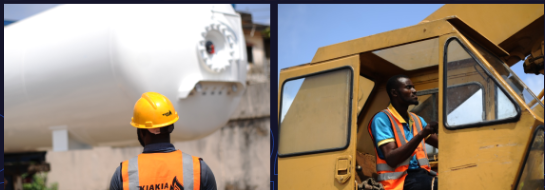
 

ARE BUSINESSES PROFITABLE

Submitted by kiakiagas on

Nigeria offers several investment opportunities in a variety of industries, including gas production, financial services, and real estate. The gas industries, as well as other industries, are growing, and new investment opportunities are emerging on a daily basis. New productive industries must be formed in order for our economy to grow. This will create jobs, raw materials for our businesses, physical growth, and, most importantly, self-sufficiency. Within the petrochemical business, Liquefied Petroleum Gas (LPG) presents a fantastic investment opportunity. The LPG business was created expressly to meet the country's industrial and domestic gas needs. LPG is required in practically every element of business. For example, the automotive industry, manufacturing plants, and thermal energy generation are all in high demand. On a residential level, most households, particularly those in the middle and higher classes, increasingly rely on gas for cooking. Since firewood and kerosene stoves are quickly becoming outdated, hotels, catering companies, restaurants, and bakeries all want LPG as an alternate source of energy.

The distribution of gas products has been deregulated as a result of the record demand for LPG in Nigeria and the resulting scarcity of the product, which has resulted in abrupt and arbitrary price hikes. As a result, private individuals and businesses can now build LPG facilities. This product has been made available by the government. A 12.5kg cylinder used to cost between N3, 200 and N4, 000, which was considered excessive and unaffordable by many Nigerians. Today, the price ranges from N2,000 to N2,500, which is considered modest and affordable.

Source of the Product

This product is sourced entirely locally as a by-product of petroleum refining operations. As a result, the raw material will be supplied by our refineries in Warri, Port Harcourt, and Kaduna. Aside from refineries, several independent marketers import large quantities of LPG cooking gas to assure consistent supply to small and medium-sized gas bottling and marketing businesses. Small and medium gas filling (bottling) and marketing enterprises are now available to potential investors.

Project location

The project can be located anywhere, however the location should be accessible but away from residential areas. Infrastructures such as good roads, proximity to the market, and skilled labor should all be taken into account.

Equipment and machine

Storage tanks, a filling shed, containers, cylinders, and a pump/compressor are all required. A facility for servicing cylinders should also be available. Gas storage tanks with fittings, filling heads and scales, a chain conveyor, pipes and valves, and fire-fighting equipment are among the machinery and equipment. Prospective investors will be given more information.

Labor requirement

Plant managers, engineers, marketing managers, accountants, supervisors, operators, drivers, and messengers, among others, will be needed. All staff should be trained in fire prevention and safety measures. At critical locations, bold warnings against the use of naked fire should be erected. The writer can provide all of the information, including the source of machinery and equipment, licensing procedures, plant layout, labor and management, filling operations, and a bankable feasibility report for potential promoters, upon request.

Capacity of the plant

The proposed plant will be capable of filling 500 of 12.5kg cylinders each day. A total of 105,000 cylinders will be filled and sold at a conservative market scenario at 75% capacity for 280 days per year. Depending on the promoters' wishes, the capacity could be reduced or raised.

Project take-off cost

A detailed feasibility study should be conducted to determine the actual cost of developing the project, taking into account the promoters' planned project site. According to our calculations, the promoters can earn about N126 million in the first year. The project's viability analysis shows that the initial investment will be repaid within the first year of operation. The reason is not implausible. Nigerians, particularly those in the country's urban centers, are now consuming significant amounts of gas. Aside from the short payback period, the NPV, IRR, and profitability index all indicate to the enormous financial gains that any serious investor who takes advantage of the gas industry's investment opportunity will get.

The sudden shift by Nigerians from the use of dirty fuel such as kerosene, firewood and charcoal to a cleaner and more environmentally friendly source of energy, which is the Liquefied Petroleum Gas (LPG) popularly called cooking gas, may have opened a new vista of investment opportunities for Nigerian entrepreneurs. Though Nigeria still ranks lowest in per capita usage of LPG with 1.1 kilogramme consumption rate behind South Africa, Morocco and Ghana, the intervention of the Nigerian Liquefied Natural Gas (NLNG) Limited has somewhat helped Nigerians to embrace the use of LPG. Prior to the intervention of NLNG in the domestic  gas market, the use of LPG was exclusively for the rich because the price was out of the reach of the common man as LPG was majorly imported with annual consumption rate of 70,000 metric tonnes per annum. The coming on stream of NLNG broke that monopoly and afforded a lot of Nigerians to begin the use of LPG as against the kerosene and other unconventional sources of energy. The incursion of NLNG into the domestic gas market equally created massive investment opportunities for local players to key into the LPG value chain business.
Nigeria, according to statistics from the Nigeria Liquefied Petroleum Gas Association (NLPGA), currently consumes 385,000 metric tonnes of LPG per annum, up from the 2013 consumption of 250,000. This is even considered too low when compared with Ghana, Senegal, Cameroon and Kenya’s utilisation.

Implementation Process

To get started on this project, you'll need to do thorough feasibility studies and create a very realistic business strategy. The finance agreement will then be finalized. There are options for borrowing from certain financial institutions, which will be provided to prospective investors upon request. The writer will assist in the preparation of complete and bankable feasibility studies reports, as well as the acquisition and installation of all necessary machines and equipment, as well as test running and staff training. Despite the massive investment opportunities that abound in this sector, one area that is still largely untapped is investment in LPG plant. While other areas of the value chain such as the retail arm, gas accessories and parts, investment in LPG is at its lowest ebb. This development can be said to be partly responsible for the high cost of cooking gas because there are only few players in this sub-sector of the LPG arm of business, with the few operators smiling to the banks on a daily basis as a result of huge returns on investment. Establishing LPG plant cooking gas business is very profitable and you don’t have to break the bank before you can start. You will get your business set up and ready to go with almost everything necessary in place I guided by the Kiakiagas. And this is a big business that anyone who is into it can be proud of. But beyond the financial requirement needed to establish an LPG plant, there are statutory regulatory guidelines that must be met before license can be issued.


These standards are prescribed by the oil and gas industry regulator – Department of Petroleum Resources (DPR). Application procedure According to documents made available to Daily Sun by NLPGA, prospective investors shall, in accordance with Part VI, Section 87, Sub-section (2) of the Petroleum Regulation 1967, petroleum gas plant or installation shall not be constructed or modified without approval granted by DPR. Accordingly, all applications for approval to construct/modify an LPG plant or installation shall be addressed to the Director of Petroleum Resources, giving full details of the proposals. Each application shall be accompanied by three copies of the following:


Detailed approved plans drawings showing the existing or proposed buildings on the site and the relative distances to the roadways and adjoining properties, alongside    piping and instrumentation diagram of the gas filling plant and sectional design drawings of the storage tanks shall equally be provided. The NLPGA document stipulates that a certificate signed by the Chief Federal/State Fire Officer or an officer authorised by him in that behalf, that he is satisfied with the proposed arrangements for the prevention of fire; letter from the appropriate town planning authority authorising siting of the LPG filling plant at the proposed arrangements for the prevention of fire and an evidence that the company is duly incorporated by the Federal Ministry of Trade to deal in petroleum products. Other requirements include current three-year tax clearance certificate, codes, standards and specifications adopted in the design of the tanks, non-destructive examination report or pressure test report of the LPG storage (pressure) tank and an application fee of N10,000 in bank draft drawn in favour of the Federal Government of Nigeria, DPR payable on submission. This process might look complicated, however, with our knowledge, experience and cordial relationship with the DPR officials, Kiakiagas will easily get all the required papers for you while saving your resources and without you going through the stress. Kiakiagas possess LPG implementation skills with which you can have your papers and other necessary document that back up your propose LPG plant from not only the DPR but also other LPG regulating government agencies. Kiakiagas will guide and direct you to the next point of action after acquiring the necessary papers. We are good at what we do and we do not abandon our clients or upcoming entrepreneur in the field of LPG. Our reputation speaks for us in the gas industry. Now let us move on to setting up a gas plant.

Risks in LPG business According to Darlinton Omeh, an investment analyst, every business has its peculiar setback and the biggest risk in cooking gas business is fire explosion, which is very common due to the high inflammable nature of liquefied natural gas. That isn’t much problem though since it can easily be mitigated or even avoided. ‘‘To be able to curtail this, you need to be alert at all times to detect when there is leakage in those cylinders as leakage is one of the major causes of fire and explosion. You also need to buy good fire extinguisher that can be very handy in time of minor fire outbreak,’’ he said.

Another risk in the business is government regulation. Should government decide to increase the price of LPG today, some consumers may find it difficult to take and have to go back to using kerosene or firewood. If that happens, you lose some customers and your sales will drop. However, government is always trying to reduce the price of cooking gas to encourage its usage and discourage deforestation. Other opportunities Another opportunity inherent in the cooking gas value chain is the sale of cylinders and accessories, which can be managed alongside the gas plant, offering a one-stop service for customers. “This is relatively the lowest profit you can make in cooking gas business if you are in respectable position where you get good patronage. Most people make much more than what I calculated here. So, it’s not in any way by exaggeration. “For a business you started with N300,000, N150,000 profit is a super profit by all standards. Imagine if you invest more resources and take it higher, your profit will be much more mouth watering. Gas companies, both the suppliers and retailers are making good money in the business,’’ he said. It is good news that more Nigerians are beginning to use cooking gas for various domestic cooking purposes. That will help decrease the problems of deforestation and help conserve the nation’s natural forests and prevent potential disasters inherent in desert encroachment such as erosion. Apart from the environmental benefits, the increased number of people, especially in urban areas, who are using cooking gas has created good business opportunity for smart entrepreneurs who can now trade on cooking gas and cooking gas equipment to make good profits.

Cooking gas business is very profitable and you don’t have to break the bank before you can start. With N300,000, you will get your business set up and ready to go with almost everything necessary in place. And this is a big business that anyone who is into it can be proud of.
Gas cylinders How exactly can one start cooking gas business in Nigeria? Before we go into the details, let us first take a look into the profit potential in this business as well as the risks involved.
If you have been observing the news lately, there is a push by the federal government of Nigeria to deepen the usage of LPG in the country.  And this push will start yielding results soon. If you have been procrastinating about starting your own cooking gas plant, this maybe the reason to revisit that plan and put it back to work. 

Understand LPG Demand Curve

Now imagine if we can switch another 25% of our population from House Hold Kerosene to cooking gas in the next 36 months 50% of annual consumption= 600million kg (1.54billion Litres).  Cooking gas business is a very profitable business, but just like every other en-devour of life, it comes with its own challenges. Most of the energy used for domestic cooking in Nigerian homes comes from traditional forms of energy like HHK (kerosene) which accounts for 65-70% of the energy consumption in Nigeria, LPG stands at 25%, while other fossil fuels like firewood and coals accounts for the remaining 5%.

Another reason is that demand does not change on a daily basis like fuel usage. Yes, cooking gas demand is not everyday, but consider the demand curve if every household in the country utilizes cooking gas. Nigeria's average household size is six people, according to the United Nations. When you split 200 million by six people per family, you get 33 million people who buy cooking gas on a monthly basis. Because the demand curve is still expanding, many people are unaware of it. Positioning oneself in the market now is equivalent to purchasing Bitcoin at a price of 0.0003 dollars. Remember that this is a moving market. Exponential growth is possible.

How Mini LPG Depot Works

The issues in the Nigerian LPG market have created a massive supply vacuum that is becoming increasingly difficult to fill. NNPC, the government agency in charge of oil and gas, has never been able to close any of the supply gaps that have existed throughout the years. However, with the correct investment, this gap can be filled with a tiny LPG Depot facility by looking into existing LPG rules. The concept is to find a state or area that can meet the LPG supply demands of numerous states and set up a micro depot there. This strategic placement is your micro depot's greatest asset.

It would be a mistake to start such a project without competent direction. You'll need an expert consultant who understands the LPG supply, distribution, and retail business models from all angles. A consultant who can effectively convey the notion of a small LPG depot. Assist you in putting together a reasonable plan. Search assistance and advice on the best location for the miniature plant. Assist in the development and implementation of a successful marketing strategy. Assist in the formation and management of the appropriate team to ensure project completion. And serve as the project's advisory team leader for the duration of the project and beyond. And, when it comes to marketing, it must take place both before and after the factory is built. During the feasibility plan, a marketing plan with proper accountability of all target retail plants within the identified market should be written up. This figure is crucial in determining the project's economic potential. The Kiakiagas Nigeria Limited, which has a solid reputation for establishing gas plants that include not only LPG but also CNG/LNG, auto gas, oxygen plants, and shipping, is the proper and finest option to consider. Our crew is up to the task, and we follow the DPR's instructions by using imported goods. Our staff has undergone extensive training to ensure that installations are carried out using the most up-to-date technology. We can also assist you in obtaining the appropriate permissions and ensuring that all gas pumps and dispensing systems are approved and tested extensively. KIAKIAGAS is a one-stop-shop for all things gas, from pipeline to pump. As an added bonus for convenience stores, KIAKIAGAS carries leading gas pump and dispense equipment manufacturers such as Casper.


Kiakiagas Limited is a leading Gas business in Lagos, Nigeria with expertise in commercial gas pump and dispenses equipment, LPG retailing, New Gas Market development, building of Gas Plants and Gas strategy advisory. Supply by Kiakiagas provides LPG products and equipment for corporate and institutional clients for the project and operational needs. If you need a partner with hands-on local expertise in the Nigerian Gas space or any of our bespoke solutions/services, kindly Mail hello@kiakiagas.com to learn more.to learn more.
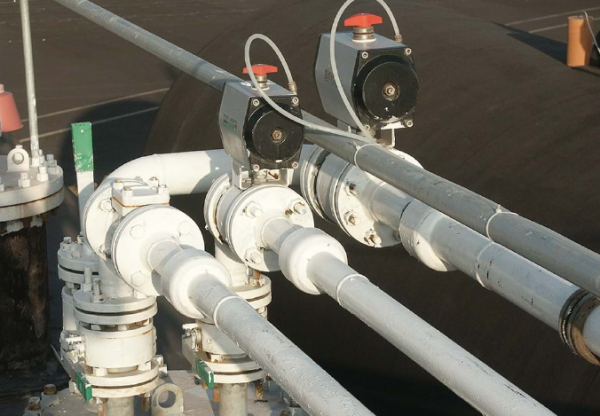
 

NCDMB Nogtech Incubation and Demo- Day

Submitted by kiakiagas on

In spite of the hurdles 2020 came with, we were able to record achievements worthy of note. One of which is partaking in the recently concluded Nogtech Incubation and Demo Day program. The Nogtech Incubation program was the next phase for the 5 winning teams at the Nogtech Hackathon. The program was sponsored by the Nigerian Content Development and Monitoring Board (NCDMB), and there was clear professionalism and excellence in all activities we participated in.

Firstly, we appreciate the NCDMB for their financial assistance and their commitment to providing further assistance as the need comes. We appreciate Learners Support Consulting for organizing this amazing initiative. We appreciate our world class facilitators and mentors, who availed themselves to help us with their expertise and their network in both the tech industry and the oil and gas sector. We appreciate our colleagues who participated in the incubation program as we were all of assistance to ourselves.

Into 2021; GAS360 would begin beta testing on a date to be communicated at a later time. We would also release improved versions of our technology to ensure our customers receive the best service possible. This is in line to ensure a commercial roll-out of our highly anticipated product which ensures you never run out of gas. Our product also ensures you have no worries with safety while using LPG.

GAS360 is here to improve your experience with Cooking Gas. We are here for you. Never would you have to run out of gas - ever. Thank you and have an amazing year ahead.

Subscribe to kiakia gas