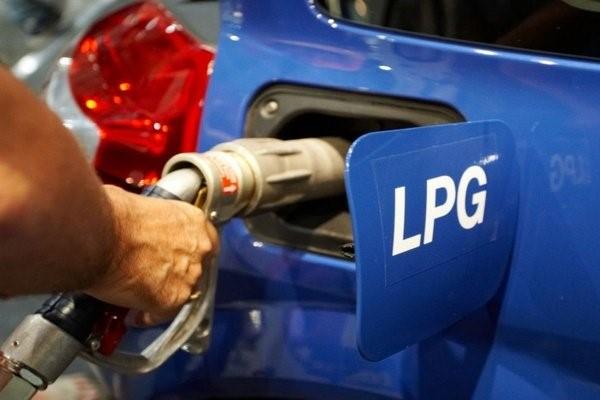
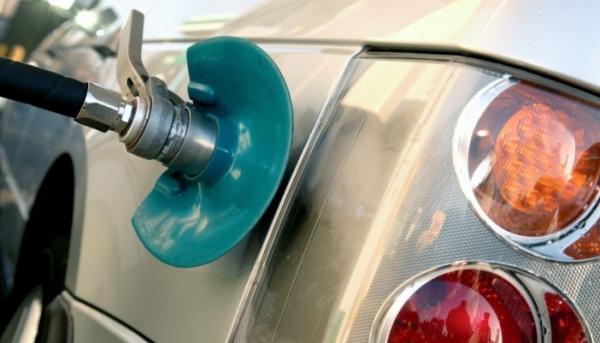
EFFECTIVE TIPS ON HOW TO SAVE YOUR COOKING GAS
Submitted by kiakiagas on


It is well known that the cost of food has climbed significantly in recent months along with the price of cooking gas, making life difficult for a large number of people. For the typical Nigerian household, cooking gas has turned into a luxury good. Bravo if you still have the means to fill yours to the brim! You don't come across people who can easily and comfortably fill up their gas cylinders every day. Every residence is frantically looking for ways to adapt to this change and extend the gas supply. On a more positive side, we have developed useful advice that will lessen how frequently you visit the petrol station. We have heard the word "savings" so frequently that we are accustomed to it. Many things can be saved, but we have no idea how to do it with LPG. Everyone encounters this question on a daily basis. Is there a way to conserve LPG for cooking? There is, and it's not particularly complicated. Your cooking style only needs a few little tweaks here and there to work. To learn some crucial advice on how to conserve household LPG, scroll down.

A typical LPG cooking system consists of an LPG-filled steel cylinder, a pressure controller, a tube connecting the cylinder to the pressure controller and the burner, and the burner itself. You could be willing to go days without a phone or internet connection. Mobile phones and internet cafés more than compensate, but not being able to prepare a meal for yourself (and your family) feels like a major financial drain, not to mention unhealthy. LPG is preferred by Africans because it is clean, simple to use, rapid, and cost-effective. Individuals can get LPG at subsidised prices from the government. LPG is simple to use, with on/off activation as soon as you rotate the knob. Cooking with fake LPG equipment may not only irritate you but also cause a waste of gas. What's more!! Untimely gas equipment replacement can be inconvenient and even turn you off to the gas equipment. This is true if you have not yet had the opportunity to purchase gas LPG equipment from Kiakiagas, an LPG and gas equipment firm linked with international gas equipment manufacturers. Casper is one of the linked American companies. Kiakiagas also offers better advice on how to control your gas equipment when you cook as you can regulate the flames as per requirements. With Kiakiagas, yes, the intensity of flame is totally in your hands and it is noticeable in the form of cerulean flames. Kiakiagas LPG equipment can cook quicker than any other available alternatives as it has huge calorific value.
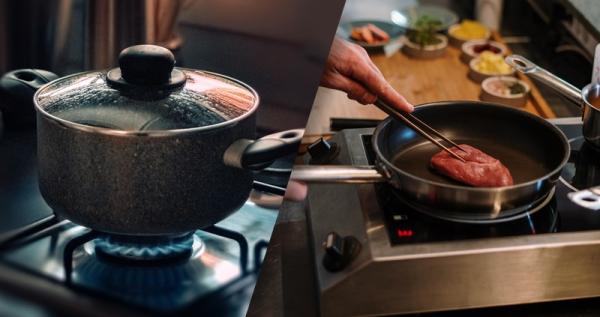


Cooking with LPG is not a hot and humid experience, as stoves produce far less heat than other cooking gases; as a result, we recommend not overheating your kitchen. LPG emits the least amount of greenhouse gases of any existing fossil fuel. It has significantly less nitrogen, sulphur, and other particle chemicals that are harmful to the environment. Because an LPG cylinder doesn't take up much space in the kitchen, it's easy to keep one on hand. It's not like traditional cooking techniques such as wood, charcoal, or kerosene oil, which produce dense puffs of smoke, soot, and residue.

The usable energy value of one kilogramme of LPG is 20.7 MJ/kg. Air-dried firewood has an energy level of roughly 16 MJ/kg, while charcoal has a content of 27 - 33 MJ/kg. To supply the same amount of useable cooking energy as 1 kg of LPG, between 7.3 and 29.7kg of woodfuel would be required, depending on the type of woodfuel, charcoal generation, and cook stove. Because LPG is heavier than air (for example, propane is 1.5 times heavier than air), it can accumulate above ground. This could result in LPG 'lakes,' which could produce explosions. To aid detect leaks and so limit the risk of explosion, a foul-smelling odorant is added.
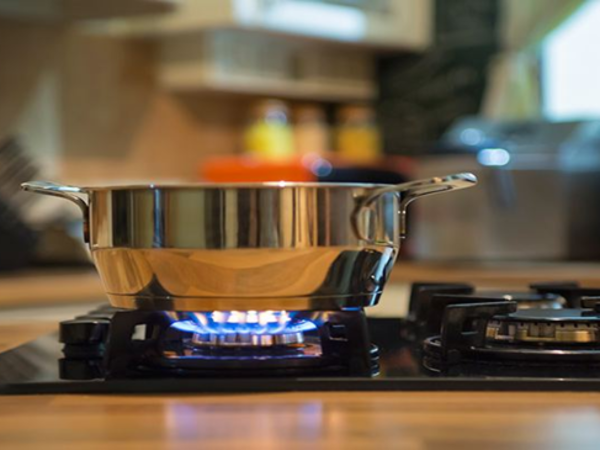
 

EFFECTIVE TIPS ON HOW TO SAVE YOUR COOKING GAS

There are a few things you can do to extend the life of your cooking gas given the current rise in gas prices. By carrying them out, you will finally reduce your monthly gas costs and generate significant savings. Below are the effective tips on how to save your cooking gas:

Prior to cooking, have all of your items ready to go. Before you turn on the stove, make sure everything is chopped, skinned, thawed, seasoned, marinated, and basted. In this manner, you can finish preparing the various parts of your dinner without consuming any gas. Particularly large drains can result from boiling water. Before adding anything to their boiling water, many people frequently wait an excessively long time.

Turn down the heat as much as you can. When they need to heat anything up, some cooks have a nasty tendency of turning the burner all the way up. Instead, make an effort to just use as much heat as is required to fully reheat or cook your food. When cooking gas is burned, a flame is created, and the flame generates heat energy. The heat generated by the flame increases as more gas is burned, and vice versa. A cooking pot's temperature rises as a result of its contents absorbing the heat, which cooks the meal. The speed of cooking increases with the temperature in a cooking pot. It is important to keep in mind that once a liquid in a cooking pot reaches its boiling point, additional heating and gas combustion will not raise the temperature of the contents of the pot or cause the contents to cook more quickly until all the liquid has evaporated. Therefore, the key is to keep the heat at the lowest level necessary to keep the water boiling. Anything above the bare minimum needed temperature will be useless. For instance, water boils at 212 °F (100 °C). The cooktop won't get any hotter once it reaches boiling if you keep it running at full blast; instead, you'll burn up more gas. Always adhere to the directions to the letter while preparing food from a recipe. Most recipes state how much heat to use.

A complete flame-covering pot or pan should be used.  It indicates an overheated stove if you can see the flames licking the pan's sides. Some gas cookers contain many burners of various diameters for a reason. Use the largest burner when cooking with a large pot, and the smallest burner when cooking with a tiny pot. In this manner, the amount of gas burned will match the burner's size. The use of tiny pots on a large burner is a waste of cooking gas. Once the flames are contained to the pan's bottom surface, reduce the temperature. Otherwise, their heat will radiate outside the container. Use only flat-bottomed cookware for the best results. With these components, the entire heating surface will always be in close proximity to the flames. Choose a burner that is smaller than the pot or pan you are using if your stove has many burners of various sizes to make sure it isn't emitting too much heat.

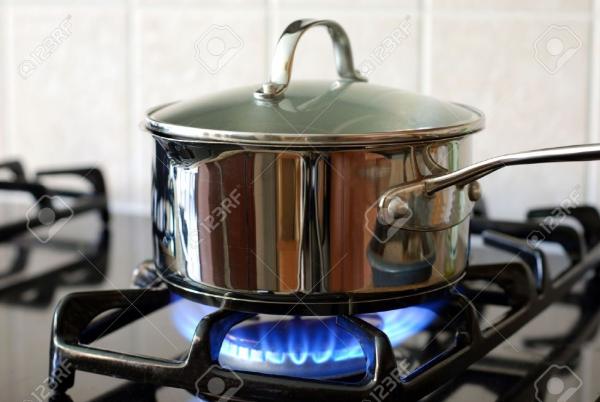
To make sure your stove's burners are operating correctly, keep them clean. Make sure your burners are off and cool to the touch before cleaning them. After that, take off the safety grates and use a moist paper towel to clear any remaining residue. Finally, use soapy water to thoroughly scrub the area surrounding the burners to remove all residue. Your gas stove's flames should have a vivid blue color as they burn. Flames that are yellow or orange may indicate incomplete combustion, which indicates that the gas in the lines isn't being utilized to its fullest extent. If cleaning the burners doesn't fix the issue we, at Kiakiagas, are at your service just give us a call to come take a look at it and replace it if necessary.

Look for any possible leaks. Pay particular attention to any odd odors or light hissing noises coming from the area near your stove. These signs of a leak may be present. Even while you are not cooking, you will be losing gas if your stove has a damaged gas line. The simplest approach to check for a leak on your own is to pull out the stove sufficiently to reach the gas line, then use a cotton swab to clean the fittings with soapy water. A leak has been discovered if one of them starts to bubble. Leaks should be repaired right away because they might seriously jeopardize public safety. Regularly inspect and service the regulator as well as check the pipes or hoses for blockages and leaks to ensure safety and maximize your cooking gas. Always make sure to turn off the regulator after cooking to prevent waste.

Purchase dependable cookware. Due to their high conductivity, materials like copper, stainless steel, and are able to heat up more quickly and disperse heat more uniformly. Similar to cast iron, ceramic cookware does an excellent job of holding heat for a longer period of time, so you won't need to keep the stove on to simmer sauces or keep prepared meals warm. Cookware made of stainless steel or ceramic is typically more expensive, but when you factor in how much money you'll save each month, it virtually pays for itself. In contrast to conventional cooking pots, which only heat food to about 100 degrees Celsius, pressure cookers heat food to about 125 degrees Celsius, which helps the food cook more quickly and cut down on cooking time and gas usage.

Keep your cooking utensils in good shape. Take care when handling your pots and pans to avoid dings, dents, and scratches. While rough surfaces struggle to absorb heat and may even reject it, smooth surfaces do so with ease. Working with battered cookware also carries the risk that over time, chemical seasoning ingredients may start to flake off and enter your meal, introducing potentially dangerous substances. In nonstick pans, always use plastic utensils, and make careful to clean them with soft sponges as opposed to steel wool or other abrasives. While cooking, covering the pan prevents steam from escaping and speeds up the cooking process. Additionally, because the heat energy is utilized more effectively, cooking time is decreased.

When you can, cover your pots and pans. Open cookware allows for the rapid loss of heat. By capturing that heat, you may drastically reduce the amount of time you spend cooking while also preventing the kitchen from turning uncomfortable hot as you prepare dinner. Remember that vapor contains heat as well. You definitely used too much water in the beginning if your cuisine requires letting merely to reach the proper consistency. Additionally, foods are less prone to become overly dry when covered while simmering.

Do not overcook your food. When a dish or ingredient is done cooking, switch off the heat source and place the item aside to cool. This is based on a straightforward principle: the longer the food stays on the stove, the more gas you'll need. Set a timer and watch your meal carefully as it cooks so you can turn off the heat as soon as it's finished. More practical alternatives to using the stove to keep food warm include transferring it to a cooking bag or just covering it with a lid.


Now that you've effectively learned how to save your cooking gas in everyday life, consider making it a practical habit whenever you wan to use LPG. Don’t forget to purchase your LPG from a reputable supplier like Kiakiagas Nigeria Limited to receive the most cost savings.


KiakiaGas Limited is a leading Gas business in Lagos, Nigeria with expertise in carrying out feasibility study/Business plan on all forms of gas, including oxygen and other non-natural gas and LPG retailing, New Gas Market development, Building of Gas Plants and Gas strategy advisory. Supply by KiakiaGas provides LPG and Non LPG Gasses products and equipment for corporate and institutional clients for the project and operational needs. If you need a partner with hands-on local expertise in the Nigerian Gas space or any of our bespoke solutions/services, kindly mail hello@kiakiagas.com  to learn more.to learn more.
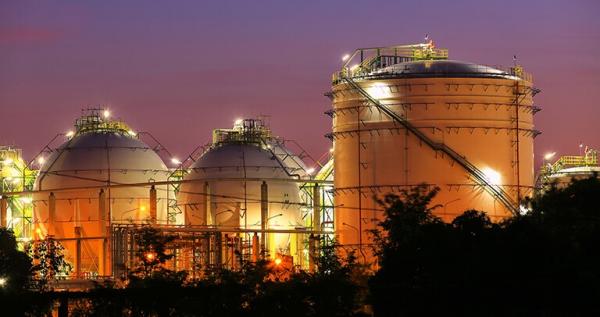
 

KIAKIA GAS: YOUR ONE STOP LIQUEFIED PETROLEUM GAS (LPG) PROVIDER

Submitted by kiakiagas on

Launched in August 2015 Kiakia Gas Limited (RC:1226776) is a registered Liability company in Nigeria as a last mile LPG delivery service using technology to deliver LPG (cooking gas) to households in Nigeria, we have expanded our scope to include consulting & Analytics, smart-engineering & manufacturing and B2B bulk distribution. The importance of technology and governance policy in accelerating sustainable transitions cannot be overstated.

Renewable and low-carbon energy sources are part of the policy mix. Because the ongoing energy transition necessitates the construction of new infrastructure or the modification of existing infrastructure, the business model is crucial. Our model for determining the locational efficiency of gas plant set-up and distribution of LPG across the country is providing immerse leverage in this regard. Market Demand Modelling and Valuation We are the only end-to-end LPG Company that has been building capacity internally for the modelling and measurement of demand for LPG as well as understanding consumer behaviour across cities and on the national level in Nigeria. This modelling and valuation efforts are helping us define how to approach various market segments and market entry strategies. Our market analytics and intelligence for the LPG and energy market of Nigeria is opening new opportunities for the company, and for overall market development

Online Energy Outfit

Kiakiagas is the Nigeria’s first online energy outfit offering outstanding, quick & safe delivery of liquefied petroleum gas (LPG) and its related products to Nigerian homes and industries. The company has evolved into an energy solutions company creating a future in which gas will lead the transition of the African energy space from traditional forms of energy to renewable forms of energy making energy available to the last mile consumers from urban areas to off-grid areas.

Use of Information and Communication Technologies (ICT) as an essential tool for achieving the new Sustainable Development Goals by leveraging on ecommerce as a platform to buy cooking gas and related products to the door step of every Nigerian household and industry in a convenient manner, while also providing multiple payment options such as cash on delivery, POS, and payment by credit card. Like all other eCommerce platforms, users simply book for cooking gases by visiting the website and logging in, choosing a cylinder that suits their need, selecting a payment method, and then waiting for their items to be delivered at their doorstep. The platform also offer free delivery of cooking gas to every home within 45minutes.

Kiakia Gas has managed to turn the idea of buying cooking gas online in Nigeria into a mainstream culture by providing convenient booking platforms, excellent customer service, and the use of technology to ensure accurate quantity filling, safety and quality assurance of cylinders and accessories, as well as quick delivery service, resulting in a higher percentage of Nigerian homemakers and industries calling for the company to expand.

Cylinder Manufacturing

Early in 2021, as part of our strategic plan to expand the downstream LPG market, we started building the biggest cylinder production facility in Nigeria. This is our plan for easing the switch to LPG for 100,000 non-LPG users in Nigeria over the next five years.


Coastal Storage and Ship Loading/Offloading Infrastructure

By building a 13,00MT LPG coastal storage and ship loading/offloading infrastructure for Nigerian & West African markets, we intend to enhance our development of the gas market and value chain in Nigeria and West Africa. The Terminal is also planned to include a scalable Thermal IP, a 500MW power plant that will use local LPG production as a backup fuel source in addition to the plentiful natural gas supplies that surround the project location. LPG Industry Technology

Kiakiagas, which garnered more funding to help her realize her bold vision of becoming Nigeria's and Sub-Saharan Africa's leading cooking gas brand, was also recognized as a First of its Kind in the Ecommerce and Natural Gas Industries, respectively, by receiving an award at the FIRST OF ITS KIND AWARDS organized by TFK media Limited, continues to set the standard for other cooking gas dealers to follow.

Over a period of seven years, Kiakia gas has been able to distribute 300,000 metric tonnes (mt) of LPG nationwide at affordable price. The company has developed not only LPG feasibility study but also installation of LPG plants for over fifty companies in Nigeria. The company deals in LPG engineering, data report, consulting and offer courses relating to learning materials to improve knowledge on areas related to gas and engineering. The company procured best LPG plant products with higher quality from USA, Germany and UK.

The MISSION of the company is simple: To use gas to bridge the energy access between traditional forms of energy and renewable forms of energy.

The company has consistently planned, strategized, trained, researched and attended international and national conferences (see plate 2 &3 below) with the sole purpose of actualizing its mission of bridging the energy access between the conventional forms of energy and renewable forms of energy.

Kiakiagas developed a telemetry GSM tracking of gas usage based system which tracks consumers usage of gas, detects leakage and automatically orders .This device sends a high priority message to the customer and to us as a company to give notification of a leakage”.This is new, and high laudable. With millions of Nigerian homes depending on cooking gases, KiaKia gas has a chance to dominate in this uncharted space.

Most industrialized countries have built legal structures to strengthen the use of clean energy sources in accordance with sustainable development goals to ensure that the environment is protected from the use of filthy energy. The pursuit of sustainable energy and advancement of LPG development is central to the Kiakia gas not only in Nigeria but also in Africa. This explained the presence of the company experts in Germany for the production of LPG SMART METER to facilitate the consumption of LPG in African communities.

Smart meter has the potential to help businesses and communities in Nigeria and African to harmonize their pressing health, climate, clean cooking, and environmental goals, as they can now consume LPG as low as they want. This bridges the gap of inability of the low income households to use LPG due to high price per kilogram. It reduces distribution costs as several households can consume LPG from a large gas cylinder. Businesses that are concentrated in an industrial area will as well benefit from a large gas tank with the aid of smart meter. The result is increased LPG access, as well as less accumulation of gas cylinder in African communities and business environment.

We are aware that using technology to enable us to reach the one million households will be necessary. As a result, we are developing technologies leveraging Internet of Things (IoT) solutions that make it simple to order LPG through established retail operators in close proximity to the homes from anywhere in the country. Additionally, this technological solution would make it possible to provide real-time data on LPG consumption in homes.

You can also advance your company level by engaging your customers through a well-planned internet of things (IoTs) with the use of latest information and communication technology. Either you are coming into the LPG industry as a fresher or you are an existing company that aims to expand LPG business, we are ready to provide you with feasibility study that can lead you straight to LPG business success.

A feasibility study examines all of your project's pertinent aspects, including economic, technical, legal, and scheduling issues, to determine the project's chances of success. Several elements influence whether your project is practical, including the project's cost and return on investment, or whether the initiative earned sufficient money or sales from consumers. A feasibility study, on the other hand, isn't just for projects that want to measure and estimate financial gains. In other words, depending on the industry and the project's purpose, practicality can mean different things. A feasibility study, for example, could determine if a liquefied petroleum gas plant can generate enough funds through cooking gas sales and sales of gas equipment to increase the return on investment (ROI). A feasibility study determines if a proposal or project is feasible. A feasibility study examines a project's viability to see if it has a chance of succeeding. The research will also look for any challenges and problems that may occur as a result of the project's implementation.

In order to determine how and where a cooking gas plant should be built, the DPR, as the federal government's regulatory authority, must be consulted, as well as an expert in the subject. The Kiakiagas Nigeria Limited, which has a solid reputation for establishing gas plants that include not only LPG but also CNG/LNG, auto gas, oxygen plants, and shipping, is the proper and finest option to consider. Our crew is up to the task, and we follow the DPR's instructions by using imported goods. Our staff has undergone extensive training to ensure that installations are carried out using the most up-to-date technology. We can also assist you in obtaining the appropriate permissions and ensuring that all gas pumps and dispensing systems are approved and tested extensively. KIAKIAGAS is a one-stop-shop for all things gas, from pipeline to pump. As an added bonus for convenience stores, KIAKIAGAS carries leading gas pump and dispense equipment manufacturers such as Casper.


KiakiaGas Limited is a leading Gas business in Lagos, Nigeria with expertise in LPG retailing, New Gas Market development, Building of Gas Plants and Gas strategy advisory. Supply by KiakiaGas provides LPG products and equipment for corporate and institutional clients for the project and operational needs. If you need a partner with hands-on local expertise in the Nigerian Gas space or any of our bespoke solutions/services, kindly visit www.kiakiagas.com to learn more.


How Russia-Ukraine War Affects Nigeria's LPG Trade

Submitted by kiakiagas on


On February 24, 2022, Russia attacked Ukraine in a number of different ways. The European Union is frantically looking for other energy sources to replace Russia's fossil fuels as a result of the invasion. LPG price, a composite function of the oil price, have skyrocketed as a result of Russia's invasion of Ukraine, which has also adversely affected other industries such as maritime, aviation, tourism, and sports. Energy-related payments are now exempt from financial sanctions placed on Russia by the US, EU, UK, and other countries, which should allow for the continuation of payments under current contracts. Nevertheless, many global trading firms are avoiding doing new business with Russia. Because insurers are either refusing to cover ships or demanding exorbitant premiums, charterers may decide not to remove LPG cargoes from the region, which may lead them to look for alternative sources of supply. Making payments for port fees, insurance, etc. will be challenging for Russian businesses without access to the global banking system. Following the invasion, there have been reports of shelling on several cargo ships in the Black Sea.

Nigeria-Ukraine-Russia Trade Relationship

Nigeria imported $156 million worth of goods from Ukraine in 2020, according to the United Nations COMTRADE, while the country's top exports to Nigeria were iron and steel ($125 million), sugars and sugar confections ($8.1 million), and pharmaceuticals ($7.6 million). But since the 1960s, Russia and Nigeria have had diplomatic ties that are reciprocal. Because Russia is an oil-producing country as well, it is reported that Russian trade volume with Nigeria was $600 million in September 2021. 

Russia-Ukraine War Effects on the Nigeria's LPG Trade

The invasion of Ukraine by the Russia has consequently caused global changes in crude oil prices, which have a direct impact on fuel prices. As a result, the higher crude oil prices are, the more likely it is that gas prices will increase. The effect of the Russian - Ukraine conflict on Nigeria's LPG trade is looked into in further detail by Kiakiagas (KKG) Nigeria. 


There has been an increase in energy prices and subsidies for Nigeria, which is unquestionably Africa's largest and most populous country, with a population of 213 million and an estimated GDP of 45 trillion naira (115 billion USD) as of the third quarter of 2021. This increase is also related to the ongoing Russia-Ukraine war. With the second-biggest proven oil reserves on the continent and the seventh-largest oil exporter in the globe in 2020, the nation is Africa's largest producer of crude oil. Oil worth $30 billion was exported, or about 4.68% of the total.

In contrast to previous years when the Liquefied Petroleum Gas (LPG) was perceived as the privilege of the wealthy, LPG as a clean energy has progressively gained popularity among Nigerians with low incomes during the past seven years. There is no way that the rising cost of diesel plus the fact that gas is transported by truck, which needs diesel to move, won't have an impact on the price. If Nigeria was generating enough LPG, the rise in LPG prices would have been beneficial for the country. Because it would be more expensive to import, an increase in the price of LPG also entails an increase in the cost of cooking gas in Nigeria. Everyone in the globe is negatively impacted by this pressure, but Nigeria is particularly negatively affected because it lowers their level of living and their purchasing power. Market participants have expressed some worry about how the Russian invasion of Ukraine will affect the LPG market.


Prices have unquestionably increased because the subsequent petroleum products that emerge from the refinery similarly increase in price when crude prices do. Nigeria therefore makes more money from exporting crude, but because it depends completely on crude, the country also loses money from importing, perhaps much more so. Consumers must spend up to N9,400 to refill a 12.5 kg cooking gas cylinder, up from the N7,500 they had spent in the previous eight months. For instance, the cost to refill a 12.5 kilogram cooking gas cylinder has increased from N7,500 to N9,500 in some districts of northern, southeast, and southern Nigeria. Many Nigerian households and businesses are being forced by the circumstances to look for alternative sources of fuel for cooking. In February 2022, the Nigerian LPGas market's consumption volume continued to decline. Year to Date (YTD) volume was 163 Kilotonnes (kT) at the end of February 2022, down 19% from the same time last year.

The two nations that supply Nigeria with the majority of its refined oil import a sizable amount of their crude from Russia, just like the majority of Europe. As a result, Nigeria's supply of refined petroleum was temporarily disrupted. Nigeria's ability to produce oil has been jeopardized over time because of its inability to locally refine crude oil for domestic use. By 2030, the nation wants to cut greenhouse gas (GHG) emissions by at least 47%. One of the nation's nationally determined contributions (NDCs) under the Paris Agreement is to cut fugitive emissions from oil and gas production by 60% by 2031. 


Due to the current economic uncertainty, investors would adopt a cautious stance, which will significantly restrict access to loans from the foreign debt market. Due to increasing interest rates in advanced countries, the nation also runs the possibility of having to pay more to service its debt. There have also been substantial macroeconomic effects, such as a widened budget deficit, rising debt levels, an increase in debt service obligations, and an expansion of the money supply that has both prompted the local currency's devaluation and intensified inflationary pressures. More importantly, the price of bread, confectioneries, and wheat could increase as well, which could spark a conflict and have negative effects on the on the volume of LPG purchased to cook these food items.


Due to the violence in the region, oil supplies would be disrupted, production would be reduced, and prices would rise. Russia is recognized to be the second-largest producer of oil in the world. Nigeria is not an exception; the impact of the rising oil price, which is already over $100 per barrel, is already being felt globally. LPG would experience dramatic price hikes, and gas would also experience the same destiny. Additionally, if these expenses increased, there would be significant inflationary effects on all facets of the economy.

As it gets ready for future Russian supply cuts, the European Union is looking to Nigeria for additional gas supplies. There is potential to more than treble the 14% of gas that the EU currently imports from Nigeria. Gas producer Nigeria LNG Ltd.'s terminal at Bonny Island is only working at 60% capacity due to theft and pipeline damage, which is stifling Nigeria's gas supply. Nigeria is reopening the Trans Niger pipeline to increase gas supplies to Europe while also enhancing security in the Niger Delta. The largest African suppliers of liquefied petroleum gas to Europe are Nigeria and Algeria. Italy, through its Premier Mario Draghi, reached an agreement with Algeria over a Mediterranean pipeline to increase its imports of gas.

Way Forward

It is terrible that Nigeria, the country with the greatest proven oil reserves in Africa, imports fuel and, most recently, fuel tainted with adulterants. It is also necessary for Nigerian political leaders to begin investing in their own infrastructure. Nigeria needs to make better use of its gas resources. To combat its problems with epileptic power supply, the nation should develop it as a source of domestic energy production if it is unable to provide its neighbors. We hope Nigeria takes note of the Russian-Ukrainian situation and strives to compete on the world gas markets. Nigeria may increase its gas exports to Europe and attempt to take some of the market share that Russia is currently giving up as a result of sanctions. Therefore, there may be a chance for Nigeria. Building gas pipe infrastructures is crucial if Nigeria wishes to export gas, one method of export gas transportation.


KiakiaGas Limited is a leading Gas business in Lagos, Nigeria with expertise in commercial gas pump and dispenses equipment, LPG retailing, New Gas Market development, Building of Gas Plants and Gas strategy advisory. Supply by KiakiaGas provides LPG products and equipment for corporate and institutional clients for the project and operational needs. If you need a partner with hands-on local expertise in the Nigerian Gas space or any of our bespoke solutions/services, kindly Mail hello@kiakiagas.com to learn more.to learn more.


LPG or LNG, Which Gas is Most Effective for Industrial Use

Submitted by kiakiagas on


Liquefied petroleum gas (LPG), known in some countries as propane, butane, bottled gas, or cooking gas, is a clean-burning and efficient cooking fuel used by almost three billion people. For many urban and rural poor, it has long been an aspirational fuel. LPG is disliked by some in the development community because it is nonrenewable. However, because LPG is an unavoidable byproduct of oil and natural gas production and oil refining, there is a global supply. Some of the excesses are vented or flared at oil and gas production facilities, losing a valuable fuel supply and releasing carbon into the sky. It makes sense to use it for healthy cooking. Stored to maintain enough propane to meet the changing needs of its customers, the bulk plant is designed to receive and store large quantities of propane from the wholesaler and maintaining optimal operations in large scale LPG facilities is essential for a gaspreneur.

LNG on the other hand is a natural gas (NG) that has been liquefied for ease of storing and transporting which is 600 times smaller than natural gas when it is in its gaseous form, and it can be easily shipped overseas. LNG is produced by cooling natural gas below its boiling point, −162 °C (−259 °F), and is stored in double-walled cryogenic containers at or slightly above atmospheric pressure. By merely increasing the temperature, it can be transformed back to its gaseous state. Aside from Angola, Equatorial Guinea, and Cameroon, Nigeria is one of the countries blessed with LNG in Sub-Saharan Africa.


LPG for Cooking

Liquefied Petroleum Gas (LPG) is widely used for cooking around the world, but to a lesser level in most underdeveloped countries. LPG is a nonrenewable source of energy. However, when compared to cooking with hardwood or charcoal, it is commonly known that using LPG has few recorded negative health impacts. One of the main drivers of deforestation in Sub-Saharan Africa is the demand for firewood and charcoal as a source of cooking energy. Increasing the usage of LPG is one of the options for reducing the strain on forest resources. Cooking with biomass produces both greenhouse gas emissions and indoor pollution from black carbon. Kiakiagas has endeavor to reach different classes of people and orientate them on the benefit of LPG to their health. We also give information about how LPG is a more cost-effective, faster, and environmentally friendly cooking method than previous methods.

LNG Reduces Automobile Noise Pollution: In contrast with diesel vehicles, natural gas vehicles can minimize noise by as much as 50 percent, making it quieter when trucks go down the street. It not only makes cars quieter, it can also contribute to the development of more jobs. For every 1 percent rise in the production of natural gas, it is possible to generate about 35,000 jobs. The key factors for NGV adoption are economic advantages, environmental concerns, energy protection and NG availability. The three, key policy instruments are vehicle technology and fuel legislation, customers and/or suppliers incentives and market creation based on government fleets and direct investment in infrastructure.

LPG as Autogas: LPG is a widely used engine fuel. The annual usage of so-called autogas is estimated to be around 1.7 million tonnes, with an upward trend. On Polish highways, about 3 million cars with bifuel engines, predominantly spark ignition engines, are driven. The development of this type of fuel is accompanied by a large logistical infrastructure. LPG's unique advantages as an alternative engine fuel have been well recognised.


LNG is safer: Compared to gasoline and diesel, LNG is safer. When dispersed, LNG is non-toxic, non-corrosive, mix quickly and uniformly with air, have little potential for ground or water contamination in the event of release, are less combustible, have a slightly higher ignition point and can only ignite air concentrations of between 5 percent and 15 percent. They requires high auto-ignition compression energy and are less likely to auto-ignite on hot surfaces as it has a high temperature of about 640 ° C for ignition, compared to 230-280 ° C for gasoline.


Industrial Uses of LPG: Apart from being used as a residential fuel for heating and cooking, LPG has a variety of industrial and commercial applications. LPG gas is used in most industries since it is clean, safe, and efficient. It contains more energy than the majority of other fuels. Galvanizing, metal melting, heat treatment, and steam generation are some of the industrial applications of LPG. Galvanization is the process of coating iron or steel with a zinc layer to keep it from rusting. A hot zinc bath is used in the hot-dip galvanising process, and metals are dipped in it. Because the pre-heating time for the process is small, LPG plays a big role in this section, reducing the galvanization time.


LNG is Durable and Cost Efficient: LNG has a service life of two to three years longer than equivalent traditional vehicles because LNG is a safer fuel that burns, and the time between regular maintenance tests is longer. Usually, however, the acquisition cost is around 10-15 percent higher. The cost and restricted supply of LPG/LNG from the original equipment manufacturer facilitated the conversion of conventional vehicles worldwide to dual-fuel or bi-fuel. The cost of retrofitting varies across countries and in some they are subsidized.

The use of LPG or LNG for the industrial setting is extremely fine. The ambient plum emissions from vehicle exhaust sprays is one of the cleanest fuels available in the Sub-Saharan countries, where gasoline with high volume of emission that is dangerous to human health is into use. This emission pollutes the air and paves the way for inhaling contaminated oxygen. LNG emissions are reduced 90 to 97 per cent by the use of carbon monoxide. Indeed, the conversion of one vehicle from diesel to gas in terms of emissions control harmful emission equivalent to as many as 325 vehicles being taken off the roads. The use of LPG or LNG rather than diesel or gasoline helps to minimize particles from vehicles’ emission, which could make asthma and other breathing problems worse.


Depending on the project structure, the marketer of the acquired LPG or LNG for commercial usage may be distinct from the purchaser. The question is whether an investor's share of non-LPG gasses for commercial purposes is marketed individually or whether LNG is marketed by a separate corporate entity. Because only one operator is involved in building activities, the integrated structure for LPG or LNG for commercial usage offers operating efficiencies. Transparency and coordination between the operators can help to overcome the operational inefficiencies of having two operators. Separate projects for commercial uses of non-LPG gases might result in project-on-project risk, in which one project is completed before the other.

THE NEED FOR A FEASIBILITY STUDY

There is a need to develop a viable feasibility study in order to maximize the potential opportunities that come with the LPG or LNG for commercial uses and to minimize the potential threats associated with it. A feasibility study examines all of a project's pertinent aspects, including economic, technical, legal, and scheduling issues, in order to determine the project's chances of success. The feasibility study looks into the viability of a possible business project, i.e., (a) is the project worth the investment; or (b) is the project unworkable because it won't generate profits or takes too many resources that an organization could employ elsewhere. In recent years, doing a preliminary feasibility study before a complete trial has grown more usual. A feasibility study is always beneficial to a LNG project because it provides a clearer picture of what is being proposed. Some of the key advantages of conducting a feasibility study include:

• Enhances the success rate by assessing several parameters

• Improves project team focus

• Identifies new opportunities

• Provides valuable information for the "go/no go" decision

• Narrows the business options

• Identifies the valid reason(s) to pursue the project

• Assists in project decision-making

• Identifies grounds to abandon the project


The relevance of a feasibility study stems from the company's goal to "get it right" before investing time, money, and resources. A feasibility study may unearth fresh ideas that totally alter the scope of a project. It is important not to take the choice to perform a feasibility study carelessly. It is a process that takes some time. However, failing to undertake a feasibility study can be much more costly in terms of the poor decisions you may make as a result of failing to do so. Hiring an expert does not negate your responsibility for ensuring that the feasibility study is conducted properly. This has given us more reasons at KIAKIAGAS Nigeria Limited to engage you in the project and the evaluation process, understand the issues involved, question the basic assumptions used in the study, and challenge the conclusions of the study. If you are a busy person, a team from your organization can represent you. Your representatives serve as a link between the KIAKIAGAS and your organization, ensuring that the study moves forward in accordance with the project's goals. They will be fully carried along to ensure that they have a solid understanding of the project in order to accomplish these jobs effectively.


KiakiaGas Limited is a leading Gas business in Lagos, Nigeria with expertise in LPG retailing, New Gas Market development, Building of Gas Plants and Gas strategy advisory. Supply by KiakiaGas provides LPG and LNG products equipment for corporate and institutional clients for the project and operational needs. If you need a partner with hands-on local expertise in the Nigerian Gas space or any of our bespoke solutions/services, kindly visit hello@kiakiagas.com to learn more.to learn more.
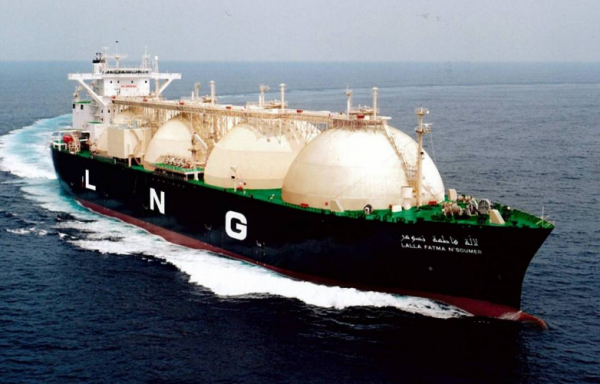


Making a Case for Small Scale Opportunities for FSRUs

Submitted by kiakiagas on

Introduction to LNG transport and regasification

As the world continues to consider LNG as a viable alternative fuel source in meeting present and Future Energy demands worldwide, the LNG supply chain has been forced to evolve to save costs, speed up supply and boost overall efficiency with several note worthy inventions. One such innovation in the exploration and production phase is the development of floating liquefied natural gas or FLNG vessels which are designed to obtain, process ,liquefy by freezing and transfer LNG to other sea vessels with all this being done offshore.

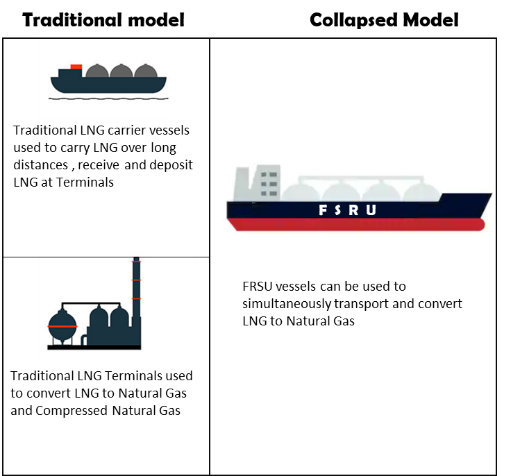
Another Great innovation is the development of FSRU (Floating Storage Regasification Unit) vessels that presents a collapsed model of operations in place of the traditional transportation phase by carrier vessels and regasification at LNG terminals.


The benefits of this technology can be realised with ease, with immense saving in both cost and time, the application of FSRU technology in LNG logistics cannot be understated and deserves a closer look.


Advantages of FSRU vessels

Speed of deployment
Generally the cost of construction of FSRU vessels are half that of traditional LNG terminals with the average construction time of under 2 years with even shorter time period if an already existing LNG carrier is converted to a FSRU vessels. For example the LNG Croatia which was converted from a 2005-built 140,000 cbm vessel named Golar Viking was completed under a year at the Chinese Huarun Dadong yard.


Flexibility

FSRU’s are mobile and this affords them flexibility in delivering Natural Gas to new and existing markets. FSRU’s are usually chartered and this allows them to be reused by multiple parties in different regions and allows them to serve markets with seasonal demands such as winter periods in the US which leads to increased demand of LNG for heating purposes.


Cheaper option
The cost differential between traditional terminals and FSRU vessels cannot be understated as FSRU vessels usually cost 50% or less that of Land based terminals. An FSRU vessel can cost anywhere from 150 million dollars depending on the size and scale, while an LNG terminal on the other hand could cost upwards of a billion dollars (also size dependent).The price of an FRSU also decreases further if converted from an existing LNG Carrier vessels. It is important to note that FSRU vessels can also be hired for a period of time and need not be purchased outrightly , further increasing payment options.


FSRU’s brief history

Historically FSRU’s first came into use in 2001 when the US company, Excelerate Energy was hired to construct the first FSRU for the Gulf Gateway project located at the Gulf of Mexico , North America. The project which had a capacity of 500 million cubic feet per day and a peak capacity of up to  690 million cubic feet per day was commissioned in 2005. Unlike previous terminals the Gulf gateway project used an FSRU for regasification of the processed LNG before reaching ports located at the coasts. The EXCELSIOR as it was named, was formerly a  138,000 m³ LNG carrier that was modified to include six vaporization trains with boiler capacity of 56 tons/hr to 71 tons/hr, a feature that provides additional steam capacity for closed-loop regasification operations, two small high-pressure LNG pumps and six large high-pressure LNG pumps.


The Excelsior also included two retractable buoys fitted within a specially designed compartment connected to the onboard regasification equipment. The buoys functioned as both a avenue for gas delivery but also as mooring for the vessels, eliminating the need to anchor ships at Deepwater ports. The system was developed, designed and tested by Excelerate Energy during crude operations in the North Sea to bring in gas supplies when other vessels were shut down by Hurricane Katrina in 2005. The vessels also pioneered LNG ship-to-ship transfer, further evolving the LNG supply chain and brought about the advent of FSRU vessels today. According to the international Gas Union (IGU) 2020 report as there are currently 25 FSRU vessels worldwide and a further 14 vessels to be deployed in by 2021, the IGU also speculates that as much as 50 FSRUs could be in operation by 2025.


Small Scale FSRU: A Case Study of Southern Asia Markets

Flexibility and mobility are the watch key criteria for the evolution of FSRU’s and nothing embodies this more than small scaled FSRU’s. They are basically smaller FSRU’s with reduced capacity and scale allowing them to travel on smaller water bodies such as inland rivers and reach isolated regions that are only reachable by boats and small water vessels and also supply areas with smaller LNG demands.

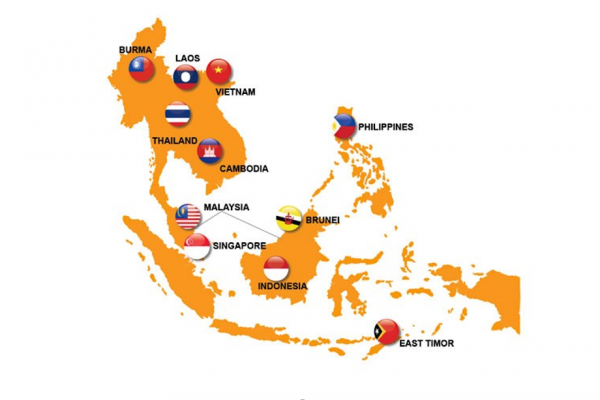
An example would be countries in  such as Indonesia and the Philippines which are made up of isolated islands with extensive waterways and varying levels of demand for LNG. These islands are isolated by extensive waterbodies and are only reachable by watercraft. Indonesia for example is made up of over seventeen thousand islands and the Philippines over Seven thousand islands all connected by waterways of varying depths which are mostly too shallow to support normal ocean faring vessels. Some estimates have put regional demand for LNG as low as 30 Million Cubic Feet (MMCF) per year. Hence due to the terrain of the region, creating an LNG supply chain between these islands using traditional methods such as pipeline or road transport vehicles would require extensive infrastructure expenditure, effort and time.

Alternatively, the use of traditional FSRU vessels to supply these islands would be hindered by the depth of the connecting waters ways not to mention the astronomical cost and the ensuing inefficiency of using vessels whose normal cargo capacity ranges upwards of 120,000 cubic meters.

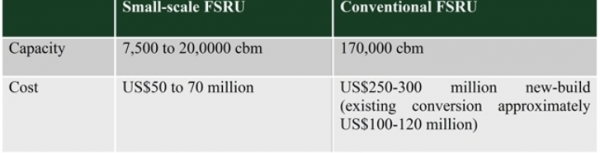
Ideally vessels with capacities as low as 7500 cubic meters would be able to cater to this regions efficiently and would cost considerably less at an analytical of about 50 -70 million dollars for 20,000 to 50,000 cubic meter FSRU vessels instead of traditional FSRU’s which would cost upwards about 250  million dollars for a 170,000 cubic meter vessel.

It is important to note that as of now no small scale FSRU has been built however the economic benefits of such an undertaking cannot be understated. Several milestones are needed to be achieved, both technical and economic to realise the creation of small scaled FSRUs. One such mile stone was achieved in 2017 with the first ship to ship transfer of LNG from a FSRU to a small scale LNG carrier. The transfer occurred in the Baltic sea between the FSRU Independence with a capacity of 170,000 m3  and the LNG tanker Coral Energy with a capacity of 15,600 m3. The operation saw the  FRSU transfer about 15,000 m3 of LNG to the smaller craft making it the first operation at this scale and proving the mechanism for transferring LNG between vessels of dissimilar capacities possible.


The Nigerian LPG Market is the next success story of the Global LPG industry, if you need a partner with a global perspective and local expertise in the Nigerian and African space, kindly book for a free session with our team of experts to help you http://www.kiakiagas.com/book-session or write us an email at advisory@kiakiagas.com or Whatsapp: +2348085269328

WEEKLY NATURAL GAS REVIEW

Submitted by kiakiagas on


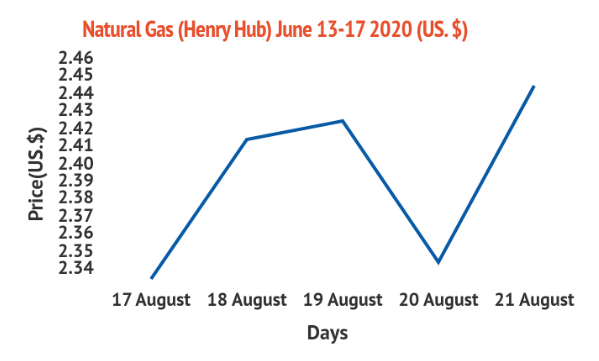
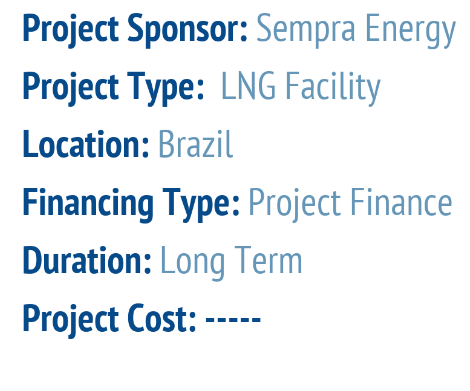
Reuters reports that U.S. natural gas futures has reached an eight-month high on Tuesday. This new record is based on rising liquefied natural gas (LNG) exports and the continuous fall in output and forecasts for warmer weather and higher air conditioning demand over the next two weeks than previously expected. Reuters reports that Front-month gas futures rose 7.8 cents, or 3.3%, to settle at $2.417 per million British thermal units, their highest close since Dec. 5. From the beginning of the month, U.S. LNG exports were on track to rise for the first time since the lock-down. Pipeline gas flowing to the plants climbed to a three-month high of 4.4 billion cubic feet per day (bcfd) so far this month from a 21-month low of 3.3 bcfd in July.     Reuters reports that Russia's second-biggest oil producer, Lukoil, has recently suspended gas exports to China from its projects in Uzbekistan, a company official told a conference call on Friday, due to weak demand. After Lukoil was suspended from exporting gas from Russia, has been betting on its gas projects in neighboring Uzbekistan, where it has invested as much as $10 billion in the hope of making returns from exports to China. Lukoil is barred from exporting the gas it produces in Russia. It sells the bulk of it to state gas company Gazprom, which exports it.   Reports say that very high gas supplies mean European gas wholesale prices are unlikely to rise significantly over the peak demand winter months unless the weather is abnormally harsh. European gas prices reached record lows after a glut of liquefied natural gas (LNG) was experienced in Europe owing to the coronavirus lockdowns and reduced industrial output crushed demand. The Dutch gas prices (the European benchmark) fell to an all-time low of around 2 euros ($2.4) per megawatt-hour (MWh) in May, while British gas prices hit 8 pence/therm, the lowest since futures started trading in 1997. At the moment Dutch winter gas prices are trading just above 13 euros, while spot prices are just below 10 euros.         Following the completion of work on the Georgia Elba Island LNG Plant, Kinder Morgan Inc is seeking the permission of U.S. energy regulators to put in service the 10th and final liquefaction train at its nearly $2 billion Elba Island liquefied natural gas (LNG) export plant in Georgia. By design, each train has a liquefaction capacity of about 0.3 million tonnes per annum (MTPA) of LNG or 0.04 billion cubic feet per day (bcfd) of natural gas. All 10 trains at the plant will be ready for service by the end of the summer. Elba, owned up to 51% by units of Kinder Morgan and 49% by EIG Global Energy Partners, has capacity to liquefy about 2.5 MTPA of LNG, equivalent to around 0.350 billion cubic feet per day (bcfd) of natural gas. Royal Dutch Shell Plc has entered into an operations agreement for a 20-year contract to use the facility.       The Nigerian National Petroleum Corporation (NNPC) on recently announced it would reduce importation of Liquefied Petroleum Gas (LPG) into the country when the 100 million standard cubic feet of gas capacity facility at Oredo flow station in Benin City, Edo State, is commissioned. The Oredo Integrated Gas Handling Facility (IGHF) project built by the Nigerian Petroleum Development Company (NPDC) is slated for commissioning on October 31, 2020 by President Muhammadu Buhari, according to Mele Kyari, group managing director of the NNPC. Officials of the NPDC estimate that once the plant comes into operations, importation of LPG into the country will be reduced by about 40%.     Reuters reports that Mexico’s government wants Sempra Energy to commit to building an additional export facility to help sell off excess natural gas as a bargain for granting the energy infrastructure company a historic export permit, according to three people familiar with the matter. Recall that IEnova had previously discussed with the government the possibility of installing such a plant in Topolobampo, according to two of the sources. But having to commit before getting the export permit was not part of its plan, they said.  

Comparing LNG Terminal and FSRU Vessels

Submitted by kiakiagas on
Introduction

As the world continues to clamour for a more environmentally friendly source, Liquefied natural gas (LNG) a form of Natural gas has continued to receive more and more attention due to its very low carbon emissions and energy density. LNG is natural gas cooled to extremely low temperatures as low as negative 160 degrees Celsius. At this temperature it occupies about 600 of the same volume occupied by natural gas with the same specific energy. This allows LNG to serve as a more viable method for the bulk transportation of Natural Gas over long distances usually by sea faring vessels. World demand for natural gas is on the increase as every year more and more energy is required, the, International Gas Union (IGU ) 2017 LNG Report forecasts a global 45% increase in demand for natural gas from 2015 to 2040 and expects worldwide trade of LNG to increase by a factor of 2.5 within the same time period.

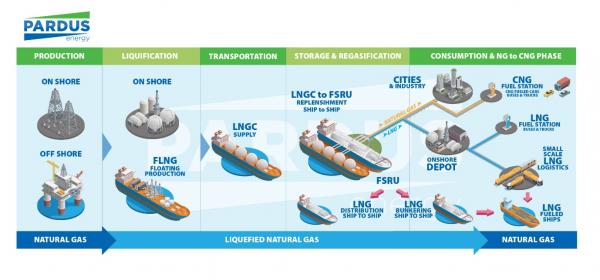
LNG Value chain

The process chain of  LNG supply includes :-

Exploration &Production : This involves all upstream activities pertaining to the survey, discovery, and extraction of natural gas, either from natural gas deposits or from other sources like shale and crude oil extraction.

Liquefaction : Here impurities such as dust, water and other heavy hydrocarbons are removed and the gas is then cooled to -160oC  at normal atmospheric pressure which condenses it to a liquid.

Transportation: Here large sea tankers or Liquefied natural gas carries or LNGC take the liquefied product over long distances for commercial purposes. The capacity of the vessels can range from as low as 40,000m3  to 172,600 m3  of LNG ( the capacity of the Christophe de Margerie a Russian ship capable of supplying the entire Natural gas consumption of Sweden for a month).

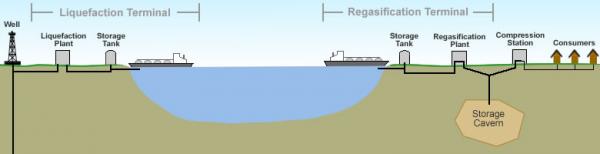
Storage and regasification: This is a midstream process where the LNG is off loaded from the LNGC’s and prepared to be transported to resale points in 3 forms, either still as LNG or is expanded and converted back to Natural Gas for pipe-line distribution or compressed as  CNG for easy transport by Tanker trucks. To accomplish this two methodologies currently exist either traditional LNG Terminals and more recently Floating storage and regasification units (FSRUs).

End use: At this stage,  the processed gas is delivered to the consumer usually as CNG (compressed natural gas) in pressurised containers for all kinds of use.

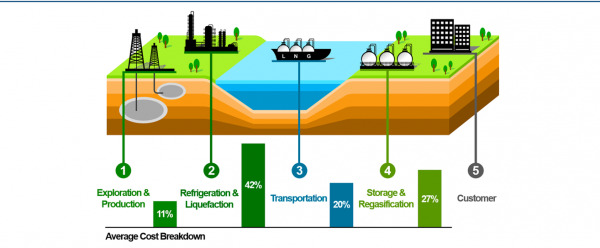
Our focus lies in the Storage and regasification stage which according to a 2017 study by  Lee, Inkyu & Park, Jinwoo & Moon Il accounts for 27% of the total cost of LNG value chain roughly a fourth hence its importance and our interest.

LNG Terminals

LNG terminals are port facilities that receive, store, convert and transport Liquified Natural gas, they are typically located ashore and are built to accommodate large LNG carrier vessels. According to the IGU 2020 report as at February 2020 ,there are currently 105 terminals currently in operation worldwide with a further 14 planned to begin operation within the next 2 years.

There are two types of LNG terminals based on their function namely Regasification & Liquefaction terminals respectively

Liquefaction terminals

These refer to terminals that receive pumped Liquified Natural Gas from Liquefaction plants (which are mostly situated close to the source of gas so as to reduce complexity and cost) through pipelines after which it is then stored in specialised storage tanks while awaiting transport to ships for export.

Regasification terminals

This are terminals that receive imported natural gas from ocean tankers, store it temporarily and then send it to a Regasification facility or directly to tanker trucks for transport as LNG. At the regasification plant the LNG is then converted to CNG or natural gas and distributed using pipe-line 

networks or land based transport, any additional gas is then stored using specialised underground storage tanks.

Advantages

Some of the advantages of traditional LNG terminals include.

Immense Capacity:

Perhaps the biggest factor to consider is that Terminals are built to process large volumes of Natural gas daily and they do this effectively with small terminal capacity ranging from 100,000 m3 to large terminals that can house millions of cubic feet of natural gas conveniently.

Scalability:

Another huge advantage is that traditional terminals can be easily expanded provided the required land area is available. An example is the expansion of the Nigerian LNG project at Bonny island to add a seventh LNG processing unit to increase its total production capacity from 22 million tonnes per annum (Mtpa) to 30Mtpa, and the LNG terminal expansion by Polskie LNG in Poland  to increase regasification capacity of the terminal to 7.5 billion Nm3/year and build a second jetty  for loading and unloading of LNG Vessels.

Long Service life:

Generally Terminals are built to last at least 25 years and more with proper maintenance their service life can even be extended without risking or compromising safety standards. A notable example is the Chita LNG terminal in japan which was commissioned in 1983 and is still running today.

Disadvantages

Huge cost:

LNG terminals are not cheap as they can cost upwards of 1 billion dollars in investments, they also come with huge upfront costs and are generally considered a long term investments as they take years to breakeven or show Return on Investment.

Land requirement:

LNG terminals require huge swathes of land due to the scope of activities needed to load and offload LNG from vessels, they require a jetty or harbour, a lot of surface area for the storage tanks and regasification plants as well as proper segmentation for health and safety standards.

Time of construction:

Typically LNG terminals can take anywhere from Four to six years In construction, take for example South Hook’s LNG terminal located in Milford Haven UK,  Europe’s largest LNG terminal, construction began in 2004 with over 2500 workers and was commissioned in 2009.

FRSU vessels

Floating storage and regasification units (FSRUs) are sea vessels that offer both transportation and conversion of LNG to other forms simultaneously. First developed in 2005 by transforming an already existing LNGC vessel, FRSU’s are a smaller and cheaper method of supplying Natural to small and medium markets. FRSU’s  are made up of

Storage Tanks: usually membrane or spherical Moss type tanks

Regasification unit: which converts the LNG back to natural gas by slowly heating the liquid under atmospheric pressure. Generally sea water is used except when travelling through colder regions in which case, steam from the ships boiler is used.

LNG Unloading Arms or Hoses: These are used to receive and offload the cargo to and from the FRSU which is usually transferred ship to ship. The primary advantage of hoses over unloading arms is that its cheaper and less bulky with the latter being faster in operation and easier to manoeuvre.

FRSU’s are either newly constructed or made by refurbishing already existing LNG carries and generally consists of two types as FRSU ships or offshore installations.

FRSU ships: These are vessels that are able to transport and convert LNG simultaneously and posses their own propulsion systems. They are similar to other sea faring vessels and can dock in ports and harbours

Offshore installations: these are barge like facilities that can be moored offshore their primary advantage is greater capacity than their counterparts.

According to the IGU 2020 report as there are currently 25 FRSU vessels worldwide and a further 14 vessels to be deployed in by 2021.

Advantages

Speed of deployment:

Unlike Classical terminals which take at least 5 years of construction, FRSU’s can be built and deployed under 2 years. Case in point is the FRSU Independence  in South Korea for which construction started in 2012 and operations began operations in 2014.

Flexibility:

The mobility of FRSU vessels allow flexibility in delivering Natural Gas to new markets as well as allowing for a collapsed model of operations.

Cheaper option:

They are also cheaper to build for instance the Independence construction cost was 330 million dollars a sharp contrast to the construction cost of 1 billion pounds (1.4 billion dollars). The cost is further driven down if the FRSU is constructed from a refurbished LNGC.

Disadvantages

Limited capacity:

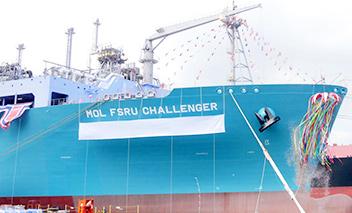
FSRU’s have a somewhat limited capacity compared to traditional terminals. For example the Korean FRSU the Challenger with a storage capacity of 263,000 cubic meters lacks in capacity when compared with traditional LNG terminals like the Arun LNG Plant, a medium sized LNG terminal in Indonesia with a storage capacity of 630,000 cubic meters. FRSU’s cant also be upgraded as easily as Traditional LNG terminals who are only limited by the available land area.


Short Life span:

FRSU generally last anywhere from 10 to 15 years of operations pending proper maintenance and overhauling repairs however this adds to the  overhead operational cost.

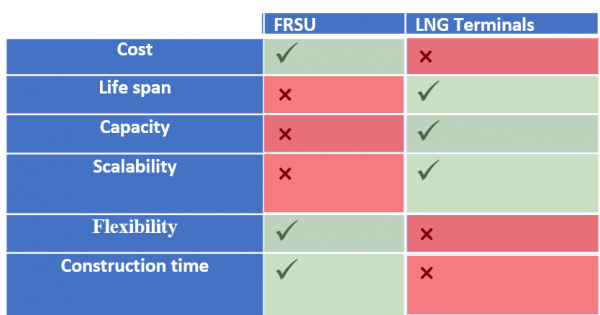
Comparing FRSU and LNG terminals

A quick recap of the benefits of the FRSU and LNG terminals

Conclusion

To say one method is better than the other would do them both injustice. Both have their place and can even be used complementarily. An example can be seen in the US where during harsh winters when demand for Natural Gas peaks , FRSU vessels where used to supplement the supply of LNG normally obtained from shale gas field.  There are several factors that influence the choice to make between adopting LNG or FRSU facilities namely life  span, capacity cost, reliability and market size. When considering large markets such as China , US and South Korea it is more economical to build Terminals when considering the market size however in smaller newer markets that aren’t LNG dependent FRSU vessels may be the viable choice.


KiakiaGas Limited is a leading Gas business in Lagos,Nigeria with expertise in LPG retailing, New Gas Market development, Building of Gas Plants and Gas strategy advisory.
If you need a partner with hands-on local expertise in the Nigerian Gas space or any of our bespoke solutions/services, write us at gaspreneur@kiakiagas.com or call/Whatsapp: +2348085269328

FLOATING STORAGE AND REGASIFICATION UNITS: AN EMERGING MODEL

Submitted by kiakiagas on

The last three years saw a general decline in the Floating Storage and Regasification Unit (FSRU) sector. These years have seen a change in the pervading business model, with innovative ideas being actualised. The reasons and factors behind this new trend have not been well understood by all.

In a previous  article, Floating Storage and Regasification Units (FSRUs), the trade of Liquefied Natural Gas (LNG) was examined, with a specific focus on FSRUs, which is becoming more commonly used in transporting LNG as well as regasifying LNG into natural gas. This article picks up from the previously mentioned article, with a focus on the current market trends between 2017 and 2019.


Between 2017 and 2019, the number of FSRUs in operating as terminals increased by only one unit, although there was growth in other aspects of the industry. Different countries have also begun (or continued, as the case may be) working towards having FSRUs operations as a preferred model. There has also been the introduction of the mini-FSRU, showing the industry is still going through various forms of innovations. Some nations discontinued FSRU projects due to reasons such as increased production from their gas fields.


Changes in the FSRU Sector between 2017 and 2019

Vessels in Operation

In 2017, there were 26 FSRU vessels in operation, with 23 functioning as terminals while the other three functioned as LNG tankers. By 2019, the number of units operating as terminals had increased to 24, while those operating as LNG tankers had grown to 10. This gives a total of 8 FSRUs added to the number, although the distribution was uneven. The 16 years between 2001 and 2016 produced 26 FSRUs while the three years between 2017 and 2019 produced an additional 8. The three year period from 2015 to 2017 saw a the highest growth rate of FRSUs with 15 FSRUs produced within that period. . This shows the production rate has reduced in the past couple of years.

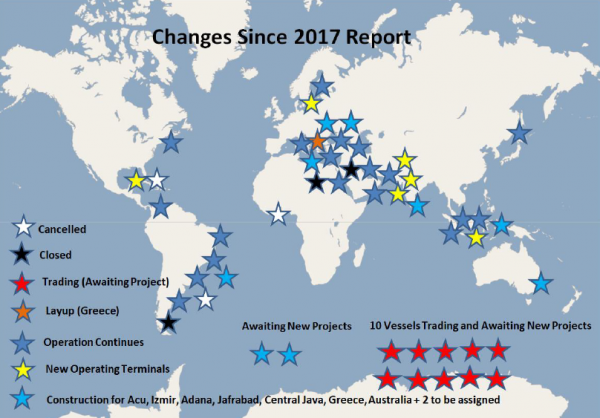
A notable occurrence in the period under consideration is the cancellation of three projects, as well as the closure of three terminals, while six new terminals were opened. The cancelled FSRU projects were in Puerto Rico, Uruguay and Ghana. Ghana had already begun construction of the FSRU-based terminal in Tema. Operations were due to commence by mid-2020 and gas was to be supplied by Gazprom.  The construction of the terminal has been suspended because Ghana discovered gas fields, increasing their domestic supply capacity. Ghana can meet short- and mid-term local gas demand; hence it deemed the construction of the FSRU-based terminal unnecessary and a moratorium has been placed on future LNG projects.

FSRUs have flexible usage, such that they could function as a terminal, just a gas carrier or a power generation platform. This flexible usage is the reason why information provided about FSRUs might not be accurate in a few months, as an FSRU used as a terminal could be leased out as a gas carrier alone. FSRU usage is based on demand. To this end, the drop in demand for LNG for power generation, and gas imports from Bolivia has led several FSRUs to depart from South America to new projects. Fifteen FSRUs are to continue operating in the same location.

There are currently 34 FSRU vessels available. The lack of corresponding terminal projects has led to an oversupply of FSRUs, with ten vessels now operating as LNG tankers (i.e. operating in back-up mode). These make up almost 30% of the FSRU fleet. This oversupply might be short-lived as new FSRU markets are emerging in Australia and Germany. 


Figure 1. Changes in FSRU Sector Between 2017 and 2019.

Source: Oxford Institute for Energy Studies. Floating LNG Update – Liquefaction and Import Terminals


Business Model

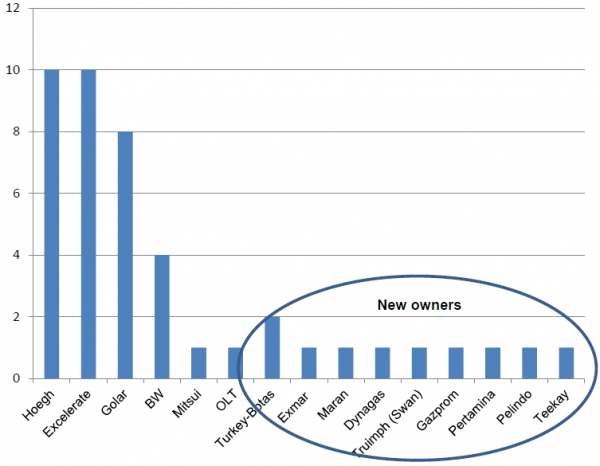
A major emerging trend noticed is that energy companies are now outrightly purchasing their FSRU, rather than leasing from the shipping companies. The traditional leasing companies, such as Golar LNG, and Hoegh, have increased their FSRU fleet size from 22 to 28, yet most of them are used as LNG tankers – yielding lower rates-  because they haven’t been many terminal projects requiring them. These companies increased their fleet size on a prospective basis, but it has not paid out so far, as vessels on tanker service earn $80,000/day, whereas those on terminal services receive $120,000/day. To this end, it is not likely that these companies will order new vessels until the currently underutilized vessels are assigned to a terminal project. The leasing companies have only two vessels assigned to terminal projects; one in Port Acu, Brazil and the other in one of two terminals (Crib Point or Port Kembla) in Australia.

One reason the new companies are now directly purchasing FSRUs, rather than leasing, could be the fact that they plan to operate these vessels for such a long period that leasing is unnecessarily expensive. An example of the switch from leasing to purchase is found in the Lithuanian Governments decision to purchase the Hoegh owned FSRU, called The Independent, in 2018. Lithuania has been leasing the vessel but decided to purchase The Independent after 2024 (it is currently under a ten-year lease agreement) after a national economic analysis was conducted. Buying the vessel will cut annual operating costs by £20 million. The shift towards ownership, at the expense of leasing, is a factor causing an oversupply of FSRUs.  In total, there are thirty-three vessels owned by the leasing companies, while nine of the units currently under construction are purchased outright for by the energy companies.

The cost of constructing (or converting a gas carrier into an) FSRU has not changed. The order value of an FSRU still ranges from $250 - $300 million.  The industry design standard is 174,000 cubic metres tanker, with 1 billion cubic feet per day (1 bcf/day) gasification capacity.


Figure 2. FSRU Vessel Owners

Source: Oxford Institute for Energy Studies. Floating LNG Update – Liquefaction and Import Terminals


The Mini FSRU

In November 2018, Indonesia received a 26,000 cubic metres capacity FSRU, called Karunla Dewata, built by the PaxOcean Group, in China. This is the world’s first mini-FSRU, and it operates in Bali, Indonesia. The mini FSRU will regasify 50 million standard cubic feet per day (SCF/d) of LNG, and it will be used to supply energy to neglected regions in Indonesia. Indonesia is relatively new to importing LNG; it has been seeking out sources of energy and the FSRU model offers several benefits to Indonesia. The vessel was designed to carry four Type C tanks, each with 6,500 cubic meters capacity. The possibility of constructing a mini-FSRU opens up more possibilities to countries seeking LNG, especially for small island communities. These small vessels can power 200 – 300 MW power stations. With time, more information would be made available on mini-FSRUs as more countries adopt this vessel model.

Outlook

The FSRU market is expected to grow steadily but at a slower rate than the high growth period of 2015 – 2017. Construction of vessels will reduce, although new FSRU markets are opening in Australia, Europe and Asia. Construction of vessels will increase once the current surplus of vessels finds assignments. Construction of FSRU vessels might become strictly based on order rather than on a prospective basis, to avoid a repeat of the current vessel surplus situation. Lastly, the mini-FSRU sector is expected to grow considerably shortly as it aids the switch from oil to gas and numerous small islands in the world need to make this switch.


KiakiaGas Limited is a leading Gas business in Lagos,Nigeria with expertise in LPG retailing, New Gas Market development, Building of Gas Plants and Gas strategy advisory.
If you need a partner with hands-on local expertise in the Nigerian Gas space or any of our bespoke solutions/services, write us at gaspreneur@kiakiagas.com or call/Whatsapp: +2348085269328 


FLOATING STORAGE AND REGASIFICATION UNIT (FSRU)

Submitted by kiakiagas on

The global demand for natural gas was 3.9 trillion cubic metres (tcm) in 2018, a 4.9% increase from 2017. OECD (Organization for Economic Development) countries experienced a 4.5% increase in demand for natural gas, while non-OECD countries experienced a 5.3% increase. Global gas trade surpassed the 1.2 tcm threshold in 2018. This growth can be attributed to the increase in global Liquefied Natural Gas (LNG) trade which grew by 7.3% in 2018. The prices of LNG also continued the trend of convergence, while import prices for the USA, EU, Japan and Korea all increased.


The exact composition of natural gas mostly depends on the source. Natural gas is made up of 60 – 90% methane, about 20% ethane, propane, butane and trace amounts of other gases, such as Nitrogen. When composition is almost pure methane, it is known as ‘dry’ natural gas. The presence of heavier hydrocarbons makes it ‘wet’. The heavier hydrocarbons removed in order to increase the methane presence in natural gas are referred to as Natural Gas Liquids (NGLs).


Natural Gas Transportation

Most of the world’s natural gas is delivered through pipelines, with a large network of pipelines delivering natural gas to processing facilities, as well as end consumers. Natural gas is compressed to enable pipeline transportation. The pipeline networks can be categorised into three:

  1. Gathering pipeline systems, which transport raw natural gas to the processing facilities.
  2. Intrastate/interstate pipelines, which basically transport natural gas from the processing facility to the centres of consumption.
  3. Distribution pipelines, which deliver gas to the end consumers.


In the situation natural gas cannot be delivered on land, it can be liquefied and transported by ships. Natural gas is condensed to a liquid by cooling it to -260 °F (-162°c). Liquefied Natural Gas (LNG) occupies 600 times less volume than natural gas at atmospheric temperature; this and the liquid state enables easy storage and its transport by road, rail or ship (using methane carriers). LNG is shipped from terminals and the shipment is received at terminals, where it is regasified. There are several types of LNG terminals, differing based on technology used:

  1. Onshore LNG terminal: LNG is offloaded from the methane carriers into tanks in the port, after which it is regasified then transmitted into the gas distribution system.
  2. Gravity-based offshore LNG terminal: the terminal and the regasification plant are located on an artificial island. The natural gas is then transmitted to the onshore distribution network through underwater pipes.
  3. Regasification methane carriers: the regasification facility is on the LNG carrier, and releases natural gas directly to the onshore transmission network through underwater pipes.
  4. Offshore storage and regasification terminal: a floating platform or vessel with LNG storage and regasification facilities on board. It is also known as the Floating Storage and Regasification Unit. LNG pumped from the methane carrier to this terminal is regasified, and then transferred to the onshore gas transmission network. This unit is the focus of this article.  


The Floating Storage and Regasification Unit (FSRU)

The FSRU can be classified either as a (special kind of) ship or an offshore installation. Most FSRUs are classified as ships to enable flexibility in operating them either as a FSRU or an LNG tanker. FSRUs are to be located close to the coast, inside a port or a protected area. FSRUs can be equipped in two ways:

  1. they can be installed as a separate unit aboard the LNG carrier itself, or
  2. an old gas carrier can be converted into an independent unit and placed in a particular destination as an offshore installation.

The FSRU business began in 2001, with the first FSRU built for the Gulf Gateway Project. By 2017, 26 FSRUs were in operation, with 23 operating as terminals and 3 as LNG terminals. The International Gas Union stated that FSRUs had a total regasification capacity of 84 MTPA (million tonnes per annum) based on estimates. The number of FSRUs have grown rapidly due to their relatively low capital cost, commercial flexibility, faster schedule and reusable asset feature. Land based terminals on the other hand are regarded as sunk cost.


A 2017 report stated that the cost of a new FSRU was 60% of an onshore terminal and could be delivered at half the time. New projects cost $240 - $300 million and could be constructed in 2-3 years, while FSRUs based on LNG tanker conversions cost $105 - $130 million and take 18 months to be converted (due to long delivery times of equipment, rather than the shipyard conversion itself). An example of a fast tracked project was the second Egypt FSRU which was completed in 5 months.

Comparison Between On-shore Terminals and FSRUs

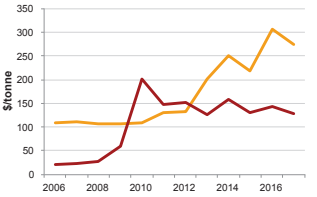
The cost of an onshore regasification has been on the rise since 2012, while that of FSRUs has remained relatively steady. The average unit cost of onshore regasification capacity that came online in 2017 was $274/tonne, while that of FSRUs was $129/tonne. It should be noted that the operating costs of FSRUs are higher than that of onshore terminals due to vessel charters associated with the project.


Figure 1. Regasification Costs Based on Project Start Dates

Source: International Gas Union. World Gas LNG Report, 2018.


Additionally, some FSRUs are used for power generation, by independent electricity companies which plan to serve developing countries. Many FSRU companies now generate power on the FSRU or on an adjacent barge, to provide a one-stop shop solution.

FSRUs consist of the following essential components:

  1. Tanks: the ‘S’ in FSRU denotes storage of the LNG, which is done in either a membrane or a spherical moss tank. The membrane tank provides better storage capacity for a ship of the same size.
  2. Regasification unit: this represents the ‘R’ in FSRU. This equipment converts the liquefied natural gas (at -162°c) back into natural gas at atmospheric temperatures.
  3. LNG Unloading Arms or Hoses: the tanker supplying LNG to the FSRU transfers the cargo either through an unloading arm fixed in the FSRU or through the use of cryogenic hoses. The arms are quicker, and easier to operate than the hoses; they also boil gas less than the hoses.      
  4. Heating medium: the regasification occurs through a heat exchange medium, where sea water is used as a heat source for warming the LNG in primary receiving terminals (except in terminals located in cold regions). Strict environmental regulations monitor this process. It is known as the open loop system. The closed loop system involves circulating pre-heated fresh water/glycol mixture.
  5. Boil-Off-Gas (BOG) Management: excess BOG is released in the FSRU (or piping ) during the loading process. This gas needs to be managed to prevent over pressurisation of the tanks. Loading or spray lines are used to reliquify the boiling gas and transfer it back to the tank.
  6. Gas Export Arms or Hoses: most inshore FSRUs export the gas via high-pressure export arms. Hoses could also be used for this job.


In 2018, the Lagos State government was in talks with Golar LNG Limited to acquire an FSRU, to provide energy security in case the gas pipeline from Delta is shut down for any reason.

It is possible that with time, the FSRUs will evolve to provide other important services and it is paramount that such innovation is used to its greatest advantage.

The number of FSRUs in operation is expected to increase as demand also increases. FSRUs might be used by some nations to act as gas terminals while onshore terminals are constructed. Other nations would use FSRUs to generate electricity. Generally, adoption of FSRUs is expected to increase over the years such that the International Gas Union (IGU) expects 50 FSRUs in operation by 2025.


The Nigerian LPG Market is the next success story of the Global LPG industry, if you need a partner with a global perspective and local expertise in the Nigerian and African space, kindly book for a free session with our team of experts to help you http://www.kiakiagas.com/book-session or write us an email at advisory@kiakiagas.com or Whatsapp: +2348085269328


UNDERSTANDING PRESENT AND POSSIBLE FUTURE DIMENSIONS OF THE MARKET FOR NATURAL GAS AS A TRANSPORT FUEL GLOBALLY AND IN KEY REGIONAL/NATIONAL MARKETS

Submitted by kiakiagas on

Introduction

Since the invention of the internal combustion engine in the 1800’s, the word transportation has been synonymous with one thing - “Oil”. Without it, modern transportation as we know it would not be possible, sectors such as aviation, aerospace, automobiles, shipping needless to say would look nothing like they do today. However with the looming environmental/energy crisis coupled with an ever increasing population size, several voices have been clamouring for a redefinition of the transport sector by seeking for alternative fuel sources.

Why Natural Gas

Even though natural gas is considered a fossil fuel it’s currently the cleanest fuel and most environmentally friendly fuel present today. Research shows that combustion of Liquefied Natural Gas (LNG) releases 6% to 11% CO2 less emissions than petroleum, 50% less than coal, and 20% less than diesel and while the price varies from region to region the general consensus is that natural gas is cheaper and delivers more energy per weight compared to other fossil fuels. Commercially available forms of natural gas include CNG(compressed natural gas) which is obtained by subjecting natural gas to extreme pressures of up to 3,600 psi, LNG(liquefied natural gas ) obtained by reducing the temperature to very low temperature of up to -1600c or -220 F, each with its own benefits and modes of storage. Compressed Natural Gas is the cheaper of the two fuels but occupies more space and weight than LNG..It is important to note that globally world consumption of natural gas is projected to more than doubles, from about 12 Trillion Cubic Feet in 2012 to 29 Trillion Cubic Feet in 2040 according to the US Energy Information Administration International Energy Outlook 2016 report. We now look at transportation fuelled by natural gas in different dimensions. 

Energy Content of some combustibles (in MJ/Kg)


In Private road vehicles

These refer to vehicles owned by individuals and are predominantly powered by Internal combustion engines (ICE’s) mostly using petrol or diesel. While recently the use of Electric and hybrid powered vehicles have recently been on the increase, the primary competitor remains petrol engines. Although Gas powered engines are also ICEs and operate the same way, the challenge lies in the cost of adapting existing vehicles to consume CNG or LNG which requires special storage. In the case of LNG the tank would have to provide the very low temperatures required and with CNG maintain and preserve pressure, the size, weight and complexity of the required tanks means additional overall costs to the consumer, bearing in mind that the primary objective for private owner is to maximise available space while minimizing cost. In addition strict safety regulations make the designing, use and even research costs further increase. Furthermore private vehicular use would require large investments in terminal and fuelling infrastructure such as LCNG (Liquefied & compressed natural gas) refuel stations which would also need underling supplychain infrastructure to be built which further increases the cost of adoption. Some countries such as In Italy due to its wide pipeline distribution has about 780,000 natural gas vehicles (According to a 2013 research paper “LNG as vehicle fuel and the problem of supply: The Italian case study”) of which less private car ownership is virtually non-existent, about 860 refuelling stations which accounts for 30% of European natural gas refuelling stations, this show that for private users adoption may not be impossible but perhaps not viable in the short term for countrieswithout the underlining infrastructure. In Heavy Road Vehicles These refer to large land vehicles such as public busses, trucks and even construction vehicles such as cranes ,Trucks, Compactors etc. which primarily run on diesel which produces more energy, mileage overall efficiency. For these category of vehicles, natural gas is a more viable option as space and weight constraints are reduced and negligible, and the reduced number of refuel stops makes natural gas a betteroption. But most importantly is the fuel saving advantage which according to the Shanghai 2019 LNG conference was $18,154 per 100000 Km for heavyduty trucks compared to diesel and $13,800 according to a 2019 Croatian study. However adoption heavily requires Government regulation and incentives, such as in china where 6.72 million metric tonnes of LNG in 2018 was consumed by the transport sector amounting to 25% of total LNG consumption. As of 2018 in China there were 343,933 LNG vehicles of which 236,265 are LNG Heavy duty trucks and the remaining107,668 where LNG buses and coaches with about 2552 LNG refuelling stations across the country, compared to Europe, where there are only4650 LNG trucks in Europe and 153 LNG refuelling stations by September 2018. This was possible due to policies such as deregulation ofthe LNG markets, massive investment in infrastructure and environmental friendly regulations such as the Three-Year Action Plan for Blue Sky issued in 2018.   In Aviation As the world becomes more and more a global village more and more attention is being paid to the fastest means of transportationAir travel. This has contributed to about 2.5% of total greenhouse gas emissions worldwide as the IATA World Air Transport Statistics (2019 WATS)confirms that 4.4 billion passengers flew in 2018 and a 10% increase in 2019 with about 61.2 million tons of cargo being moved by air.Air planes are usually fuelled by mixtures of Kerosene which are referred to as Jet fuel with major research efforts to replace this with alternate fuels such as Biofuels, Electric energy and even Natural Gas. Historically LNG has been used in the Soviet Union as far back as 1988 by theTu-155 but was discontinued after the fall of the Union, today however the challenge for commercial flights lies in the space and weight of thestorage tank as well as the low temperature requirement. Air plane fuel already occupies about 20-25% of the take-off weight and increases based on the distance to be flown, advances in technology such as super conductors and material science has convinced several parties that natural gas couldbe the next Jet fuel. For instance Boeing announced in 2012 a program to develop planes fuelled by cryogenically frozen LNG and an AIR-LNG project was sponsored by Air Bus and the German Government. In Rail transport Due to the lower costs and emissions of natural gas several countries are working to provide gas powered trains, with estimates of 20-40% reduction in fuel costs and carbon emissions in comparison with diesel engines. Proponents of LNG technology argue that gas powered locomotives eliminate harmful emissions, greatly improve air quality, while the benefits of electric trains greatly depends on the sourceoftheir generated energy which they argue is not always as green. The Florida East Coast Railway (FECR) introduced its first LNG-powered locomotive in 2015 and had converted all 24 of its locomotives to dual fuel fuelled engines by 2017. In Europe, a consortium of European companies commissioned an LNG project to develop LNG-fuelled cargo vessels and locomotives, with The European Commission providing €16.5mn of the €33mn total project costs. Similarly, the Indian Railway Corporation has also announced plans to develop its own gas- powered locomotives and even Russia has signed a contract to deploy 24 LNG fuelled trains by 2024 and plans to start operations by 2022. In Shipping Maritime transport forms the main axis of international exchange, carrying ~90% of total traded tonnage globally with an estimated trade volume of over 10 billion tons. However according to the international Maritime Organisation this industry also accounts for nearly 33% of all traderelated emissions from fossil fuel combustion, and 2%- 3% of global greenhouse emissions which is predicted to increase up to 17% with continued increase in global trade via maritime transportation if left unchecked. Sea vessels use several fuel types which include mostly diesel, LNG (predominantly preferred over CNG due to higher energy per volume densities of LNG over CNG), Hydrogen fuel, Electric powered ships and even Nuclear energy. LNG fuel engines have been in use for many years according to the International Gas Union as at 2005 there were a total of 203 LNG fuelled ships in operation by 2018 there were 525. One reason for this is that the marine industry is uniquely positioned to be easily fuelled at port with the use of LNG bunkering at seaports, where LNG is provided to the ships for its own use and consumption, Currently LNG fuel bunkering is available at seven EU sea ports and several ports in Norway, Singapore, China and other Countries. Another major driver is Government policy and regulations such as the EU Funding Support (Regulation No 1315/2013) that Specifies that LNG projects are eligible for funding from the Connection Europe Facility (CEF) Fund with 17 sources to co-fund LNG infrastructure development in the EU. Another policy is the Alternative Fuels Directive (Directive 2014/94/EU) which includes creating a network of LNG fuelling points in major ports to facilitate LNG bunkering in Coastal ports by end of 2025 and Inland ports by 2030.Japan with its extensive infrastructure for LNG is positioning the Port of Yokohama as a model for developing LNG bunkering capabilities and is also coordinating its activities with Singapore which is one of the main global bunkering hubs, and the second largest container port in the world.        Growth Outlook and Prospects for Africa So what does this all mean for Africa, well Africa was thought to house about 7% of global reserves from the top four countries namely Libya, Egypt, Nigeria and Algeria, however recent discoveries of gas deposits in Mozambique, Tanzania, Senegal and Mauritania have revealed a total of 200 Tcf of gas reserves, enough to meet close to 70% of global demand for the next two decades. According to the African Energy Outlook 2020 report, there are currently nine oil projects under construction across the region with an investment total of $60.4 billion and in light of the recent discoveries, the East African countries could see $60 billion worth of investments. However it’s important to note that as far as consumption is concerned the figures aren’t encouraging while Sub Saharan Africa supplied 12% of global LNG production in 2018(over 250 Million Tons) approximately 70% of African Consumption was accounted for by Egypt and Algeria alone. According to the International Gas Union 2019 Report, no African Country is currently investing in Natural Gas as fuel for Heavy duty vehicles. The focus lies rather on increasing production, processing and bunkering facilities such as the Seventh Train expansion project at the Nigerian LNG facility in Bonny Island to increase production from 22 million tonnes per annum (Mtpa) to 30Mtpa per annum last year December and the planned $20 billion Natural gas liquefaction and export terminal in Anadarko Mozambique, the largest single LNG project ever sanctioned in Africa. On the marine scene however bunkering stations for LNG vessels are being built for instance in South Africa, LNG bunkering services have been licensed to begin in the Algoa bay this year by an 8,000 tonne LNG bunker barge, the largest built African vessel by weight. Egypt Also seeks to start LPG bunkering at the Damietta port but was halted due to complications legal and domestic issues. The path to LNG use for transportation on the African Continent is long but not impossible. The first hurdle being, how to increase the underlining local production and processing infrastructure something all governments are striving to do with plans such as Nigerian Gas Policy of 2017 developed by the Ministry of petroleum resources or Egypt’s Sustainable Development Strategy (SDS) Vision 2030 with regulations like a policy where no more than a third of the national gas reserves can be exported at any time to ensure domestic demands are met.   Conclusion That Natural Gas is a visible alternative transport fuel across board isn’t in doubt. However it is not a viable option in every sphere. Scientific evidence shows that the bigger the vehicle the more viable it becomes. For personal vehicles it remains a Niche market and for aviation mostly a theoretical one at this point. However for Heavy road and Marine vehicles, Natural Gas has been established as a dominant option for fuel and is rapidly growing especially in the EU, Americas and Asian markets such as China and little patronage from African Countries such as South Africa and Egypt. It is interesting to note that the more natural gas is made available the faster the rate of adoption as seen in china, Simply put as more investments are made in supply the rational choice is adoption for safer, cheaper and greener transportation.     Thank you.
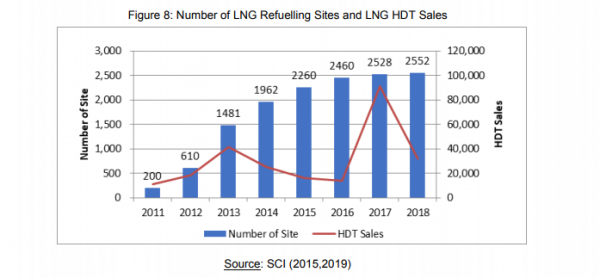


The Nigerian LPG Market is the next success story of the Global LPG industry, if you need a partner with a global perspective and local expertise in the Nigerian and African space, kindly book for a free session with our team of experts to help you http://www.kiakiagas.com/book-session Or write us an email at advisory@kiakiagas.com or Whatsapp: +4915210247560, +2348085269328
Subscribe to LNG